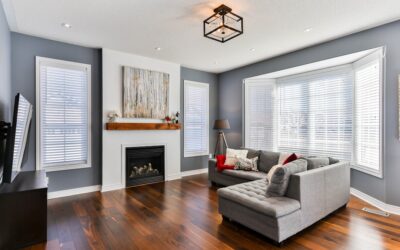
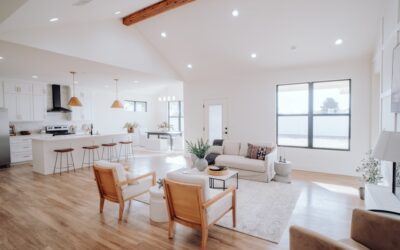
Falls are the leading cause of injury in the home, and the floor is usually the culprit. Non slippery flooring is engineered to keep your footing on wet, soapy, or greasy surfaces, which makes it essential in bathrooms, kitchens, entryways, and any home with elderly residents or young children. Choosing it well means looking past how a floor feels in a dry showroom and understanding the slip-resistance ratings that actually predict safety when the surface gets wet.
How Slip Resistance Is Measured
The key metric is the coefficient of friction (COF), and more specifically the dynamic coefficient of friction (DCOF) measured wet. The ANSI A137.1 standard sets a minimum wet DCOF of 0.42 for level interior floors expected to get wet. Higher is safer. For high-risk wet areas like showers and pool surrounds, look for textured products well above that threshold, ideally 0.60 or more.
Some products also carry an R-rating (R9 to R13) from European ramp testing, where R11 and above indicates strong slip resistance suitable for wet commercial use. When a manufacturer publishes these numbers, use them; when they do not, treat the product as unverified for wet safety.
The Best Non-Slip Materials
- Textured porcelain tile: Matte, structured, or grip-finish porcelain with a DCOF above 0.42. Durable and waterproof. Material $2 to $8 per square foot.
- Slip-resistant luxury vinyl: LVP with an embossed, textured wear layer and slip-rated coating. Warm and quiet underfoot. $2 to $6 per square foot.
- Rubber flooring: Naturally high-grip even when wet, ideal for gyms, laundry rooms, and elderly-safe spaces. $3 to $9 per square foot.
- Cork: Soft, warm, and grippy with a textured finish; also cushions falls. $3 to $8 per square foot.
- Small-format tile with more grout: Mosaic and penny tile add traction in showers because grout lines provide grip.
Materials to Avoid in Wet Areas
Polished porcelain, glazed ceramic with a glossy finish, polished natural stone like marble and travertine, and high-gloss hardwood or laminate all become dangerously slick when wet. They can still work in dry living spaces, but keep them out of bathrooms, kitchens near sinks, and entries where rain and snow track in.
Best Choices for Elderly-Safe Homes
For aging-in-place, prioritize materials that combine traction with a little give and warmth. Slip-rated luxury vinyl and cork lead here, because they cushion the impact if a fall does happen and stay warm and comfortable for bare or socked feet. In bathrooms, pair textured tile with a curbless, slip-rated shower base and add grab bars. Matte finishes hide soap film that can otherwise create slick patches.
The Pros and Cons
The upside is obvious: dramatically reduced fall risk, peace of mind, and compliance with safety standards in rentals and care settings. Many non-slip floors are also waterproof and easy to clean, a practical bonus in wet zones.
The trade-offs are mostly about cleaning and comfort. Textured surfaces trap more dirt and soap scum in their micro-pores, so they need more scrubbing to stay clean. Heavily textured tile can feel rough on bare feet, and very aggressive grip finishes are harder to mop. Some slip-resistant treatments and coatings also wear over time and need periodic reapplication.
Boosting Traction on Existing Floors
If you cannot replace the floor, you have options. Anti-slip treatments etch a microscopic texture into tile and stone to raise wet DCOF without changing appearance much. Non-slip strips, textured mats, and bath rugs with rubber backing add traction in targeted spots. A quality entry mat captures water before it spreads onto a slick floor.
Anti-slip etching treatments are surprisingly affordable and effective, typically costing $1 to $3 per square foot in DIY kits and raising the wet DCOF of a glossy tile well above the 0.42 threshold without changing how the floor looks day to day. They work by opening microscopic pores in the glaze or stone that create suction and grip when wet. The trade-off is that these treatments wear over time and need reapplication every few years in high-traffic wet zones, and they should be tested on an inconspicuous spot first since results vary by material. For a rental or a floor you are not ready to replace, they are the fastest, cheapest way to cut fall risk.
Best Non-Slip Choices Room by Room
Different rooms pose different risks, so tailor the material. In bathrooms, use small-format textured porcelain or mosaic in the shower (more grout equals more grip) and a matte slip-rated tile or vinyl on the main floor. In kitchens, where grease and water combine, choose textured porcelain or a slip-rated luxury vinyl with at least a 0.42 wet DCOF. Entryways and mudrooms benefit from textured tile or rubber that handles tracked-in rain and snow, paired with a quality absorbent mat.
For laundry rooms and garages, rubber and slip-rated vinyl excel. In living areas and bedrooms, slip risk is lower, so you can prioritize comfort with cork or textured luxury vinyl. Pool surrounds and outdoor steps need the most aggressive grip, ideally R11 or R12 structured porcelain or specialized anti-slip coatings.
Common Mistakes to Avoid
The most frequent error is buying for looks alone. A glossy polished porcelain or honed marble can look stunning dry and turn treacherous the instant it gets wet. Another mistake is assuming any “matte” finish is slip-resistant; matte appearance and measured wet DCOF are not the same thing, so always check the published number. People also over-rely on rugs and mats, which can themselves slide if they lack rubber backing, creating a new hazard.
Finally, do not forget maintenance. Soap scum, floor polish buildup, and greasy residue can turn a properly slip-rated floor slick. Clean textured floors regularly with the right products and avoid film-forming polishes that smooth over the very texture providing your traction.
How to Choose
Match the product to the risk: the wetter the room and the more vulnerable the occupants, the higher the DCOF you should demand. Verify the published wet DCOF (aim for 0.42 minimum, 0.60-plus for showers), favor matte and textured finishes, and add cushioning materials where falls are most likely. Done right, non slippery flooring protects your household without sacrificing the look you want, and it is one of the highest-value safety upgrades you can make to a home.
Prefer to explore on your own?
See how new flooring looks in your actual room in seconds — free, no signup.
Try the free Floor Studio →