Bathtub dimensions vary more than most homeowners expect, and the wrong size in a renovation either wastes space or leaves you with a tub too short for an adult to stretch out. The normal bathtub size in US homes is a 60-inch long by 30-inch wide alcove tub with a water depth of 14 to 16 inches, but freestanding tubs, soaking tubs, and corner units run dramatically larger. Picking the right size depends on bathroom footprint, plumbing rough-in, and how you actually use the tub. This guide breaks down the dimensions you need.
Part of our Bathroom Remodeling & Flooring guide — explore the full guide →
Standard Alcove Tubs: The 60×30 Default
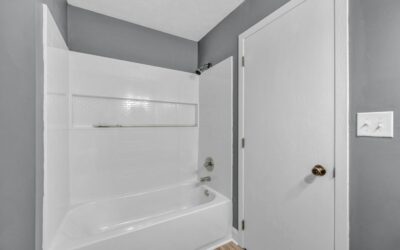
The classic American alcove tub measures 60 inches long, 30 inches wide, and 14 to 17 inches deep on the interior. This size dominates because it fits the standard 5-foot bathroom alcove framed in most homes built since the 1950s. The American Standard Cambridge, Kohler Villager, and Bootz Aloha all hit these dimensions and cost $250 to $450 in fiberglass or steel.
The 60×30 alcove holds about 35 to 45 gallons of water with a person inside. Water capacity matters for water heater sizing. A 40-gallon residential water heater handles one bath at a time, but two consecutive baths require a 50-gallon unit or a tankless heater. Check the gallon rating on any tub before you assume your existing water heater can fill it.
Larger Soaking Tubs for Comfort
Soaking tubs run 66 to 72 inches long with 17 to 22 inches of water depth. These dimensions let an average adult fully submerge to the shoulders, which standard alcove tubs cannot do. The Kohler Underscore 66×36 and the American Standard Cadet 72×36 both fit in a slightly expanded alcove and cost $700 to $1,400 in acrylic.
Japanese-style ofuro soaking tubs go even deeper, with 24 to 30 inches of water depth in a more compact 48×48 inch footprint. These suit small bathrooms where length is limited but depth can be added. Acrylic ofuro tubs from manufacturers like Aquatica run $1,800 to $3,500 and require taller plumbing rough-ins, so plan during framing.
Freestanding Tubs and Their Real Footprint
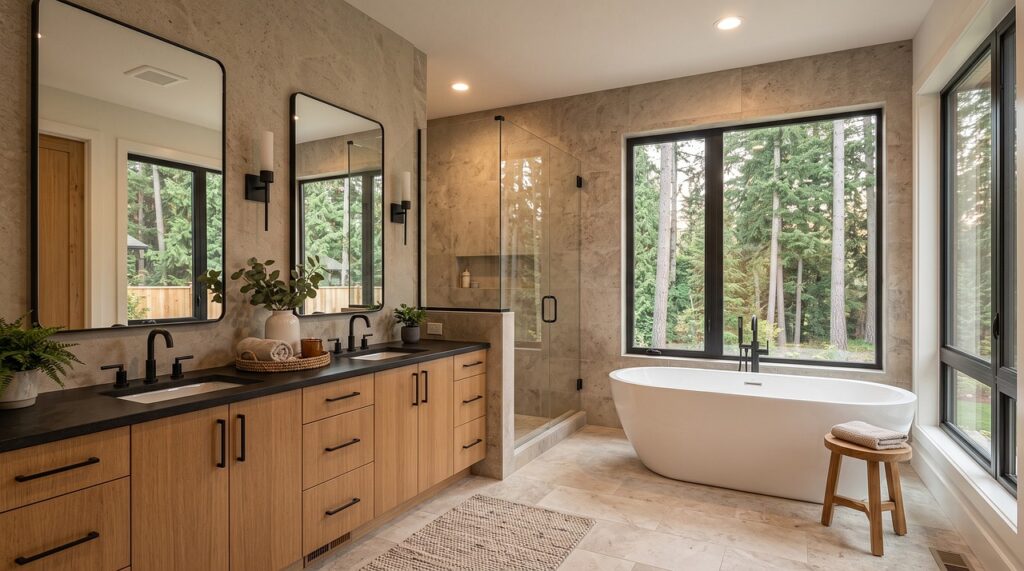
Freestanding tubs like the Kohler Iron Works Historic clawfoot or the Signature Hardware Wyndham acrylic measure 60 to 72 inches long by 30 to 36 inches wide, but their actual installed footprint includes a 6 to 12 inch buffer around the tub for cleaning access. A 66-inch freestanding tub realistically needs a 78-inch clear zone for proper placement.
Freestanding tubs also require freestanding tub fillers, which mount in the floor on a 6-inch riser. These tub fillers cost $400 to $1,500 and need plumbing rough-in before the finished floor goes in. Cast iron freestanding tubs weigh 350 to 500 pounds empty and add another 400 pounds when full, so verify floor joists are sized for the load. Some second-floor installs need joist reinforcement.
Corner Tubs and Drop-In Tub Dimensions
Corner tubs come in 60×60 inch up to 72×72 inch sizes, with the actual bathing well measuring 48 to 60 inches diagonally. These suit master baths with 100 sq ft or more, but they fill a huge corner that could otherwise hold a vanity, linen closet, or walk-in shower. Corner tubs hold 60 to 90 gallons, requiring a 75-gallon water heater or larger.
Drop-in tubs install into a built deck and can be any size the deck supports, from compact 60×32 inch units up to 72×42 inch luxury soakers. Drop-in tubs cost less than freestanding tubs in raw materials but the deck framing, tile, and surround add $1,500 to $4,000 to total installation cost. Plan the deck to put the rim 18 to 19 inches off the finished floor for easy entry without becoming a tripping hazard.
Walk-In Tubs for Aging in Place
Walk-in tubs measure 30 to 36 inches wide by 50 to 60 inches long with a side door that swings inward or outward. The user steps in, closes the door, and the tub fills around them. Common manufacturers include American Standard, Kohler Walk-In Bath, and Safe Step. Pricing runs $5,000 to $12,000 installed, significantly more than standard tubs.
Walk-in tubs use the same 60×32 inch alcove as a standard tub, making retrofit possible without expanding the room. The deeper bathing well, typically 38 inches, holds 50 to 70 gallons. Fill times run 6 to 10 minutes, which is slow for someone sitting in a cold tub waiting. Fast-fill walk-ins with 70 to 90 GPM fillers shorten this to 3 to 5 minutes but require larger water supply lines.
Plumbing Rough-In Dimensions to Know
Tub drain rough-in measures from the back wall to the centerline of the drain. Standard alcove tubs use a 14-inch rough-in for the drain and a 12-inch rough-in for the overflow on the side, both from the end wall of the alcove. Freestanding tubs route the drain through the floor, typically at the centerline of the tub footprint, requiring careful floor framing planning.
Tub filler valves on alcove tubs rough in at 28 inches above the finished floor for the spout and 36 inches for the handheld shower diverter. Freestanding tub fillers rise from the floor at heights that depend on the specific filler model, ranging from 36 to 48 inches above finished floor. Read manufacturer rough-in templates carefully before plumbing the supply lines.
Choosing the Right Normal Bathtub Size for Your Bathroom
For most bathrooms under 60 sq ft, the standard 60×30 alcove tub remains the right choice. It maximizes floor space for the vanity, toilet, and circulation. Stepping up to a 66-inch tub gains comfort for taller users with minimal floor space penalty if the bathroom layout supports it.
For master baths over 100 sq ft, a 66 to 72 inch freestanding or drop-in soaking tub provides spa-like comfort without overwhelming the room. Skip corner tubs unless the bathroom exceeds 150 sq ft because they consume disproportionate floor area. Walk-in tubs make sense for aging-in-place but commit a significant budget, so weigh whether a curbless walk-in shower with a built-in bench might serve better at lower cost. The right normal bathtub size matches the room and the user, not just the marketing photo.