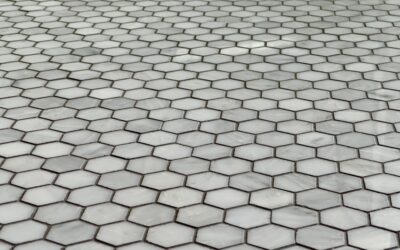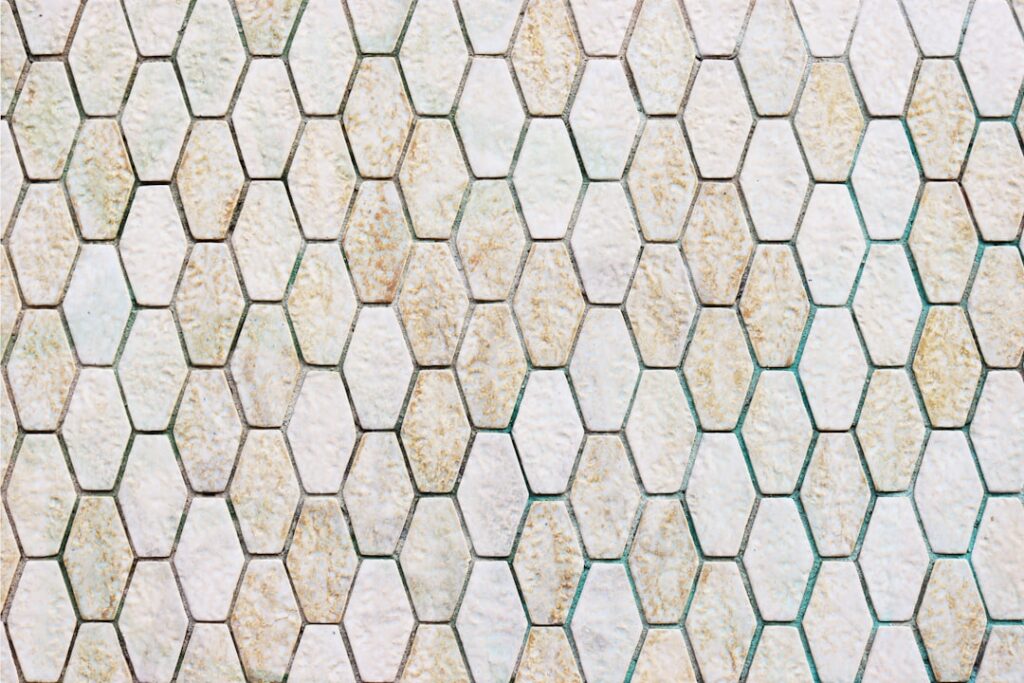
Straight subway tile has ruled kitchen walls for a decade, but homeowners hungry for something with more character are rediscovering an old classic. An octagon tile backsplash trades the predictable grid for eight-sided shapes and crisp geometry, instantly giving a wall depth and personality. The look ranges from Victorian and farmhouse to sleek and modern depending on the color and grout you choose. If you want a backsplash that feels custom without a custom price, octagons deserve a serious look.
Part of our Kitchen Remodeling guide — explore the full guide →
Why Octagon Tile Works So Well
The appeal comes down to pattern. Octagons rarely stand alone; they interlock with small accent pieces that fill the gaps between them, creating a rhythm the eye enjoys following. That built-in detail reads as thoughtful and high-end even when the tile itself is inexpensive. Because the shape has been used in American homes since the early 1900s, it also carries a timeless, slightly nostalgic quality that pairs beautifully with vintage-inspired kitchens and baths.
Scale is part of the magic too. Smaller 1- to 2-inch octagons on mesh sheets deliver an intricate, mosaic-like texture, while large 4- to 8-inch octagons make a bold, graphic statement. You can lean traditional or contemporary with the exact same shape simply by changing the size, finish, and grout color.
Classic Octagon and Dot Patterns
The most recognizable version is the octagon-and-dot layout, where full octagons are separated by small square “dots” set on point. This pattern defined bathroom and mudroom floors for generations, and it translates gorgeously to a backsplash. Choose a white octagon with a black dot for a crisp, graphic contrast, or reverse it with a dark field and a light accent for drama.
For a softer, more organic take, swap the black dots for a muted sage, dusty blue, or terracotta. These subtle color pops keep the vintage geometry while feeling fresh and current. In a farmhouse kitchen, a cream octagon with a warm gray dot and matching gray grout produces a lived-in, collected look that never feels sterile.
Material Options for an Octagon Tile Backsplash
The shape comes in nearly every material, and each brings a different feel and price point to the wall.
- Porcelain and ceramic: The most affordable and durable choice, usually $4 to $12 per square foot, easy to clean and available in dozens of colors.
- Marble and natural stone: Carrara or honed marble octagons bring luxury and veining, typically $12 to $30 per square foot, but they need sealing.
- Glass: Reflective glass octagons brighten a space and resist stains, running roughly $15 to $40 per square foot.
- Cement: Encaustic cement octagons deliver rich matte color and old-world charm at $15 to $35 per square foot.
For a working backsplash behind a range, glazed porcelain and glass are the most forgiving because they wipe clean and never need resealing. Reserve marble and cement for lower-splatter zones or commit to a good sealer and regular upkeep.
Choosing Color and Grout
Grout is not an afterthought with geometric tile; it is a design decision. A contrasting grout, such as charcoal against white octagons, outlines every shape and celebrates the geometry. A matching grout, like white on white, mutes the pattern and creates a calm, textural surface where the shapes only reveal themselves up close.
If you love the octagon-and-dot look but worry it might feel busy, use a low-contrast grout and let the accent dots do the talking. For a modern kitchen, oversized octagons in a single soft color with tone-on-tone grout feel architectural and restrained. Always buy a sample board and view it in your own lighting before committing, since geometric patterns can look very different in showroom light versus a north-facing kitchen.
Where to Use Octagon Tile
An octagon backsplash shines in more than just the kitchen. Behind a bathroom vanity, a small octagon mosaic adds spa-like texture and pairs naturally with hexagon or penny-round floor tile. In a laundry room or mudroom, a durable porcelain octagon wall hides scuffs and stands up to heavy use. Behind a bar or coffee station, a marble or glass octagon feature reads as a jewel-box detail.
You can also use octagons as an accent rather than the whole wall. Frame a single band of octagon-and-dot tile between plain field tile behind the range to create a focal point without overwhelming the room or the budget. This approach keeps costs down while still delivering that custom, patterned punch.
Installation Tips
Small octagons almost always come mounted on 12-by-12-inch mesh sheets, which speeds installation dramatically. The sheets butt together so the pattern flows continuously, but you must stagger the seams and check alignment constantly, because a crooked sheet throws off the entire grid. Dry-lay a few sheets on the counter first to understand how the pattern repeats before you spread any thin-set.
Large individual octagons demand more patience. Use tile spacers to keep the accent dots perfectly centered, and plan your cuts around outlets and edges in advance. A wet saw with a diamond blade handles porcelain and stone cleanly, while glass tile needs a specialized blade to avoid chipping. Seal natural stone and cement octagons before grouting so the porous surface does not absorb pigment and stain permanently.
Handling the Edges
Because octagons have angled sides, the perimeter of your backsplash will have irregular gaps where the shapes meet the counter and cabinets. Fill these with the matching accent dots cut to fit, or finish the border with a slim metal or ceramic trim strip for a clean, intentional edge. Planning the layout so full octagons land in the most visible spots keeps awkward cuts tucked into corners.
Design Styles That Suit Octagon Tile
Octagons are surprisingly versatile, sliding into several distinct looks depending on how you dress them. In a vintage or Victorian kitchen, small white octagons with black dots and dark grout recreate an authentic early-1900s floor pattern on the wall, pairing beautifully with schoolhouse lighting and shaker cabinets. Farmhouse spaces soften the same shape with cream tones, muted accent dots, and warm gray grout for a collected, timeworn feel.
Modern and transitional kitchens take the opposite approach. Oversized 4- to 8-inch matte octagons in a single greige or charcoal tone, set with tight tone-on-tone grout, look architectural and restrained rather than nostalgic. Coastal designs favor pale blue or sea-glass glass octagons that catch light, while Mediterranean and Spanish-inspired rooms lean on encaustic cement octagons in saturated terracotta and cobalt. The shape stays the same; the styling does all the work.
Care and Maintenance
Keeping an octagon backsplash looking sharp comes down to the material and the grout. Glazed porcelain, ceramic, and glass need nothing more than a wipe with mild dish soap and warm water, and their sealed surfaces never absorb grease. Because the octagon-and-dot pattern has more grout line than a plain subway layout, a quality grout sealer applied once a year keeps those joints from darkening behind a busy range.
Natural stone and cement octagons demand more attention. Seal them before grouting and again every six to twelve months, and clean them only with pH-neutral products, since acidic cleaners etch marble and dull cement. Avoid abrasive pads on any polished tile, and address splatter promptly so it never has a chance to set into the grout. With that light routine, a geometric backsplash stays crisp for decades.
Final Thoughts on an Octagon Tile Backsplash
An octagon tile backsplash is one of the easiest ways to give a kitchen or bath real architectural character without a renovation-sized budget. Decide first whether you want the vintage octagon-and-dot look or a bold, oversized modern grid, then let material, color, and grout carry the style from there. Porcelain and glass keep maintenance low, contrasting grout amplifies the geometry, and mesh-mounted sheets make the install approachable for a careful DIYer. Choose a pattern you will still love in ten years, and this timeless shape will reward you every time you walk into the room.
Prefer to explore on your own?
See how new flooring looks in your actual room in seconds — free, no signup.
Try the free Floor Studio →