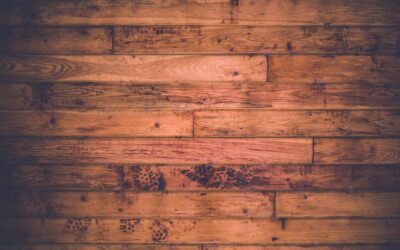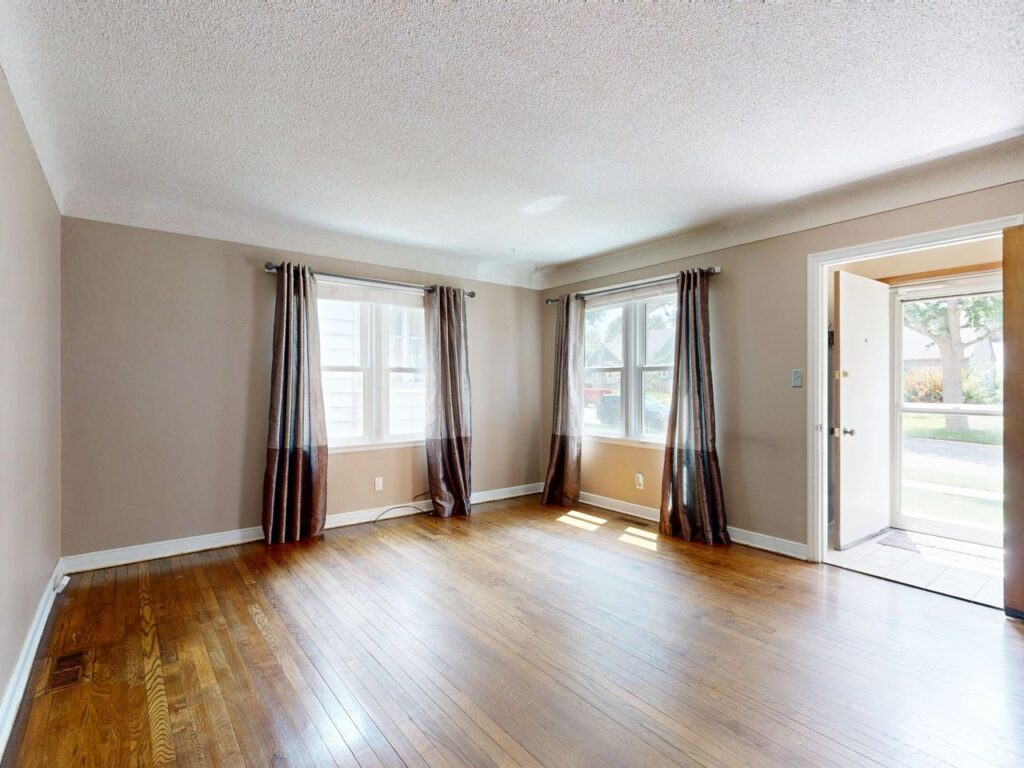
Pull up the carpet in any East Coast or Midwest home built between 1900 and 1955 and odds are high you will find old narrow hardwood flooring underneath, usually 1.5 inch to 2.25 inch red or white oak strip nailed straight to subfloor or sleepers. The boards are 3/4 inch thick, hand-graded for tight knots, and worth real money in 2026. Whether you refinish, infill, or replace depends on what is under the dust and how much you want to spend.
Why Narrow Strip Was the Standard
Pre-WWII mills cut oak from old-growth eastern hardwood forests with trees up to 30 inches in diameter. Narrow strip yielded the cleanest quarter-sawn and rift cuts, with tight rays and minimal cathedral grain. Wider planks were saved for furniture and trim where the figure could shine.
Builders also nailed narrow strip faster. A finish nailer at 18 inches on center hit every board edge tight to the previous one, and the 2.25 inch face spread bowing tendencies across many joints rather than concentrating them in a few wide ones.
Refinish vs Replace
Most old narrow oak refinishes beautifully. A 3/4 inch board has 5 mm to 7 mm of wear surface above the tongue, which means three to four full sandings over its lifetime. If the boards show only surface scratches, light cupping, or worn polyurethane, hire a sand-and-refinish for $3 to $8 per square foot.
Replacement makes sense only if water damage rotted the subfloor or if 15 percent of the boards are split, missing, or burned. Tearing out 100-year-old oak to install new product is a value-destroying move on a historic home. Match new wood to old at the worn spots instead.
Sanding Sequence That Works
Start with 36 grit on a drum sander to flatten cup and remove old shellac or wax. Step to 60 grit, then 80, then 100. Edger work follows the drum at each grit. Finish with a 120 grit screen on a buffer to erase swirl and edger marks.
Old shellac and wax finishes are common on pre-1950 floors. Test by rubbing denatured alcohol on a hidden spot: if the finish softens or dissolves, it is shellac. Sand at lower drum pressure and clean the abrasive often to prevent gumming.
Replacing Damaged Boards
Pry up only the damaged sections. Use a multi-tool to cut across an existing seam, then split the board with a sharp chisel. Pull staples and nails one at a time.
Source matching wood from architectural salvage yards (look up Olde Good Things, Caldwell’s, or your local Habitat ReStore) or buy new 2.25 inch oak from Aacer, Somerset, or Owens Plank Flooring. Color match comes from sanding all boards together and staining as one floor.
Filling Gaps and Cracks
Old narrow strip develops seasonal gaps of 1/32 inch to 3/32 inch. Use a colored wood filler like Timbermate or DAP Plastic Wood after the 60 grit pass, then sand the next grit to scrape excess out of the grain. For wider gaps, jute rope soaked in wood glue is the historic fix: tap it into the seam, let it cure, then sand flush.
Avoid sawdust-and-glue slurry unless you are filling small pinholes. The mix shrinks visibly within a year and pops out, leaving the original gap plus a halo.
Finish Choices for Authenticity
For historic accuracy on pre-1925 floors, two coats of orange shellac topped with paste wax matches the original finish. Maintenance means re-waxing twice a year and avoiding water on the surface.
For modern durability with a similar warm tone, an oil-modified polyurethane like Pro Finisher Oil Based gives the amber color and the chemical resistance most homeowners want. Plan three coats over a sealer at $1.50 to $2.50 per square foot in product cost.
What It Adds to Resale
Restored original hardwood is one of the top return-on-investment renovations for pre-1960 homes. National Association of Realtors data consistently ranks hardwood refinishing in the top three home projects for cost recovery, often returning 100 percent or more at sale.
Buyers in markets like Boston, Philadelphia, Chicago, and Minneapolis specifically search for original narrow-strip oak. Hide it under LVP or carpet and you cut your buyer pool. Restore it and the listing photos do half the marketing.
When to Walk Away
If the floor system is rotted under the boards, if termite damage is widespread, or if water has cupped the boards more than 1/4 inch, replacement may be cheaper than restoration. Check joist condition from below before sanding. A bouncy floor signals joist failure that no amount of refinishing solves.
Matching Stain on Old vs New Boards
When you patch in new oak alongside 100-year-old originals, the new boards will always read lighter because the patina on old boards developed over decades of UV exposure and finish aging. Stain alone rarely closes the gap. Use a combination of a UV booth or sunlight exposure on the new boards (3 to 7 days) plus a slightly darker stain selection.
The most reliable method is to sand the entire floor as one job, then stain everything in one pass. Skip any attempt to color-match individual replacement boards while leaving the rest unchanged. The eye picks up the seam every time. Bona DriFast Quick Dry Stain in Antique Brown or Provincial reproduces the warm 1920s look most accurately.
The Smart Move
Old narrow hardwood flooring is a feature, not a flaw. Sand it, fill the worst gaps, repair the broken boards, and finish with a product that respects the original look. You will spend roughly half what new engineered hardwood costs and add real value to a historic home. The wood already lasted a century. With one more refinish, it goes another fifty years easy.
Prefer to explore on your own?
See how new flooring looks in your actual room in seconds — free, no signup.
Try the free Floor Studio →