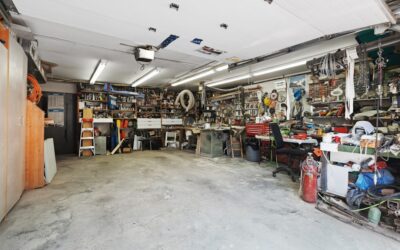
The idea of a brand-new garage floor that’s installed before dinner sounds too good to be true, yet modern coating chemistry makes it routine. One day flooring refers to floor coating systems — most often polyaspartic and polyurea over concrete — that a trained crew can grind, coat, and finish in a single day, with the surface ready to walk on within hours and to park on within about a day. This guide explains how same-day installs work, where they shine, what they cost, and the limits you should know before booking one.
What One-Day Flooring Means
The term almost always describes a coating, not a plank or tile floor. A crew applies a multi-layer system directly to prepared concrete — typically in a garage, basement, patio, or workshop — and the fast-curing chemistry lets all the coats go down in one visit. By contrast, traditional epoxy needs multiple days of curing between coats.
The finished floor is a seamless, glossy surface, often decorated with vinyl color flakes for grip and a speckled look. It’s the same category of product behind the branded one-day garage floor companies you’ve likely seen advertised.
How the One-Day Process Works
A same-day install follows a tight sequence:
- Diamond grinding: The crew grinds the concrete to open the surface for adhesion — the single most important step.
- Repairs: Cracks, pits, and spalls are filled and leveled.
- Base coat: A polyaspartic or epoxy base goes down, and color flakes are broadcast into it.
- Scrape and clean: Excess flakes are removed once the base sets.
- Topcoat: A clear polyaspartic or polyurea seals everything with a durable, glossy finish.
Because polyaspartic cures in a few hours, the whole job — for a typical two-car garage — wraps in roughly four to eight hours.
Why Polyaspartic Makes It Possible
Polyaspartic and polyurea coatings cure dramatically faster than epoxy and tolerate a wide temperature range, including cold and humid conditions that would stall epoxy. That fast cure is what compresses a multi-day job into one. These coatings are also more UV-stable than epoxy, so they resist the yellowing that plain epoxy suffers in sunlight, and they’re more flexible, which helps them resist cracking as concrete moves.
Pros of One-Day Flooring
Speed is the obvious win — your garage is out of commission for a day, not a week. Beyond convenience, the coatings are genuinely tough: they resist hot tire pickup, oil and chemical stains, abrasion, and impact far better than DIY roll-on kits. The seamless surface is easy to sweep and mop, and the color-flake finish hides minor imperfections while adding slip resistance.
Professional grinding and a quality polyaspartic topcoat routinely last 15 years or more, dramatically outperforming the big-box epoxy kits that often peel within a couple of years.
Cons and Limitations
One-day flooring isn’t cheap, and it’s not a DIY weekend project — proper diamond grinding requires equipment most homeowners don’t own. The category is essentially limited to concrete substrates, so it won’t replace a hardwood living-room floor; it’s for garages, basements, patios, and shops. Quality also hinges entirely on the prep — a crew that skips grinding for a quick acid etch will deliver a floor that fails early.
Severely damaged or moisture-ridden slabs may need remediation first, which can extend the timeline beyond a single day.
What One-Day Flooring Costs
Pricing depends on size, prep, and system:
- Per square foot: $5-$12 installed
- Two-car garage (~400-500 sq ft): $3,000-$7,000
- Premium metallic or multi-color systems: higher end of the range
- Major crack and spall repair: added cost
It costs more than a DIY epoxy kit but a fraction of replacing a slab, and the durability gap justifies the price for most homeowners.
What to Expect on Install Day
Clear the space completely the night before. The crew arrives, grinds the concrete (this is dusty, though pros use vacuum-shrouded grinders), repairs the slab, and applies the coats through the day. You’ll typically be able to walk on it the same evening and park vehicles after about 24 hours. Ask for the specific cure-time guidance for your system and weather, since temperature affects it.
Color and Finish Options
One-day coating systems offer more design range than people expect. The decorative vinyl flakes come in dozens of blends — from subtle gray and tan tones that hide dirt to bold multi-color mixes — and the flake density controls how much texture and slip resistance you get. Heavier flake broadcasts also add grip, useful in a garage where wet shoes are common.
For a higher-end look, metallic epoxy and pigmented systems create marbled, three-dimensional effects, though these often push the timeline and cost up. Solid-color and quartz-broadcast systems offer industrial durability for workshops. When choosing, balance looks against practicality: a medium-density flake blend in a neutral tone hides dirt, resists slips, and suits most garages without dating quickly.
Maintenance After Installation
A finished coating is refreshingly low-maintenance. Sweep or dust-mop to keep grit off the gloss, and hose or mop the floor with a mild cleaner as needed — the seamless surface has no grout lines or seams to trap dirt. Avoid harsh solvents and abrasive scrubbers that could dull the topcoat over time.
For garages, place a mat under vehicles in winter to catch road salt and slush, and clean up oil or chemical spills promptly even though the coating resists staining. With basic care, a professionally installed polyaspartic floor keeps its gloss and resists wear for 15 years or more, and a worn topcoat can eventually be re-coated rather than fully replaced.
The Bottom Line
One-day flooring delivers a durable, attractive concrete floor with minimal disruption, thanks to fast-curing polyaspartic and polyurea coatings. It’s ideal for garages, basements, and patios, far outlasts DIY epoxy, and fits in a single day. The catch is cost and the absolute importance of proper diamond grinding. Hire a crew that grinds rather than etches, confirm the warranty and cure times, and you’ll get a glossy, chemical-resistant floor that holds up for well over a decade.
Prefer to explore on your own?
See how new flooring looks in your actual room in seconds — free, no signup.
Try the free Floor Studio →