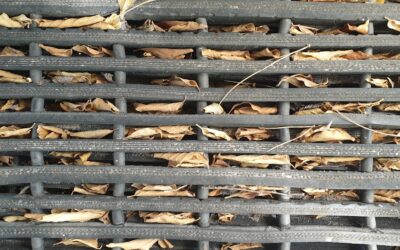
Cleaning gutters is the home-maintenance chore nobody wants — it means a ladder, gloves, and a couple hours pulling wet leaves out of a channel two stories up. Installing just one gutter guard system across your roofline promises to end that chore by keeping debris out while letting water flow through. But not all guards work equally well, and a cheap or poorly installed one can create worse problems than open gutters. Here is a straight look at the types, what they cost, and how to pick the right one for your home.
Part of our Roofing guide — explore the full guide →
- What a Gutter Guard Does
- The Main Types of Gutter Guards
- Which Guard for Which Debris
- What Gutter Guards Cost
- DIY Versus Professional Installation
- The Catch: Guards Are Not Zero Maintenance
- Installation Tips
- Is One Gutter Guard System Worth It?
- How Gutter Guards Help With Ice Dams and Pests
- Frequently Asked Questions
What a Gutter Guard Does
A gutter guard is a cover or insert that sits over or inside your gutter to block leaves, pine needles, and debris while allowing rainwater to pass into the gutter and drain away. The goal is a gutter that stays clear so water flows to the downspouts instead of overflowing, backing up under the roof edge, or freezing into ice dams. A good guard dramatically reduces how often you need to clean, though no guard is truly maintenance-free.
The Main Types of Gutter Guards
Guards fall into a few categories, each with real strengths and weaknesses:
- Micro-mesh: A fine stainless steel mesh over a frame that blocks even tiny debris like pine needles and shingle grit. The best all-around performer and the most durable, but the priciest.
- Screen/mesh: Perforated metal or plastic screens that keep out leaves. Affordable and easy to install, but small debris can still get through.
- Reverse-curve (surface tension): A solid cover that curves so water clings and follows it into the gutter while debris falls off the edge. Effective but bulky and can be visible from the ground.
- Foam inserts: Blocks of foam that sit inside the gutter and let water pass through. Cheap and DIY-friendly, but they degrade and can hold debris and seeds over time.
- Brush guards: Bristle inserts like a giant pipe cleaner. Easy to install but the least effective at keeping out fine debris.
Which Guard for Which Debris
The right choice depends on what falls on your roof. If you are surrounded by pine trees, only micro-mesh reliably blocks needles — screens and reverse-curve guards let needles through or trap them on top. For large deciduous leaves, screens and reverse-curve guards work well and cost less. In areas with heavy shingle grit or seed pods, micro-mesh again wins. Match the guard’s opening size to your smallest common debris, or you will still be clearing the gutters.
What Gutter Guards Cost
Price varies enormously by material and whether you install them yourself:
- Foam and brush guards: $2 to $4 per linear foot, DIY.
- Screen/mesh guards: $3 to $8 per linear foot, DIY-friendly.
- Micro-mesh (DIY): $6 to $12 per linear foot.
- Professional micro-mesh or reverse-curve systems: $15 to $30+ per linear foot installed.
An average home has 150 to 200 linear feet of gutter. That puts a DIY mesh job around $500 to $1,500 and a professionally installed premium system anywhere from $2,500 to $6,000. The branded, salesperson-sold systems sit at the top of that range.
DIY Versus Professional Installation
Screen, foam, and many snap-in micro-mesh guards are genuinely DIY-friendly — they clip onto the gutter lip or slide under the first row of shingles, and a handy homeowner can do a house over a weekend with a ladder and tin snips. Reverse-curve and premium bracketed systems usually require professional installation, and some are only sold installed. If your roof is steep or high, hire it out regardless of the guard type; the fall risk is not worth the savings.
The Catch: Guards Are Not Zero Maintenance
Be skeptical of “never clean your gutters again” marketing. Even the best guard needs occasional attention — fine debris can accumulate on top of micro-mesh, foam degrades and must be replaced, and pollen and grit can eventually reduce flow. A quality guard turns a twice-a-year ladder chore into a light rinse once a year, which is a real improvement, but not a total elimination. Factor a periodic check into your decision so you are not disappointed.
Installation Tips
Whatever guard you choose, do it right:
- Clean and flush the gutters completely before installing any guard — trapping existing debris underneath defeats the purpose.
- Confirm the gutters are pitched correctly toward the downspouts, about 1/4 inch of slope per 10 feet.
- For guards that tuck under shingles, avoid lifting the shingles so high that you break the roof’s water seal.
- Make sure the guard does not extend past the gutter in a way that lets water overshoot in heavy rain.
Is One Gutter Guard System Worth It?
For most homeowners, yes — especially if you have tall gutters, lots of trees, or simply hate ladders. A quality micro-mesh guard pays for itself in avoided cleaning costs and prevents the water damage that clogged gutters cause. Skip the cheapest foam and brush inserts, which disappoint fast, and either invest in DIY micro-mesh or a reputable installed system. Choose the guard type based on your specific debris, install it over clean, properly pitched gutters, and one gutter guard system can turn your worst maintenance chore into an afterthought.
How Gutter Guards Help With Ice Dams and Pests
Guards do more than block leaves. In cold climates, clogged gutters trap water that freezes into ice dams, forcing meltwater back up under the shingles and into the house. By keeping gutters clear so water drains freely, a good guard reduces — though does not entirely eliminate — the conditions that create ice dams. Some premium systems even integrate heated cable to melt ice at the roof edge in the worst climates.
Guards also discourage pests. Open, debris-filled gutters are prime nesting spots for birds, rodents, mosquitoes, and wasps, which are drawn to the standing water and organic matter. A solid or fine-mesh guard denies them the debris and the still water they need, cutting down on infestations along the roofline. These secondary benefits are part of why many homeowners find a guard pays off beyond just avoiding the ladder.
Frequently Asked Questions
Are gutter guards really worth it?
For most homeowners, yes — especially with tall gutters or lots of trees. A quality guard turns a twice-a-year cleaning into a light annual rinse and helps prevent the water damage clogged gutters cause. Skip the cheapest foam and brush inserts, which disappoint quickly.
What is the best type of gutter guard?
Micro-mesh is the best all-around performer. Its fine stainless mesh blocks even pine needles and shingle grit while letting water through, and it is the most durable option. It costs more than screens or foam but reliably keeps the widest range of debris out.
Do gutter guards mean I never clean my gutters again?
No. Even the best guards need occasional attention — fine debris can build up on top of micro-mesh, and foam degrades over time. A quality guard greatly reduces cleaning frequency but does not eliminate it entirely, so be skeptical of “never clean again” marketing.