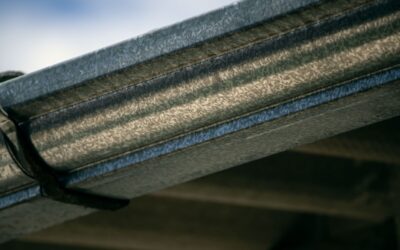
Cleaning gutters is the home chore nobody misses once they’ve quit, and it’s also one of the most dangerous, since falls from ladders send thousands of homeowners to the emergency room every year. A rain gutter leaf guard promises to end the twice-yearly climb by covering the gutter so debris stays out while water flows in. The catch is that guards range from cheap foam inserts that clog within a season to engineered micro-mesh systems that genuinely work for decades, and the price gap is enormous. Knowing which type suits your trees and roof saves both money and frustration.
Part of our Roofing guide — explore the full guide →
How a Rain Gutter Leaf Guard Works
Every rain gutter leaf guard solves the same puzzle: let rainwater in while keeping leaves, pine needles, seeds, and shingle grit out. The designs differ dramatically in how they pull that off. Some use a physical barrier with holes or mesh sized to pass water but block debris. Others exploit surface tension, curving water around a nose and into the gutter while leaves tumble off the edge. The best choice depends on what actually falls on your roof, because a guard that stops big oak leaves may sail right past fine pine needles or the gritty granules that wash off asphalt shingles.
The Main Types Compared
Guards fall into five broad categories, each with a clear personality:
- Micro-mesh: A fine stainless steel screen on a frame. Blocks even pine needles and shingle grit. The top performer, $2 to $6 per linear foot for materials.
- Perforated aluminum screens: Metal panels with small holes. Good for leaves, less so for fine debris. $1 to $3 per foot.
- Reverse-curve (surface tension): Solid hoods that curl water into the gutter. Effective but visible and pricey.
- Foam inserts: Wedge-shaped foam that blocks debris on top. Cheapest at under $1 per foot but degrades and clogs.
- Brush guards: Bottle-brush cylinders set in the gutter. Easy DIY but catch debris in the bristles.
For most homes with a mix of trees, micro-mesh is the guard professionals recommend when performance matters more than saving a few dollars.
Matching the Guard to Your Trees
The debris that lands on your roof should drive the decision more than any sales pitch. Broad deciduous leaves from maples and oaks are the easiest to exclude, so screens and perforated guards handle them fine. Pine needles, small seed pods, and the fine “helicopter” seeds from maples are far trickier and will thread through anything but a true micro-mesh. Shingle grit is the sneakiest of all, quietly building a sludge layer that clogs coarse guards over a few years. If you have pines overhead or an aging asphalt roof shedding granules, spend for micro-mesh; anything coarser will disappoint you.
DIY Versus Professional Installation
Cost swings wildly based on who installs it. DIY-friendly snap-in screens, foam, and brush guards cost $0.50 to $3 per linear foot and a weekend of ladder time. Professionally installed micro-mesh from independent contractors runs $5 to $10 per linear foot installed. Brand-name systems with heavy marketing, like LeafFilter or Gutter Helmet, typically quote $15 to $40 per linear foot installed, so a 200-foot home can hit $3,000 to $8,000. The premium buys a lifetime, transferable warranty and professional fitting, but many homeowners get comparable performance from a local installer using quality micro-mesh at a fraction of the price.
What Guards Do and Don’t Solve
Set expectations honestly. A good leaf guard dramatically reduces gutter cleaning, prevents clogs that cause overflow and foundation water problems, keeps pests and mosquitoes from breeding in standing debris, and reduces ice-dam-feeding blockages. But no guard is truly maintenance-free. Fine grit and pollen still accumulate on top of micro-mesh and occasionally need a rinse, seeds can sprout in the debris that collects on the surface, and in heavy downpours some reverse-curve designs let water overshoot. Think of guards as reducing gutter maintenance by 80 to 95 percent, not eliminating it entirely, and choose a type you can still rinse from a ladder if needed.
Installation Details That Matter
How a guard is fitted affects both performance and your roof warranty. Avoid systems that require sliding the guard under the first course of shingles, which can lift and damage them and may void a shingle warranty; screw-down or clip-on designs that attach to the gutter lip are safer. Make sure the gutters are cleaned and the pitch checked before installation, because a guard traps existing problems inside. Confirm the guard sits at a slight downward angle so debris sheds rather than piling, and verify downspout openings are protected too, since a clog there defeats the whole system.
Is a Leaf Guard Worth It?
For most homeowners with mature trees, the answer is a clear yes, especially anyone who dreads or physically can’t manage ladder work. The payback isn’t just money; it’s eliminating a dangerous chore and preventing the water damage a clogged gutter causes to fascia, siding, and foundations. Spend where it counts on micro-mesh if you have pines or an older asphalt roof, get two or three quotes rather than accepting the first high-pressure pitch, and confirm the warranty covers both clogs and overflow. A quality rain gutter leaf guard is one of the few upgrades that pays you back in safety and saved weekends for as long as you own the home.
Leaf Guards and Winter Ice Dams
In snow country, guards interact with winter in ways worth understanding before you buy. A clogged gutter is a known contributor to ice dams, because trapped debris holds water that freezes, backs up under the shingles, and leaks into the house. Keeping the gutter clear with a guard reduces that risk. But no gutter guard prevents ice dams on its own, since dams form from heat escaping the attic and melting snow that refreezes at the cold eave, a problem rooted in insulation and ventilation, not the gutter itself. Some solid reverse-curve guards can even trap a sheet of ice on top in a hard freeze, so if you live where winters are severe, ask specifically how a given guard performs under snow and ice loads.
Micro-mesh and screen guards handle freeze-thaw reasonably well because water and melt drain through the fine openings, and they don’t create the solid ledge that some hooded systems do. Pairing any guard with proper attic insulation, sealed air leaks, and adequate soffit-to-ridge ventilation is the real ice-dam solution; the guard just keeps the gutter itself doing its job so meltwater has a clear path to the downspout instead of pooling and freezing.
Maintaining guards for peak performance
Even the best system rewards a little upkeep, and treating a guard as truly install-and-forget is how people end up disappointed. Once or twice a year, ideally in late fall after the leaves drop and again in spring after pollen and seeds, walk the perimeter and look at the tops of the guards. Brush or blow off any matted leaves, pine needles, and helicopter seeds sitting on the surface, since a thick layer up there can shed water over the edge in a downpour even though the gutter below is clear. On micro-mesh, a garden hose rinse restores flow if fine grit and pollen have started to film the screen.
Check the downspouts too, because a guard that keeps the trough clean does nothing if debris that washed in years ago is still choking the outlet. Pour a bucket of water into the gutter and confirm it runs freely out the bottom of the downspout; a slow trickle means a clog to clear. Inspect the guard’s attachment after heavy storms and re-secure any panel that has lifted. Fifteen minutes of seasonal attention keeps a good guard performing at close to its full potential for the decades most quality systems are built to last.
Getting quotes and spotting sales pressure
The gutter guard industry runs on high-pressure sales, so knowing how to shop protects your wallet. Be wary of the classic tactics: a “today only” discount that evaporates if you don’t sign on the spot, a quoted price that suddenly drops by half when you hesitate, and financing pushed hard to obscure the true cost. A legitimate installer will give you a written, itemized quote in linear feet, leave it with you, and honor it next week. Always get two or three bids, and include at least one independent local contractor alongside any national brand, since the locals often install comparable micro-mesh for a fraction of the franchise price.
Ask pointed questions before you commit. Does the system attach to the gutter or slide under the shingles, which can void a roof warranty? What is the actual mesh or hole size, and how does it handle the specific debris on your roof? Is the warranty a genuine no-clog guarantee with a real company behind it, or marketing language with escape clauses? Confirm the crew will clean and re-pitch the existing gutters first, since installing a guard over a clogged or sagging gutter locks in the problem. A guard is a long-term investment in safety and saved weekends, so take the time to choose the right type and a straightforward installer rather than signing under pressure and regretting it every rainy season.