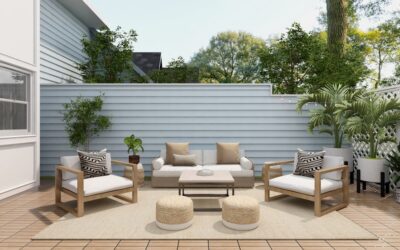
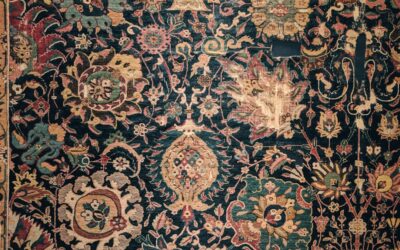
A bare patio or deck can feel like an unfinished room, no matter how nice the furniture is. An outdoor area rug is the piece that pulls it all together, defining a seating zone, adding color and comfort underfoot, and making an open-air space feel as deliberate as anything indoors. Built from weatherproof synthetic fibers, these rugs handle sun, rain, and foot traffic that would destroy a standard indoor rug in a single summer.
Part of our Windows & Doors guide — explore the full guide →
This guide covers the materials worth buying, how to size and place an outdoor rug, and the simple maintenance that keeps it looking good season after season.
What Makes a Rug Outdoor-Rated
Outdoor rugs are engineered to survive conditions an indoor rug cannot. They use synthetic fibers that shed water rather than absorb it, resist fading from UV exposure, and dry quickly after rain. Most are flat-woven with little or no pile, so moisture does not get trapped and mildew has a harder time taking hold. Many are reversible, doubling their usable life and letting you flip them when one side fades.
When shopping, look for terms like UV-stabilized, fade-resistant, and mold- and mildew-resistant. These signal the rug is built for the elements rather than an indoor rug marketed loosely for a covered porch.
Best Materials for Outdoor Rugs
- Polypropylene (olefin): The most common and affordable option. It resists water, stains, and fading, and it hoses off easily.
- Recycled PET: Made from plastic bottles, soft underfoot, eco-friendly, and impressively durable.
- Polyester: Offers vivid colors and a plush feel, though slightly less stain-resistant than polypropylene.
- Natural fibers like jute and sisal: Beautiful but only suitable for covered, dry areas, since they absorb moisture and rot outdoors.
For fully exposed patios and decks, stick with synthetics. Reserve natural fibers for screened porches and sheltered spots that stay dry.
Sizing an Outdoor Rug
Getting the size right is what separates a polished patio from one that looks like the rug was an afterthought. The rug should be large enough to anchor the furniture grouping, ideally with at least the front legs of seating resting on it. A few common sizes and uses:
- 5×7 or 5×8: Good for a small bistro set or a compact balcony.
- 8×10: The versatile standard for a typical patio seating arrangement.
- 9×12 and larger: Best for big decks and full outdoor living rooms with a sofa and chairs.
Measure the actual space and the furniture footprint before buying, and aim to leave a balanced border of bare surface around the rug rather than running it wall to wall.
Where to Use an Outdoor Rug
Outdoor area rugs do more than dress up a patio. They define a conversation area on a large deck, soften the hard surface under a dining set, and add warmth and grip to a covered porch. Under a pergola or gazebo, a rug helps the space read as an actual room. Many homeowners also use these durable, washable rugs indoors in kitchens, entryways, and playrooms, where spills and heavy traffic are constant.
On grass or pavers, a flat-woven outdoor rug can also create a clean, level surface for a seating zone, though it should be lifted and dried periodically to protect the ground beneath.
Keeping It in Place
Wind and traffic can shift a lightweight rug, which is both annoying and a trip hazard. A few measures keep it anchored:
- Use an outdoor-rated rug pad, which adds grip and lets water drain underneath.
- In windy areas, secure the corners with landscape staples or weatherproof grippers.
- Weight the corners with planters or furniture legs to hold the rug down.
- Choose a heavier, tightly woven rug for exposed locations where wind is a constant.
What an Outdoor Rug Costs
Outdoor rugs are an affordable way to upgrade a patio, with price driven by size, material, and weave quality. A basic polypropylene rug in a popular 5×7 or 5×8 size typically runs about $40 to $90, while a quality 8×10 in recycled PET or a denser weave usually lands in the $100 to $250 range. Large 9×12 and oversized rugs can climb past $300, especially in designer patterns.
Budget a little extra for an outdoor-rated rug pad, which usually adds $20 to $60 but extends the rug’s life by improving airflow and reducing wear. Spending slightly more on a UV-stabilized, tightly woven rug often pays off, since a cheap rug that fades and frays in one season costs more over time than a durable one that lasts several years.
Common Mistakes to Avoid
A handful of avoidable errors shorten an outdoor rug’s life or throw off the look. The biggest is buying a natural-fiber rug like jute or sisal for a fully exposed area, where moisture quickly causes rot and mildew. Another is going too small, since a rug that floats with no furniture legs on it makes a patio look disconnected rather than anchored.
Leaving a soaked rug flat on a wood deck is a quieter problem, trapping moisture that can stain or warp the boards over time. Skipping the rug pad invites sliding and bunching, especially on smooth concrete. Measure the space and the furniture footprint before buying, and choose a size that lets the seating group sit on the rug for a finished result.
Cleaning and Maintenance
Easy cleanup is one of the biggest perks of an outdoor rug. For routine care, shake or sweep off debris, then hose it down and let it dry flat or over a railing. For deeper cleaning, scrub with mild soap and water and rinse thoroughly. Avoid harsh bleach on colored rugs, which can fade the pattern over time.
After heavy rain, lift the rug so both it and the surface below dry completely, preventing trapped moisture and mildew. When the season ends, make sure the rug is fully dry, then roll it loosely and store it somewhere protected. Handled this way, a quality synthetic outdoor rug easily lasts several seasons.
The Bottom Line
An outdoor area rug is the simplest way to turn a bare patio or deck into a finished, comfortable space. Choose a weatherproof synthetic for exposed areas, size it to anchor your furniture, and anchor it against the wind. Keep up with quick rinses and let it dry fully between soakings, and your outdoor rug will deliver color, comfort, and style through many summers to come.