An outdoor carpet 8×10 is the most popular size for a reason: at 80 square feet, it anchors a standard patio seating set or a small deck without swallowing the whole space. Before you grab the cheapest one online, though, know that “outdoor carpet” covers everything from $40 flatweave rugs to bonded marine-grade goods that shrug off years of sun and rain. The wrong pick fades in one summer or grows mildew under the furniture. This guide walks through materials, backing, drainage, and care so your 8-by-10 holds up.
Part of our Windows & Doors guide — explore the full guide →
Why the 8×10 Size Works So Well
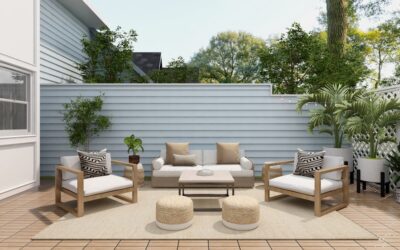
An 8-by-10-foot rug measures 80 square feet, which fits the sweet spot for outdoor living areas. It comfortably defines a four-chair conversation set with a coffee table, or a modest dining set for six, keeping the front legs of the furniture on the rug so the layout reads as one grounded room.
On a 10-by-12 or 12-by-14 patio, an 8×10 leaves a clean border of decking or pavers around the edge, which looks intentional and makes sweeping easier. Go bigger only if your slab runs past 14 feet in one direction; smaller sizes like 5×7 tend to float and look undersized once real furniture lands on them.
Once your patio flooring is in place, think about how you’ll use the space. A gazebo adds shade and structure, while a good outdoor furniture set turns it into a spot you’ll actually want to hang out in. A deck box is also worth considering if you need somewhere to stash cushions and outdoor gear.
We may earn a commission when you purchase through our links.
Materials That Survive the Weather
Not every outdoor rug is built the same, and the fiber decides how long it lasts. Polypropylene, also called olefin, is the workhorse of the category. It resists moisture, fades slowly, and rinses clean, which is why most affordable outdoor 8x10s use it.
- Polypropylene (olefin): $40 to $120, mildew-resistant, quick-drying, and easy to hose off. The best all-around value.
- Recycled PET plastic: $60 to $150, softer underfoot, made from recycled bottles, and colorfast in direct sun.
- Nylon: more durable and resilient but pricier, and it needs a solution-dyed grade to resist fading outdoors.
- Natural fibers (jute, seagrass): only for covered porches. They mildew fast in rain and are not truly weatherproof.
For a rug that lives fully exposed to sun and storms, choose solution-dyed polypropylene or PET. Solution-dyed means the color runs all the way through each fiber, so UV rays cannot bleach it out the way they do surface-printed goods.
Backing and Drainage Matter More Than You Think
The single biggest reason outdoor carpet fails is trapped water. A solid rubber backing looks reassuring but seals moisture against your deck, breeding mildew and staining wood boards within weeks. On any surface that gets wet, drainage wins.
Look for a ribbed, latticed, or perforated backing that lets water pass through to the surface below. Many quality outdoor 8x10s use a flatweave, backing-free construction that drains freely and dries in an hour after rain. If you must use a rubber-backed piece, reserve it for covered patios and lift it periodically to let the deck breathe.
What an 8×10 Outdoor Carpet Costs
Price tracks fiber quality and construction. Budget flatweave polypropylene 8x10s run $40 to $80 and work fine for a season or two of light use. Mid-range solution-dyed rugs land at $90 to $180 and typically carry a UV-fade warranty of three to five years.
Premium bonded or hand-loomed outdoor rugs can reach $200 to $400, but for most patios that is more than you need. Factor in a $20 to $40 outdoor rug pad if you want the rug to stay put on a slick composite deck, and a bottle of fabric guard if your pick did not ship pre-treated.
Installation and Securing It in Wind
Rolling out an 8×10 is simple, but keeping it flat and anchored takes a little planning. Let the rug relax in the sun for a few hours so shipping creases release, or weigh down curled corners overnight.
- Sweep and dry the surface first. Grit under the rug abrades the backing and traps moisture.
- Add a breathable outdoor rug pad on smooth decks or concrete for grip and airflow.
- In windy spots, use outdoor rug grippers, landscape stakes on grass, or place furniture legs at the corners to hold it down.
- Leave a 2- to 4-inch gap from any wall so water and air can move around the edges.
For a truly wind-prone deck, corner anchors rated for outdoor use beat hoping the furniture holds. A gust can flip an unweighted 8×10 and scatter your table settings.
Cleaning and Seasonal Care
The upside of synthetic outdoor carpet is easy maintenance. For routine cleaning, shake or sweep off debris, then hose it down and let it air-dry flat. Most spills lift with a squirt of mild dish soap in warm water and a soft brush.
For mildew spots, mix one part white vinegar to three parts water, scrub, rinse, and dry fully in the sun. Avoid bleach on colored rugs, which can lighten the fibers. Before winter, clean the rug, dry it completely, roll it loosely, and store it somewhere dry; leaving it out under snow shortens its life dramatically.
Style and Color for Outdoor Spaces
An 8×10 is a big block of pattern, so the design does real work in how the space feels. Light, airy colors like sand, ivory, and soft blue open up a small patio and read cool in summer sun, though they show dirt faster. Deeper tones such as charcoal, navy, and terracotta hide soil and ground a larger deck.
Pattern choice matters just as much as color. Geometric and trellis designs bring energy to a plain slab, while striped rugs can visually stretch a narrow deck when you run the stripes lengthwise. If your outdoor furniture already carries a busy print, a solid or subtle texture keeps the space from feeling cluttered. Remember that direct sun is unforgiving; a solution-dyed rug in a bold color will still look sharp in year three, while a cheap printed one fades to a washed-out ghost of its original shade.
Where an 8×10 Works Best
The 8-by-10 size is versatile, but it shines in specific spots. Beyond the classic patio seating area, it works well under a dining set on a covered porch, as a defined landing at the top of deck stairs, or as a soft zone in a she-shed or three-season room.
- Covered porches: the safest home for softer PET rugs and even rubber-backed styles.
- Open decks and patios: stick to drainage-backed polypropylene that dries fast after rain.
- Poolside: choose quick-drying flatweaves that shrug off splashes and wet feet.
- Garages and workshops: a durable olefin 8×10 softens a concrete floor and cleans with a hose.
Wherever it lands, keep the rug proportional to the space. An 8×10 that crowds a tiny 8-foot balcony looks stuffed, while the same rug on a sprawling 20-foot deck looks lost against the furniture.
Making the Right Choice
For most homeowners, a solution-dyed polypropylene or recycled PET rug with a drainage-friendly backing hits the sweet spot of price, looks, and longevity. Spend a little more for a UV-fade warranty, skip solid rubber backing on open decks, and add a breathable pad for grip. Do that, and your outdoor carpet 8×10 will keep a patio looking pulled together through several seasons instead of curling and mildewing before Labor Day. Measure your furniture layout first, keep the front legs on the rug, and you will get a space that feels finished the day it arrives. Take a moment to note the sun exposure and drainage of your specific patio before ordering, since those two factors decide fiber and backing more than any style trend. A rug chosen to match its real conditions almost always outlasts a prettier one bought on looks alone.