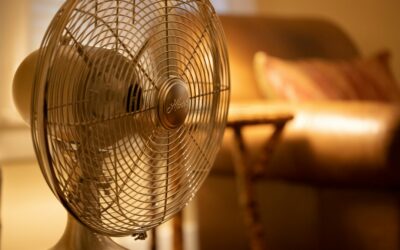
A ceiling fan turns a 92 degree F Georgia afternoon in a gazebo from unusable to pleasant in about 90 seconds. Install the wrong fan and the motor seizes within one summer, sending rust streaks down the ceiling boards and voiding the warranty. An outdoor fan for gazebo must be UL-rated for damp or wet locations, built with weather-resistant blades and housing, and mounted on a downrod appropriate for the ceiling height. Get those three details right and you have a fan that runs 10 to 15 years. Get them wrong and you are replacing parts by year two.
Part of our Decks & Outdoor guide — explore the full guide →
Damp vs Wet Rated — The Most Important Distinction
UL listings are not marketing fluff. They are structural specifications that determine whether a fan survives your specific gazebo environment.
- Dry rated: Indoor only. Any exposure to humidity or condensation will corrode components and void the warranty. Not for gazebos.
- Damp rated: Suitable for covered outdoor locations where the fan is never exposed to direct rain. Fine for closed gazebos, screened porches, and fully covered pavilions with deep eaves.
- Wet rated: Suitable for direct water exposure including rain. Required for open-sided gazebos in rainy climates, pergolas with slat roofs, and any structure where wind-driven rain can reach the fan.
When in doubt, buy wet rated. The cost premium is usually $30 to $75 over a damp-rated model, and it covers you against blown-in rain during storms. Most traditional gazebos with open sides and shingle roofs should use wet-rated fans.
Blade Material and Blade Pitch
Blade material determines lifespan in the weather. Indoor fan blades are usually MDF or pressboard with a veneer — they swell and warp within weeks outdoors. Outdoor fan blades should be one of these three materials.
- ABS plastic: Most common on affordable outdoor fans. UV-stabilized grades last 10-plus years without warping. Lighter weight means quieter operation.
- Die-cast aluminum: Premium tier. Rust-proof, maintains shape indefinitely. Slightly heavier so the motor works harder.
- Marine-grade stainless or powder-coated steel: For coastal installs within 5 miles of salt water. Resists salt corrosion that destroys aluminum over time.
Blade pitch — the angle of each blade — affects airflow. Pitch below 12 degrees moves air weakly. Pitch above 15 degrees moves more air but stresses the motor. The sweet spot for outdoor fans is 13 to 14 degrees, which produces 5,000 to 7,000 CFM of airflow on most 52-inch models.
Sizing the Fan to the Gazebo
Match the blade span to the gazebo size:
- Gazebo up to 75 sq ft: 36 to 42 inch fan
- Gazebo 75 to 144 sq ft (up to 12×12): 44 to 52 inch fan
- Gazebo 144 to 225 sq ft (12×12 to 15×15): 54 to 60 inch fan
- Gazebo over 225 sq ft: 60-plus inch fan or two smaller fans
Larger gazebos with two separate seating zones often do better with two 52-inch fans than one 72-inch fan. Airflow distributes more evenly, and if one motor fails you still have the other.
Downrod Length and Mounting
Proper downrod length keeps the fan blades at 8 to 9 feet above the floor for maximum airflow at seated height. In a standard gazebo with a 10-foot peak and roughly 8 feet at the center, most fans install on a 6- to 12-inch downrod.
Steeply pitched gazebo ceilings require an angled mount or sloped ceiling adapter. Hunter and Hampton Bay sell adapters for pitches up to 45 degrees. For pitches steeper than 45 degrees (common in Victorian gazebos), look at fans like the Hunter Caribbean Breeze specifically designed for steep mount applications.
Hurricane-ties or structural blocking should back the ceiling junction box. A ceiling fan vibrates differently from a light fixture, and an ordinary pancake box rated for 15 pounds is not enough. Install a fan-rated box rated for at least 35 pounds or use a braced fan support through the ceiling joists.
Top Outdoor Fan Models for Gazebos
- Hunter Caribbean Breeze 54-inch: Wet-rated, five ABS blades, five speeds. $280 to $330. Reliable middle-ground pick.
- Big Ass Fans Haiku Outdoor: Wet-rated, bamboo composite blades, exceptional quietness. $800-plus. Premium tier for anyone who wants no-compromise quality.
- Monte Carlo Maverick Max 70-inch: Wet-rated, aluminum blades, DC motor for high airflow at low watts. $650 to $900. Good for very large gazebos or pavilion structures.
- Honeywell Belmar 52-inch: Damp-rated, five ABS blades, bronze finish. $120 to $180. Budget winner for fully covered gazebos.
- Hampton Bay Gazebo III 52-inch: Wet-rated with pull chain, basic bronze or white finish. $150 to $220. Widely available at Home Depot.
- Casablanca Bullet 54-inch: Damp-rated, sleek industrial look. $280 to $350.
DC vs AC Motors
Modern outdoor fans use either traditional AC motors or newer DC motors. DC motors consume 60 to 70 percent less electricity, run more quietly, and offer more speed settings — typically six instead of three. They also cost $150 to $300 more than AC equivalents.
For a fan running 8 hours a day in summer, a DC motor saves about $25 to $40 per year in electricity, paying back the upgrade in 5 to 8 years. For occasional weekend use, the AC motor is the rational pick.
Wiring and Control Options
Outdoor fan wiring follows the same code as any ceiling fixture — a 14-gauge or 12-gauge cable with ground, protected in conduit if run outside walls. The switch or controller must be rated for wet or damp locations if mounted on an exterior post.
Remote controls are standard on most outdoor gazebo fans. The handheld remote can operate from 30 to 50 feet away. Smart fans like the Hunter Signal series integrate with Alexa, Google Home, and Apple HomeKit, allowing voice control from inside the house. Wall controls are a good secondary option if multiple users are in the gazebo and the remote gets lost in couch cushions.
Maintenance Schedule
Wipe blades quarterly to remove pollen, spider webs, and dust. A damp microfiber cloth on a Swiffer extension pole handles it from the ground in under 5 minutes. Check the downrod set screws annually — vibration loosens them over time, and a slipping downrod is how fans fall from ceilings.
At the end of each season in cold climates, tighten blade screws and inspect the canopy for pest nests. Paper wasps and mud daubers love the cavity above the canopy. A can of wasp spray and a spring inspection usually clears it out.
With proper selection, installation, and minor annual upkeep, a good outdoor fan for gazebo use lasts 12 to 20 years and turns a structure you use occasionally into the most-used room of summer.