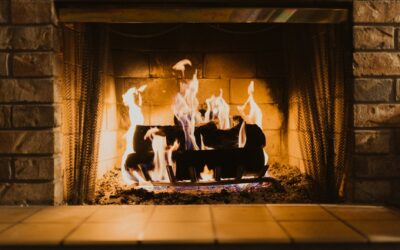
An open patio fireplace on a breezy evening can throw embers 10 feet or more, straight onto cushions, decking or dry landscaping. An outdoor fireplace screen is the simple barrier that stops most of that, but an indoor screen moved outside usually rusts within a season. Outdoor screens need weather-resistant metal, a sturdier frame to handle wind and a plan for where they go when the patio is shut down for winter.
Part of our Windows & Doors guide — explore the full guide →
The best choice depends on the fireplace itself. Masonry outdoor fireplaces built from brick, block or stone have different openings and hearths than prefabricated metal outdoor units. Both need a screen that fits the opening with overlap, stays put in gusts and holds up to rain, sun and freeze cycles.
Screens for open fire pits are a different product with a dome or ring shape. The focus here is on fireplaces with a defined opening and firebox.
Picking an Outdoor Fireplace Screen Material
Material is the biggest factor in how long a screen lasts outdoors. Most options fall into two camps.
Powder-Coated Steel
Powder coating bonds a baked-on finish to a steel frame and mesh. A good high-heat powder coat resists rust and comes in black, bronze and other colors that suit outdoor kitchens. It is the most common metal fireplace screen finish and usually the most affordable. The weak point is chips: once the coating is scratched by a log or poker, moisture reaches the steel and rust spreads under the finish. Touch up chips each season with high-heat paint.
Stainless Steel
Stainless steel frames and mesh resist corrosion far better, especially near pools, in humid climates and in coastal areas with salt air. Higher grades such as marine-grade stainless hold up best. Stainless costs more and can discolor with a golden or blue tint from heat, but it rarely rusts through. For a screen that stays outside year-round, stainless is usually worth the extra money.
Other Options
Wrought iron looks great and is heavy, which helps with wind, but it needs regular painting outdoors. Aluminum frames are light and rust-proof but less common because aluminum softens at high heat and lighter screens blow over more easily.
Sizing for Masonry and Metal Outdoor Fireplaces
Measure the opening width and height, then the hearth depth in front of the opening. Outdoor masonry fireplaces are often larger than indoor units, with openings of 36 to 48 inches or more and deep hearths. Add at least 4 to 6 inches to the width for overlap and choose a screen a few inches taller than the opening.
Prefabricated metal outdoor fireplaces often come with a manufacturer-matched screen or mesh door, and that is the best fit when available. If you are buying separately, confirm the screen will not block air intakes or vents on the unit, and follow the maker’s guidance on what can sit in front of it.
A folding fireplace screen with three or four panels works well on wide outdoor openings because the side panels angle back to close the corners and form a stable base. Single flat screens need deep, wide feet to stand up to wind.
Wind-Blown Ember Risk
Wind is what makes outdoor fireplaces riskier than indoor ones. A gust can push sparks sideways around a screen edge or lift a lightweight screen and tip it over. Plan for wind with these steps:
- Choose a heavier frame and fine mesh. Fine mesh stops small embers that coarse decorative patterns let through.
- Use generous side overlap so embers pushed sideways still hit mesh, not open air.
- Pick a screen with wide feet or a weighted base. Some homeowners secure the base with heavy hearth weights designed for the purpose. Never tie a screen to the fireplace with flammable rope.
- Check the forecast. Skip a fire on gusty days or in local burn-ban conditions.
- Keep furniture, cushions, umbrellas, planters with dry mulch and outdoor rugs well back from the hearth, ideally 10 feet or more downwind.
- Keep a hose, bucket of water or fire extinguisher within reach every time you burn.
Watch where the prevailing wind comes from on your patio. If it typically blows toward the seating area, a taller, wider screen is a smart investment.
Installing and Using the Screen
- Clean the hearth. Sweep away ash and debris so the screen sits flat.
- Set the screen in front of the opening. Center it with equal overlap on both sides.
- Angle side panels. On folding screens, angle side panels so they meet the masonry or metal face.
- Test stability. Give the top a gentle push. If it rocks, widen the panel angle or add weight to the base.
- Light the fire with the screen open or moved aside, then place it back before stepping away from the hearth.
- Use heat-resistant gloves to move the screen while a fire is burning; outdoor screens get as hot as indoor ones.
Never leave a fire unattended, even with a screen in place. Put the fire out completely with water and stir the ashes before leaving the patio.
Weather Care and Storage
Even weatherproof screens last longer with care. After each season:
- Brush off ash and soot, which hold moisture and speed corrosion.
- Wash with mild soap and water, rinse and let dry completely.
- Inspect welds, hinges and mesh for rust, holes or loose strands.
- Touch up powder-coat chips with high-heat paint.
- Store the screen in a garage, shed or under a breathable cover during the off-season. Stand it upright or lay it flat so panels do not warp.
Avoid wrapping a damp screen in plastic. Trapped moisture causes more rust than open-air storage. In areas with heavy snow, storing indoors is the safest bet because ice and freeze-thaw cycles crack coatings.
Outdoor Fire Safety Basics
An outdoor fireplace still follows fire safety rules. Check local codes and HOA rules for open burning, burn bans and required clearances from structures, overhangs and property lines. Burn only seasoned firewood, never trash, treated lumber or yard waste, which produce more sparks and smoke. Keep outdoor lighting cords, string lights and extension cords away from the hearth and screen, and use only outdoor-rated electrical gear on the patio. Make sure the chimney has a spark arrestor cap and have it inspected periodically.
If the outdoor fireplace sits under a covered patio or pergola, confirm the clearances in the maker’s manual or local code. Overhead structures can catch embers that rise from the chimney.
Cost Ranges
- Powder-coated steel screens: generally from under a hundred to a couple hundred dollars.
- Heavy-gauge or wide folding screens: often in the low to mid hundreds.
- Stainless steel screens: commonly a few hundred dollars and up.
- Custom screens for large masonry openings: often several hundred to over a thousand dollars.
Troubleshooting
Rust spots after one season: The coating was chipped or the screen was stored damp. Wire-brush, prime and paint with high-heat paint, or upgrade to stainless.
Screen blows over: The frame is too light or the feet too narrow. Use a heavier folding screen or add hearth weights.
Embers escape at the sides: Increase overlap or angle side panels to close the corners.
Mesh sagging: Heat and weather have loosened it. Replace the mesh panel or the screen before it tears.
When to Call a Professional
Bring in a hearth or masonry professional for custom screens on large or irregular openings, mounted mesh curtains, or a masonry fireplace showing cracked mortar, loose stone or heat damage. Prefab outdoor units with gas burners need a licensed gas professional for any gas line or burner work; if you smell gas, leave the area and call the utility. Have the chimney checked if smoke rolls out the front of the opening instead of rising. Choose the right material, size it with overlap and store it well, and an outdoor fireplace screen will protect the patio for many seasons.
Frequently Asked Questions
Can I use an indoor fireplace screen outside?
You can for a short time, but most indoor screens lack a weatherproof finish and rust quickly. An outdoor-rated powder-coated or stainless screen lasts much longer.
Is stainless steel better than powder coat for outdoor screens?
Stainless resists rust better, especially near pools or the coast. Powder coat costs less and works well if you touch up chips and store it dry.
How do I keep my outdoor screen from blowing over?
Choose a heavy folding screen with wide feet, angle the side panels for a broad base and add hearth weights. Skip fires on very windy days.
Should I leave my outdoor fireplace screen out all winter?
It is better to clean, dry and store it in a shed or garage. Snow, ice and freeze-thaw cycles break down finishes and loosen mesh.
What size screen does an outdoor fireplace need?
At least 4 to 6 inches wider than the opening and a few inches taller. Wider is better where wind regularly pushes embers sideways.