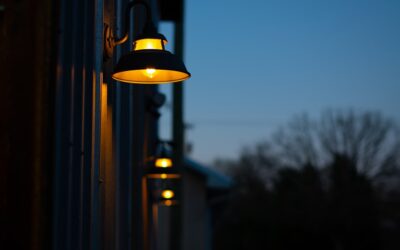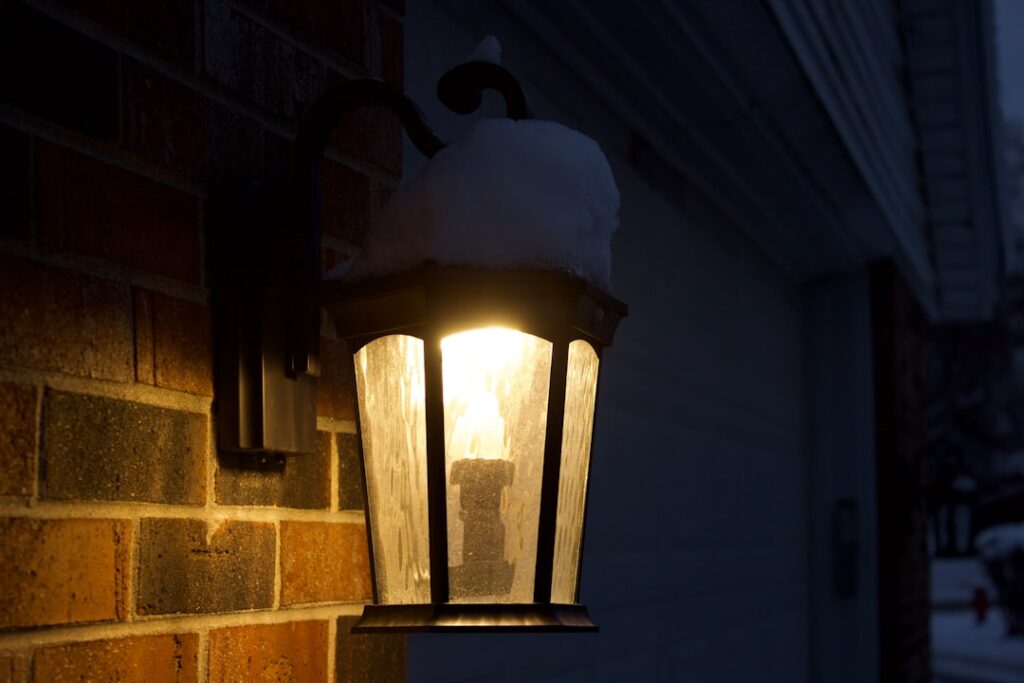
The porch is the first thing guests see and the last thing you pass on your way in each night, which makes outdoor porch lighting one of the most impactful and rewarding home upgrades you can tackle. Done well, porch lighting boosts curb appeal, improves safety on steps and walkways, deters intruders, and creates a warm, welcoming glow that says “home.” Done poorly, it leaves harsh shadows, glaring bulbs, and awkward proportions. This guide walks you through the fixture types, sizing, and choices that separate a well-lit porch from a forgettable one.
Part of our Windows & Doors guide — explore the full guide →
Porch lighting works best as layers: an anchoring fixture or fixtures near the door, supplementary light on steps and pathways, and sometimes accent lighting to highlight architecture or landscaping. Getting the mix and the scale right is what makes an entry feel inviting rather than either dim or overexposed.
Types of Porch Light Fixtures
- Wall lanterns: The classic choice, mounted on either side of the door or as a single fixture beside it. They provide the primary layer of light and set the style of the entry.
- Ceiling flush-mounts: Mounted on a covered porch ceiling, they cast even, downward light ideal for larger porches and low overhangs.
- Hanging pendants and lanterns: Suspended from the porch ceiling for a decorative, elevated look on porches with adequate height—generally 8 feet or more.
- Recessed can lights: Discreet ceiling lights that wash the porch floor in even illumination without visible fixtures, great for modern homes.
- Post and pier lights: Mounted on railing posts or columns to light the perimeter and steps.
Getting the Size Right
Improper scale is the most common porch lighting mistake—fixtures that look fine in the store appear tiny once mounted on the house. Use these guidelines:
- Single fixture beside a door: The fixture height should be roughly one-third the height of the door. For a standard 80-inch door, that means a fixture around 20 to 27 inches tall.
- A pair of fixtures flanking a door: Each should be about one-quarter the door’s height, roughly 16 to 20 inches, since two share the visual weight.
- Mounting height: Center the fixture about 66 to 72 inches above the porch floor, at roughly eye level, so the light source is not glaring down into faces.
- Hanging fixtures: Leave at least 7 feet of clearance below a hanging lantern so no one bumps their head.
When in doubt, size up. A slightly larger fixture almost always looks more intentional than one that is too small.
Choosing the Right Bulbs
The bulb defines the mood as much as the fixture. For a warm, welcoming entry, choose LED bulbs in the 2700K to 3000K color-temperature range—soft, warm white light. Avoid cool, bluish bulbs above 4000K, which look stark and clinical outdoors. For brightness, 800 to 1,100 lumens per fixture is a good target for primary porch lights, enough to see clearly without glare.
LED bulbs are the clear choice for porch lighting: they last 15,000 to 25,000 hours, use a fraction of the energy of incandescent bulbs, and withstand cold and heat. Make sure any bulb you use is rated for damp or wet locations depending on how exposed the fixture is.
Smart and Automatic Features
- Dusk-to-dawn sensors: Built into the fixture or the bulb, these turn the light on at nightfall and off at dawn automatically—no thinking required.
- Motion sensors: Ideal for side and back porches, lighting up when someone approaches and saving energy the rest of the night.
- Smart bulbs: Wi-Fi or Bluetooth bulbs let you schedule, dim, and control porch lights from your phone or a smart speaker.
- Photocell adapters: Screw-in adapters add automatic dusk-to-dawn function to almost any fixture.
Damp Versus Wet Ratings
Every outdoor fixture carries a UL location rating. A damp-rated fixture suits covered porches shielded from direct rain, while a wet-rated fixture is required anywhere exposed to rain and snow, including hanging fixtures near the porch edge and any light not fully protected by the roof. Matching the rating to the location prevents moisture from corroding the fixture and causing electrical problems.
Layering for the Best Effect
The most inviting porches use more than one light source. Start with your primary wall or ceiling fixture for general illumination. Add step lighting—recessed riser lights or low-voltage path lights—to keep stairs safe. Consider accent lighting such as uplights on columns or a spotlight on a house number or seasonal wreath. This layered approach eliminates the harsh single-shadow effect of one bright bulb and gives the porch depth and warmth.
Installation Basics
Replacing an existing porch fixture is a straightforward DIY project of 30 to 45 minutes:
- Cut power at the breaker and verify it is off with a voltage tester—never rely on the switch alone.
- Remove the old fixture and note the wiring: black to black, white to white, ground to ground.
- Attach the new mounting bracket, connect the wires with wire nuts, and tuck them neatly into the box.
- Secure the fixture and seal the top and sides against the wall with exterior caulk, leaving the bottom open to drain.
- Restore power and test.
Adding a fixture where none existed—running new wiring—should be handled by a licensed electrician, both for safety and to meet code.
Common Mistakes to Avoid
- Undersized fixtures: The classic error. Scale fixtures to the door and house.
- Cold, blue light: Stick to warm 2700K–3000K bulbs for a welcoming glow.
- Mismatched ratings: Use wet-rated fixtures anywhere exposed to weather.
- Glare at eye level: Choose fixtures with shades or frosted glass so you see the glow, not the bare bulb.
- Only one light source: Layer general, task, and accent lighting for depth and safety.
Lighting Different Porch Styles
The right approach depends on your porch’s architecture. A small stoop or shallow front porch is usually well served by one or two wall lanterns flanking the door—simple, classic, and enough to light the entry and lock. A large covered wraparound porch benefits from multiple ceiling flush-mounts or recessed cans spaced evenly to wash the whole space in light, supplemented by wall sconces between windows. A tall, grand entry with a two-story portico can carry a dramatic hanging lantern or a large pendant that fills the vertical space, sized generously so it doesn’t look lost. And a modern flat-roof porch often looks best with clean recessed downlights and a single sleek wall fixture. Matching the fixture type and scale to the porch’s proportions is what makes the lighting look designed rather than default.
Energy Use and Long-Term Savings
Because porch lights often run for hours every night—especially with dusk-to-dawn operation—the bulb choice has a real impact on your energy bill over time. Switching from old incandescent or halogen bulbs to LEDs cuts energy use by roughly 75 to 80 percent for the same brightness, and LEDs last many years, so you rarely climb a ladder to replace them. A single porch light left on all night with a 60-watt incandescent bulb can cost significantly more per year than an equivalent 9-watt LED. Multiply that across several exterior fixtures and the savings add up quickly, making an LED conversion one of the easiest efficiency wins in the home. Pairing LEDs with dusk-to-dawn or motion controls trims the cost even further while keeping your home safely lit.
A Warm Welcome Every Night
Outdoor porch lighting is a small project with an outsized payoff. The right fixtures at the right scale, warm LED bulbs, smart automatic controls, and a thoughtful layered approach turn a dark, uninviting entry into a safe, beautiful welcome that boosts your home’s value and curb appeal. Whether you are refreshing a single lantern or designing a fully layered scheme, a little planning ensures your porch looks its best and lights your way home every night.