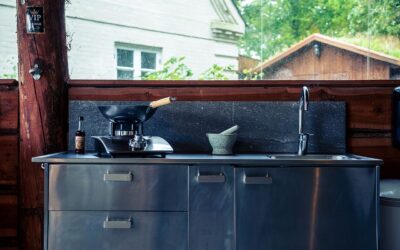
Anyone who has repotted plants hunched over the lawn knows the aching back and the dirt tracked everywhere. An outdoor potting station changes that entirely — a dedicated workbench at the right height where soil, pots, and tools all have a home and cleanup is a quick brush of the surface. Whether you buy one or build it, the right design saves your back, keeps your patio clean, and makes gardening genuinely enjoyable. This guide covers ideal dimensions, materials, must-have features, and how to decide between DIY and store-bought.
Part of our Windows & Doors guide — explore the full guide →
What a Potting Station Does for You
A potting bench is simply a workstation built for gardening tasks: transplanting seedlings, repotting, mixing soil, and starting cuttings. The payoff is ergonomics and organization. Working at counter height instead of on the ground protects your back and knees, while built-in storage keeps tools, gloves, and bags of soil within arm’s reach.
It also contains the mess. Spilled potting mix lands on the bench instead of your deck, and many designs include a sink or a soil tray to catch the overflow. For a serious gardener, it becomes the command center of the whole yard.
Ideal Dimensions
Height is the single most important measurement, because a bench at the wrong height defeats the ergonomic purpose. Aim the work surface for around 36 inches, the same as a kitchen counter, which suits most adults standing to work. Tall gardeners may prefer 38 to 40 inches.
- Work surface height: 36 inches (adjust to your own comfort)
- Surface depth: 20 to 24 inches for room to work without crowding
- Surface width: 36 to 60 inches depending on space and volume
- Lower shelf clearance: tall enough to store bagged soil and large pots
Match the footprint to your available space and how much potting you actually do, leaving room to stand and move comfortably in front of it.
Choosing the Right Materials
Because the station lives outdoors, materials have to shrug off sun, rain, and soil. Each common choice has tradeoffs:
- Cedar and redwood: naturally rot- and insect-resistant, attractive, moderate cost
- Pressure-treated lumber: budget-friendly and durable, but bulkier looking
- Galvanized or powder-coated steel: rustproof and modern, great for the work surface or frame
- Resin or recycled plastic: weatherproof, low-maintenance, no sealing required
If you use untreated wood, seal it with an exterior-grade finish and re-coat every year or two to prevent rot. A galvanized metal top is the easiest surface to wipe clean and the most resistant to constant moisture.
Must-Have Features
The features separate a useful bench from a glorified table. Prioritize storage and water management as you plan or shop.
- Lower shelf: holds bagged soil, large pots, and watering cans
- Upper shelf or backsplash: keeps small tools, seed packets, and gloves at eye level
- Drawers or bins: corral hand tools, twine, and plant labels
- Hooks and a rail: hang trowels, pruners, and aprons
- A drop-in tub or removable soil tray: mix potting mix without it scattering
- Optional sink: a basin plumbed to a hose or draining into a bucket for rinsing
Even a simple slatted shelf and a row of hooks dramatically improve how the station functions day to day.
DIY vs. Buying One
Building your own gives you full control over height, size, and features, and you can often match it to existing outdoor structures. A basic DIY bench from cedar runs roughly $80 to $200 in materials and takes a weekend with simple tools — a saw, drill, and a few dozen deck screws.
Store-bought stations save time and arrive ready or nearly assembled, with prices commonly ranging from $100 for a basic resin model to $400-plus for a large cedar bench with a sink and storage. If you want a custom fit or enjoy the build, go DIY; if you want it done this afternoon, buy. Either way, confirm the work-surface height matches your body.
Placement and Setup Tips
Position the station where it makes gardening easiest: near a water source, on a level surface, and ideally with partial shade so you are not working in full afternoon sun. A spot close to your most-used garden beds or the greenhouse cuts down on hauling pots back and forth.
Set the bench on pavers or a gravel pad rather than directly on soil to keep the legs from sitting in moisture and rotting. If the area gets windy, anchor a lightweight resin model so it does not tip. Place a small trash bin or compost bucket alongside for trimmings and spent soil.
Repurposing Items You Already Own
A great potting station does not have to be bought or built from scratch. An old kitchen table or workbench raised to a comfortable height makes an instant work surface. A dresser with the drawers removed becomes storage cubbies, and a salvaged sink dropped into a wood frame gives you a rinsing basin for free.
Pallets are a popular budget base — stood upright they hold pots and hang tools, and laid flat they form shelves. Galvanized buckets, mason jars, and old colanders organize small tools and seed packets with a rustic charm. Before buying anything, look around your garage and yard for pieces that can be cleaned up, sealed, and pressed into service.
Keeping It Organized and Maintained
A station only stays useful if you keep it tidy. Return tools to their hooks, sweep the surface after each session, and store seed packets and small parts in labeled bins. Empty and rinse any soil tray so old mix does not harbor pests or disease.
Reseal wood surfaces on schedule, tighten any loosening hardware each spring, and bring resin bins or store delicate items inside before hard freezes. Sweep out drawers so soil and seeds do not attract insects, and oil any squeaky hinges or sliding parts once a season.
With a little upkeep, an outdoor potting station becomes the most-used spot in your yard. The right height saves your back, the built-in storage keeps every tool within reach, and the contained work surface keeps your patio clean. Whether you build it from cedar over a weekend or buy a ready-made resin model, matching the design to your gardening habits is what turns a simple bench into the hardest-working fixture in your outdoor space.