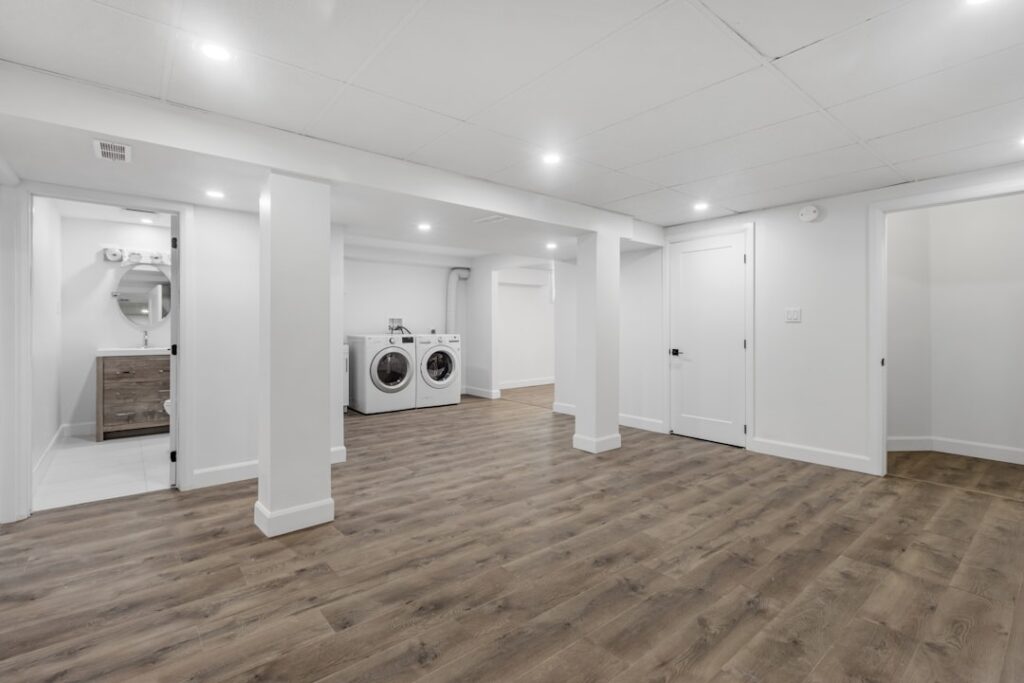
Finishing a basement adds valuable living space, but traditional drywall is vulnerable to moisture and mold below grade. The Owens Corning Basement Finishing System is a proprietary, moisture-resistant alternative built around removable insulated wall panels. This guide explains how the system works, what it costs, its pros and cons, and how it stacks up against conventional finishing.
- What the System Is
- How the Wall Panels Work
- Key Features and Benefits
- What a Typical Installation Includes
- How It Compares to Drywall
- Pros of the System
- Cons and Limitations
- Cost Expectations
- Moisture Management Still Matters
- Warranty and Durability
- Is It Right for Your Basement?
- Questions to Ask a Dealer
- Ceiling and Flooring Options
- Electrical and Lighting Integration
- Timeline and Living Through Installation
- Resale Value Considerations
- Final Verdict
What the System Is
The Owens Corning Basement Finishing System is a complete, professionally installed method for finishing basement walls using engineered fiberglass insulation panels wrapped in a durable, washable fabric instead of drywall. It is sold and installed through authorized dealers, not as a DIY retail kit. The system is designed specifically for the below-grade environment, addressing moisture, insulation, and the periodic need to access foundation walls.
How the Wall Panels Work
At the heart of the system are inorganic fiberglass panels covered in a woven fabric. Because fiberglass and the fabric do not provide food for mold the way paper-faced drywall does, the panels resist mold and mildew growth. The panels are semi-rigid, allowing them to breathe and let incidental moisture in the foundation wall dry rather than being trapped. They attach to a lightweight framing system and can be removed and reinstalled if you ever need to reach the foundation.
Key Features and Benefits
- Moisture resistance: Inorganic materials resist mold and mildew common in basements.
- Insulation value: The fiberglass panels add thermal insulation, typically around R-11, making the space warmer and quieter.
- Sound absorption: The fabric-wrapped panels dampen noise better than hard drywall, a plus for media rooms.
- Removable access: Panels can be taken down to inspect or repair foundation walls, then reinstalled.
- Faster installation: The engineered system often installs faster than framing, drywall, taping, and painting.
What a Typical Installation Includes
An Owens Corning basement project is usually turnkey through the dealer. A typical scope covers the wall panels, ceiling options, trim, and coordination of other finishing elements. The process generally follows these steps:
- An in-home consultation and measurement of the basement.
- A custom design and quote based on your layout and chosen features.
- Installation of the framing tracks along the foundation walls.
- Fitting the fiberglass wall panels into the framing.
- Adding ceiling treatments, trim, electrical accommodations, and finishing details.
Because it is dealer-installed, homeowners avoid the labor of framing, hanging, and mudding drywall themselves.
How It Compares to Drywall
The biggest advantage over traditional drywall is moisture and mold resistance. Paper-faced drywall below grade can absorb moisture and grow mold, sometimes requiring costly tear-out after a leak or flood. The Owens Corning panels resist this and can often be removed, dried, and reinstalled after a minor water event rather than replaced. Drywall, however, offers a completely smooth, paintable, traditional wall surface and is far cheaper, which remains its main appeal.
Pros of the System
- Strong resistance to mold, mildew, and moisture damage.
- Added insulation and noise reduction built into the wall.
- Removable panels for foundation access.
- Professional installation with a workmanship and product warranty.
- Often a quicker overall finishing timeline than conventional methods.
Cons and Limitations
- Higher cost: It typically costs more than DIY or contractor drywall finishing.
- Proprietary look: The fabric-wrapped panels have a distinct texture that differs from smooth painted drywall, which not everyone prefers.
- Limited customization: You cannot hang heavy items or mount fixtures the same way as on drywall, and design flexibility is more constrained.
- Dealer dependency: Installation and service go through authorized dealers rather than any general contractor.
Cost Expectations
Because the system is custom-quoted and professionally installed, prices vary by region and basement size, but it generally sits at a premium compared with drywall. Homeowners often report totals in the range of tens of thousands of dollars for a full basement, frequently more than a comparable drywall finish. As a rough benchmark, the finished cost per square foot tends to run higher than the typical drywall basement finish. Always obtain a detailed written quote, and compare it against at least one traditional finishing bid.
Moisture Management Still Matters
No finishing system fixes an actively leaking basement. Before installing any wall system, address the source of water intrusion first. That means grading soil away from the foundation, extending downspouts, sealing cracks, and, where needed, installing a sump pump or interior drainage and possibly encapsulation. The Owens Corning system handles incidental humidity and small water events well, but it is not a substitute for proper waterproofing of a chronically wet basement.
Warranty and Durability
One selling point is the system’s warranty, which covers the panels against defects and typically includes a limited lifetime component with terms that vary by dealer and program. The inorganic materials are designed to resist the sagging, staining, and mold that can plague drywall basements over time. Ask your dealer for the exact warranty document, what it covers, whether it is transferable to a new owner, and how service calls are handled.
Is It Right for Your Basement?
The system makes the most sense for homeowners who prioritize moisture and mold resistance, want a professionally managed project, and are comfortable paying a premium for engineered, removable panels. It is especially attractive in regions with high humidity or basements that have experienced minor water issues. If your budget is tight, you want a fully smooth paintable surface, or you plan extensive custom built-ins, traditional moisture-resistant drywall over proper insulation and a vapor strategy may serve you better.
Questions to Ask a Dealer
- What exactly does the quote include: walls, ceiling, trim, electrical, and flooring?
- What is the R-value of the panels and the expected noise reduction?
- How are panels removed and reinstalled for foundation access?
- What does the warranty cover, and is it transferable?
- How do you address any existing moisture before installation?
Ceiling and Flooring Options
While the wall panels are the signature feature, a full basement finish also involves the ceiling and floor, and these affect both cost and function. For ceilings, a suspended or drop-ceiling system is popular below grade because it preserves access to pipes, ductwork, and wiring above, which is valuable in a basement. For flooring, moisture-tolerant options such as luxury vinyl plank, sealed concrete, or engineered products designed for below-grade use are wiser than solid hardwood, which can cup and warp with basement humidity. Discuss how the dealer coordinates these elements, since a complete, cohesive finish matters more than the walls alone.
Electrical and Lighting Integration
Finishing a basement almost always involves adding outlets, switches, and lighting, and it is important to understand how the panel system accommodates them. The framing that supports the Owens Corning panels includes provisions for running electrical and placing outlet and switch boxes, but all wiring should be done by a licensed electrician and meet local code, including any required ground-fault protection in below-grade spaces. Plan your lighting layout, outlet locations, and any low-voltage runs for media or networking before installation, since retrofitting after the panels are in place is more disruptive.
Timeline and Living Through Installation
One appeal of an engineered system is a relatively predictable, often faster timeline than traditional framing and drywall, which requires multiple days of taping, mudding, sanding, and painting with drying time between coats. A dealer-installed panel system can often be completed in a matter of days to a couple of weeks depending on the basement size and scope, with far less dust than drywall sanding. Ask your dealer for a realistic schedule, how much noise and disruption to expect, and whether any prep work, such as clearing the basement or addressing moisture, is your responsibility beforehand.
Resale Value Considerations
A finished basement generally adds usable living space and can improve a home’s appeal to buyers, and the moisture-resistant, warrantied nature of an engineered system can be a selling point in humid regions. That said, appraisals typically value below-grade finished space at less per square foot than above-grade rooms, and the distinctive fabric-panel look may not appeal to every buyer who expects smooth painted walls. If resale is a priority, weigh the durability and moisture advantages against buyer preferences in your market, and confirm whether the product warranty transfers to a new owner, which strengthens the value proposition.
Final Verdict
The Owens Corning Basement Finishing System offers a purpose-built, moisture- and mold-resistant way to finish a basement, with added insulation, sound absorption, removable panels, and a professional install backed by warranty. Its trade-offs are a higher cost and a distinctive panel look compared with conventional drywall. If keeping a below-grade space dry and low-maintenance is your top priority and the budget allows, it is a strong option, but always resolve any water intrusion first and compare quotes against traditional finishing before deciding.