Walk down any paint aisle and you will see can after can promising one-coat magic, but paint plus primer is one of the most misunderstood products in home improvement. These all-in-one formulas are thicker, self-priming paints, not a separate primer mixed into paint. They shine on the right surfaces and fail spectacularly on the wrong ones. Knowing the difference saves you a weekend of frustration and the cost of repainting a room that should have taken one pass.
Part of our Paint & Walls guide — explore the full guide →
What Paint Plus Primer Actually Is
Despite the name, a paint-and-primer-in-one is not two products in a single can. It is a high-solids paint engineered with extra binders and pigment so it can bond to and cover a surface in fewer coats. Think of it as a premium paint that does double duty under favorable conditions, not as a replacement for a true bonding or sealing primer.
Because it carries more solids, it costs more, typically $35 to $60 a gallon versus $25 to $40 for standard paint. On a previously painted wall in good shape, that premium is often worth it. On problem surfaces, no amount of self-priming paint substitutes for a dedicated primer doing its specialized job.
When the All-in-One Is the Right Call
There is a real sweet spot where paint plus primer genuinely earns its keep and saves you a full coat of labor. Reach for it when the surface is already painted, sound, and you are staying in the same color family.
- Repainting a wall the same or similar color over an existing latex finish.
- Refreshing trim or doors that are clean and lightly scuffed.
- Touch-up and maintenance work where the existing coat is intact.
- Light color shifts, such as moving from one beige to another.
In these cases two coats of a quality self-priming paint typically deliver a uniform, durable finish without a separate primer step.
When You Still Need a Dedicated Primer
Here is where the marketing gets ahead of reality. Certain surfaces and situations demand a true primer engineered for that exact problem, and skipping it leads to peeling, bleed-through, or blotchy coverage within months. Apply a separate dedicated primer in these scenarios:
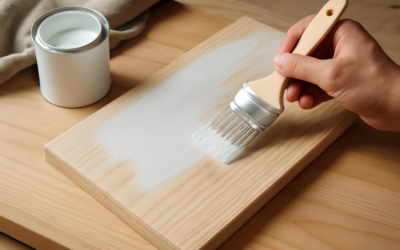
- Bare wood: Raw wood drinks paint unevenly and raises grain. A wood primer seals the surface and locks down tannins, especially on cedar and redwood that bleed brown.
- Drastic color changes: Going from deep red to white, or any dark-to-light jump, needs a tinted or white primer to neutralize the old color in one step.
- Stains and water damage: Water rings, smoke, marker, and grease bleed through ordinary paint. A stain-blocking shellac or oil primer is the only reliable fix.
- Glossy or slick surfaces: Glass, tile, laminate, and high-gloss trim need a bonding primer so the topcoat actually grips. Self-priming paint will peel off slick surfaces.
- New drywall: Fresh drywall and joint compound absorb paint at different rates, causing flashing. A drywall PVA primer evens out the porosity.
If any of these describe your project, the time you “save” with an all-in-one gets repaid with interest when the finish fails.
How to Tell If Your Surface Needs Priming
When you are unsure, a few quick tests settle it. Wipe a damp cloth across the wall: if chalky residue comes off, you have an old, oxidized coat that needs a bonding primer. Press tape onto the existing paint and pull; if flakes lift, the surface is unstable. Shine a light at a low angle to spot patched areas, which absorb differently and almost always flash without spot priming.
For glossy surfaces, the fingernail test is telling. If you can scratch the existing finish easily, scuff sanding plus a bonding primer is mandatory. None of these checks take more than five minutes, and they prevent the single most expensive mistake in any paint job: redoing it.
Application Tips for Best Coverage
Even when paint plus primer is appropriate, technique determines whether you get one strong finish or a patchy mess. Stir the can thoroughly because the heavier solids settle, and never thin it more than the label allows. Roll in three-by-three-foot sections, maintaining a wet edge so laps do not telegraph through.
Plan on two coats almost every time. The marketing implies one-coat coverage, but in practice a second coat evens out sheen and depth, particularly over patches or color changes. Give it the full recoat window listed on the can, usually two to four hours at 70°F, and longer in humid conditions.
Cost and Time Comparison
For a typical 12×12-foot room with 8-foot ceilings, you are covering roughly 400 square feet of wall. A gallon of paint plus primer at $50 covers about 350 to 400 square feet per coat, so two gallons handles the room with a little to spare for around $100. Adding a separate primer step would add roughly $30 to $40 in product and an extra two to three hours of labor including dry time.
That math is exactly why self-priming paint is popular: on a sound, similar-color wall it legitimately saves money and a half-day of work. The trap is assuming it works everywhere.
Sheen and Surface Compatibility
One overlooked factor is how an all-in-one behaves across different sheens. Self-priming paints lay down thicker, which makes flat and matte finishes forgiving of minor wall imperfections, but the same thickness can show roller stipple in high-gloss applications. If you want a glass-smooth gloss on trim or cabinets, a separate sanding primer creates a far better foundation than relying on a self-priming topcoat alone.
Surface porosity matters just as much. Two adjacent areas, say an old painted wall and a freshly skim-coated patch, absorb paint at different rates and dry to slightly different sheens, a defect painters call flashing. An all-in-one cannot fully equalize that mismatch, which is why spot-priming repairs before your finish coats remains good practice even when you are using a premium self-priming product everywhere else.
The Bottom Line
Treat paint plus primer as a premium paint that conveniently self-primes on cooperative surfaces, not as a universal shortcut. Use it confidently for repaints, trim refreshes, and modest color tweaks. Reach for a dedicated primer whenever you face bare wood, big color jumps, stains, glossy surfaces, or new drywall. Match the product to the surface and you will paint the room once, get a finish that lasts a decade, and never wonder why your “one-coat” paint needed four.