Stand in the paint aisle at Sherwin-Williams or Home Depot and you’ll see primer cans in white, gray, and even charcoal. The question what color is primer paint has more than one answer because primer color is engineered for the topcoat that follows, not for the eye. Pick wrong and you’ll roll on three or four finish coats trying to cover a stark white base under a deep navy.
Part of our Paint & Walls guide — explore the full guide →
The Three Standard Primer Colors
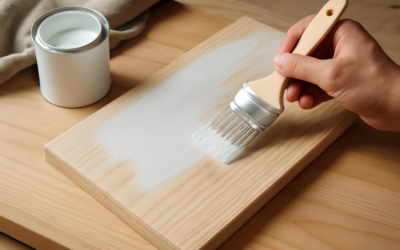
White primer is the default for most interior wall jobs. It runs about $22 to $34 per gallon for products like Kilz 2 Latex, Zinsser Bulls Eye 1-2-3, and Behr Premium Plus Multi-Surface. White works under topcoats in the off-white through mid-tone range and provides the cleanest base for accurate color reading.
Gray primer comes in three shades: light gray (LRV 65), medium gray (LRV 35), and deep gray to black (LRV under 20). Sherwin-Williams Extreme Bond Primer, Kilz Color Change, and Benjamin Moore Fresh Start all offer gray formulas. Gray primer drops the topcoat count by one or two layers when you’re going dark.
Tinted primer is white or gray base tinted at the store to roughly match the topcoat color, usually at 50 to 75 percent saturation. Most paint counters tint primer free when you buy the matching finish paint. This is the contractor’s standard move for saturated reds, oranges, deep blues, and forest greens.
Why Primer Color Matters for Hide
Paint hide is measured by contrast ratio. A finish paint applied over a substrate of similar value covers in fewer coats because the pigment particles don’t have to block as much underlying reflectivity. Rolling Behr Marquee in a deep charcoal over flat white drywall can take three to four coats. The same paint over medium gray primer hits full coverage in two.
The light reflectance value, or LRV, of the primer should sit within 15 points of the topcoat for the best results. Sherwin-Williams Tricorn Black at LRV 3 needs a deep-gray or black-tinted primer. Behr Polar Bear at LRV 92 wants a clean white primer. Tinting to match cuts material cost and labor time.
Specialty Primer Colors and What They Do
Shellac-based primer like Zinsser BIN dries to a chalky off-white that looks slightly yellow in the can. It blocks stains, smoke odor, water marks, and tannin bleed from knotty pine or cedar better than any latex product. Expect to pay $48 to $58 per gallon and to clean tools with denatured alcohol.
Oil-based primer like Kilz Original is a dull off-white with a slight gray cast. It bonds to glossy surfaces, chalky paint, and weathered exterior wood. Cleanup requires mineral spirits and the dry time runs 1 to 2 hours before recoat. Most jurisdictions still allow oil primer despite tightening VOC rules under EPA regulations.
Bonding primers for tile, metal, glass, and laminate often come in a milky white with a slight blue or gray tint. INSL-X Stix Acrylic Urethane and XIM Advanced Technology Bonder both fall in this category. Use them when you’re painting bathroom tile or kitchen cabinets without sanding.
What the Color Tells You About the Product
A bright clean white in the can usually signals a high-titanium-dioxide formula built for hide on bare drywall and new construction. Cloudier white or off-white often points to a stain-blocking formula with shellac or oil binders. A pre-tinted gray base out of the factory tells you the product is engineered for dark topcoats specifically.
Color shifts on the wall give clues too. Primer that flashes glossy spots after drying indicates the substrate sealed unevenly and a second primer coat is needed before topcoat. Pink or yellow blooms coming through white primer signal tannin or stain bleed and call for a switch to BIN shellac.
How to Pick the Right Color for Your Job
For bare drywall going under a topcoat with LRV above 50, use standard white latex primer. One gallon covers 300 to 400 square feet. For repainting walls in the same color family, skip primer and use a self-priming finish like Behr Marquee or Sherwin-Williams Emerald, which combine primer and topcoat in one formula.
For topcoats with LRV below 25, ask the paint counter to tint a gray primer base to match. Most Sherwin-Williams stores carry P1, P2, P3, and P4 deep-gray bases. Behr offers a similar system with deep-base 4 primer. Bringing the actual topcoat color chip to the counter speeds the tint.
Brand Color Comparison by Use Case
- Kilz 2 Latex: bright white, $24/gal, multi-purpose interior walls
- Zinsser Bulls Eye 1-2-3: bright white, $28/gal, stain blocking on drywall
- Zinsser BIN: chalky off-white, $52/gal, knotty wood and smoke damage
- Behr Premium Plus Multi-Surface: bright white, $26/gal, DIY interior
- Sherwin-Williams ProBlock: white or gray, $46/gal, water and stain blocking
- Benjamin Moore Fresh Start: white or tinted, $48/gal, premium prep coat
- INSL-X Stix: milky white, $44/gal, bonding on tile and laminate
Application Tips That Save a Coat
Roll primer with a 3/8-inch nap on smooth drywall and a 1/2-inch nap on textured walls. Cut in corners with a 2.5-inch angled sash brush. Let primer cure the full recoat window listed on the label, usually 1 to 4 hours, before applying finish paint. Skipping the cure window causes drag, flashing, and color shifts.
Sand primer lightly with 220-grit sandpaper on flat panels and trim before topcoat. This knocks down any raised grain or roller stipple and produces a glass-smooth finish coat. Wipe with a tack cloth or microfiber rag to remove dust.
Final Word on Choosing a Primer Color
The right answer to what color is primer paint depends on your topcoat, substrate, and stain risk. White for light topcoats and clean drywall. Gray for dark topcoats and bold accent walls. Tinted to match for saturated colors. Specialty shellac or oil-based when stains and odors are in play. Match the primer to the job and you’ll cut your finish coats from three down to two on almost every project.