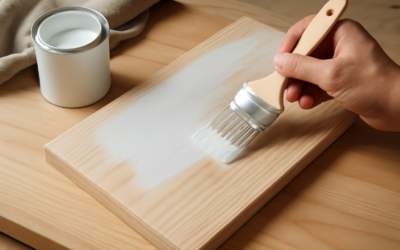
Pros estimate that 60 percent of failed paint jobs trace back to skipping or wrong-choosing primer. So what is paint primer? It is a specially formulated coating designed not for color or finish, but for adhesion, stain blocking, and surface uniformity. Primer creates a chemical bond between the substrate and topcoat, letting you paint over greasy walls, water-stained ceilings, glossy trim, and bare drywall without bleeding, peeling, or telegraphing patches. The wrong primer wastes a $200 weekend; the right one saves a $2,800 repaint.
Part of our Paint & Walls guide — explore the full guide →
- The Three Jobs Primer Does
- The Four Main Primer Types
- When You Absolutely Need Primer
- When You Can Skip Primer
- Specific Products That Solve Specific Problems
- How Many Coats of Primer
- Sanding Between Primer and Topcoat
- Primer Application Tips From Pros
- Cost Math: Why Primer Pays for Itself
- Final Word
The Three Jobs Primer Does
Quality primers serve three purposes simultaneously:
- Adhesion: Bonds the topcoat to surfaces it normally fights — glossy paint, oil-based finishes, slick metal, plastic, glass
- Stain blocking: Seals smoke residue, water stains, tannin bleed from wood knots, ink, lipstick, marker
- Sealing: Saturates porous surfaces (bare drywall, joint compound, raw wood) so they don’t suck the binder out of your finish coat
Most primers do one of these jobs well and the other two passably. Read the label and pick the primer matched to your specific surface.
The Four Main Primer Types
Five categories cover 95 percent of residential needs:
- Latex (water-based): Easy cleanup, low odor, dries in 1 hour. Best for bare drywall, joint compound, and previously painted surfaces in good condition
- Alkyd (oil-based): Strongest stain blocker for water and tannin stains. Bad odor, mineral spirits cleanup, 8-hour dry
- Shellac (alcohol-based): Top stain blocker for smoke, soot, severe water damage. Dries in 30 minutes. Strong odor
- Bonding primer: Latex with added adhesion promoters. Bites into glossy paint, laminate, vinyl, tile, melamine
- Masonry primer: Alkali-resistant, formulated for fresh concrete, brick, stucco
When You Absolutely Need Primer
Skip primer in these situations and you will see problems:
- Bare drywall or joint compound: Topcoat soaks unevenly into mud vs paper, leaving flashing
- Water stains: Bleed through any latex finish coat, sometimes after years
- Smoke or fire damage: Volatile residues require shellac to lock in
- Glossy or oil-based paint: Latex topcoat peels in sheets within 90 days
- Bare wood with knots: Pine and fir release tannins that bleed through white paint
- Drastic color change: Going from dark to light or vice versa cuts topcoat from 3 coats to 1
When You Can Skip Primer
Primer is genuinely optional in these cases:
- Repainting same color over a clean, recently painted wall in good condition
- Touch-up work using the same paint within 12 months of original application
- Using a high-quality “paint and primer in one” on a forgiving surface (NOT bare drywall)
That paint-and-primer label is marketing on most products — it just means the paint has slightly higher solids content. Real bare-drywall priming still calls for a true primer.
Specific Products That Solve Specific Problems
Names worth knowing:
- Zinsser BIN Shellac: Best for severe smoke, soot, water stains, and pet odors. $35 a quart
- Zinsser Bulls Eye 1-2-3: All-purpose latex for most repaints. $25 a gallon
- Kilz Original (Oil): Reliable water stain blocker on ceilings. $30 a gallon
- Sherwin-Williams Extreme Bond: Pro-grade bonding primer for slick surfaces. $55 a gallon
- USG First Coat: Specifically formulated for new drywall. $45 for 2 gallons
- Stix by Insl-X: Bonds to tile, glass, vinyl, melamine. $48 a gallon
How Many Coats of Primer
One coat covers most situations. Two coats are needed for:
- Heavy water stains (apply, let dry, check if stain bleeds, second coat if it does)
- Major color changes (red to white, dark to light)
- Stained or weathered cedar/redwood
- Fresh stucco still curing
Always tint the primer in dark color jobs. A gray-tinted primer under a dark blue topcoat cuts topcoat from 3 coats to 2. Most paint stores tint primer free.
Sanding Between Primer and Topcoat
Light sanding with 220-grit improves adhesion and knocks down primer brush strokes. Skip on textured surfaces (popcorn ceilings, knockdown drywall texture) where it accomplishes nothing. Wipe down with a tack cloth or damp microfiber before painting.
Primer Application Tips From Pros
Three habits separate weekend painters from contractors:
- Cut in primer first, roll within 10 minutes — keeps a wet edge and prevents lap marks
- Use a 3/8 to 1/2-inch nap roller cover for primer; longer naps shed lint into wet primer
- Don’t stretch primer thin to save money — under-applied primer fails to seal porous substrate
- Open windows and run fans for shellac and oil-based primers; vapors are seriously strong
- Wash brushes immediately — alkyd and shellac primers ruin brushes within 90 minutes of drying
Cost Math: Why Primer Pays for Itself
A gallon of primer covers 250 to 350 sq ft. A gallon of quality topcoat covers 350 to 400 sq ft. On a 1,000 sq ft project:
- No primer, three topcoats: 3 gallons paint at $45 each = $135
- One primer plus two topcoats: 1 gallon primer at $30 plus 2 gallons paint = $120
You save material cost, save labor (primer applies faster than tinted finish paint), and gain durability that doubles the life of the paint job. Skipping primer almost always loses on every metric.
Final Word
Anyone asking what is paint primer is probably weighing whether to skip it on a tight schedule or a tight budget. Don’t make that trade. The right primer for your specific surface costs $30 to $50 a gallon, takes one extra hour of actual work, and turns a 4-year paint job into a 12-year one in real-world conditions. Pick the primer first, the color second, and the brand last.