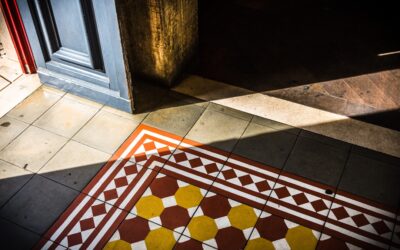
Nothing turns a plain room into something people remember quite like parquet. When people think about parquet flooring options, they often picture the old wax-yellowed squares from a 1960s rec room. The reality today is far richer: crisp herringbone in wide European oak, dramatic chevron in walnut, and reproduction basketweave tiles that snap into place over a subfloor in an afternoon. Parquet is simply wood arranged in a geometric pattern rather than long random-length planks, and that single design decision changes everything about how a floor looks and costs.
The trick is matching the pattern, wood species, and construction type to your room, your budget, and how much traffic the floor will see. The same product does not work everywhere, from grand entryways to tight city apartments. This guide walks through the patterns, the woods, solid versus engineered construction, and honest installed costs so you can plan a project that lasts decades rather than one you regret in five years.
What Parquet Flooring Actually Is
Parquet refers to any hardwood floor built from short pieces arranged in a repeating geometric motif. The pieces might be individual solid-wood fingers, small factory-assembled tiles, or engineered planks milled with angled ends. Traditional French parquet dating back to the 1600s used solid oak blocks set in patterns like Versailles panels, and those floors still survive in palaces today, which tells you something about durability when the work is done right.
Modern parquet comes in three broad formats. Mosaic or finger parquet uses small slats, often 6 to 9 inches long, glued into square tiles. Plank-based parquet uses full-size boards milled at 45 or 60 degrees to form herringbone and chevron. And panel parquet arrives as large pre-assembled squares, typically 12 by 12 inches up to 39 by 39 inches, that you install like oversized tiles. Knowing which format you’re buying matters because it dictates the subfloor prep, the adhesive, and the labor rate.
One point worth clarifying: parquet is not a gimmick veneer sticker. Real parquet is genuine hardwood, sandable and refinishable in its solid and thicker engineered forms. The pattern is structural, formed by the arrangement of real wood pieces, which is why a well-made parquet floor reads as craftsmanship the moment you walk in.
Herringbone: The Classic Choice
Herringbone is the pattern most people mean when they say they want parquet. Rectangular blocks meet at 90-degree angles in a staggered zigzag, and the effect is timeless without being trendy. It is the most common recommendation because herringbone forgives minor imperfections in a room’s squareness better than chevron does, and the blocks are cut with square ends, which reduces waste and material cost.
Block proportions change the look dramatically. A classic 2-to-1 ratio, say 4 inches wide by 8 inches long, gives a tight traditional weave. Longer blocks, like 3 by 18 inches, create a modern, elongated herringbone that suits contemporary interiors. In a small room, tighter blocks keep the scale right; in an open-plan space, larger blocks prevent the floor from looking busy. Herringbone is often laid on a diagonal to the main sightline so it draws the eye down the length of the room.
Installation is labor-intensive because every block is set individually with careful alignment, so budget more for the install than you would for standard planks. But the payoff is a floor that looks intentional and high-end, and herringbone remains the safest resale-friendly parquet choice among all the pattern options.
Chevron, Basketweave, and Specialty Patterns
Chevron takes herringbone’s zigzag and sharpens it into a continuous V. The block ends are cut at an angle, usually 45 degrees, so they meet point-to-point in unbroken lines running the length of the room. It’s more formal and more dramatic than herringbone, but the angled cuts create more offcut waste and demand a dead-square room, so both material and labor run higher. When the goal is that magazine-cover look and the budget allows, chevron delivers.
Basketweave arranges pairs of blocks alternating horizontal and vertical, sometimes with a contrasting dot of wood or stone at the intersections, mimicking a woven texture. It reads more casual and works beautifully in kitchens, mudrooms, and period homes. Brick and double-herringbone variations add subtle rhythm without shouting.
At the luxury end sit the Versailles and Chantilly panels, large squares with intricate interior lattices framed by borders. These are the crown jewels of parquet, and they come priced accordingly. Versailles panels can anchor the entire design of a formal dining room, but for most homes they’re overkill. The specialty patterns are where parquet becomes a statement rather than just a floor.
Wood Species That Work Best
White oak is the usual default for parquet, and it’s what most quality European parquet uses. It’s hard, at roughly 1,360 on the Janka scale, dimensionally stable, takes stain evenly, and its subtle grain lets the geometry lead rather than competing with busy figure. Red oak works too and costs a bit less, though its pinker tone and stronger grain suit rustic looks better than crisp modern ones.
Walnut brings deep chocolate tones and a luxurious feel, ideal for chevron in a study or formal room, but at around 1,010 Janka it’s softer, so it is best reserved for lower-traffic spaces. Maple is pale, hard, and clean-looking but notoriously blotchy under stain, so keep it natural. Exotic species like teak or wenge appear in high-end projects for their color and hardness, at a real cost premium.
Whatever species you choose, the finish matters as much as the wood. A hardwax oil finish is repairable spot by spot and gives a natural matte look that suits parquet, while a factory UV-cured polyurethane resists wear better in busy households. Match the species and finish to the room’s traffic, and the floor will age gracefully instead of showing every scuff.
Solid vs Engineered Parquet
Solid parquet is exactly what it sounds like: each piece is a single block of hardwood, typically 5/8 to 3/4 inch thick. It can be sanded and refinished many times over its life, potentially a century, and it’s the authentic choice for historic restorations. The downside is that solid wood moves with humidity, so it needs a stable indoor climate and is risky over concrete slabs or radiant heat without careful vapor management.
Engineered parquet bonds a hardwood wear layer, usually 2.5 to 6 millimeters, over a plywood or HDF core. That cross-layered construction resists seasonal expansion far better, which makes engineered the smart pick over concrete, in basements, and above radiant heating. A 4-millimeter wear layer still allows one or two light sandings, so you’re not sacrificing all longevity for stability. For most modern homes, engineered parquet is the practical default.
Cost tracks with construction and wear-layer thickness rather than a simple solid-versus-engineered rule. A premium engineered herringbone with a thick oak wear layer can cost more than a budget solid product, so read the spec sheet, not just the label. The right answer depends on your subfloor and climate more than on tradition.
Real Costs and Installation
Let’s talk money, because parquet is not cheap and you should plan realistically. Material for engineered oak herringbone typically runs 6 to 15 dollars per square foot, with solid oak parquet blocks in a similar range and Versailles panels climbing to 30 dollars or more per square foot. Reproduction peel-and-stick or click parquet tiles sit at the bottom, around 3 to 6 dollars, but they won’t match the depth of real wood.
Installation is where parquet separates itself from plank flooring. Because every piece is placed and aligned by hand, expect labor of 4 to 10 dollars per square foot for herringbone and more for chevron or panels. All in, a professionally installed engineered herringbone floor commonly lands between 12 and 25 dollars per square foot. Add subfloor leveling, since parquet is unforgiving of dips, and moisture testing over concrete.
The practical advice: get the substrate flat and dry first, buy 10 to 15 percent extra material for pattern waste and future repairs, and hire an installer who has laid parquet specifically. A skilled crew is the difference between a floor that looks custom and one that looks off. Done right, parquet is a multi-decade investment that pays back in beauty and home value, and among all your parquet flooring options it remains the format that most reliably impresses.
Choosing the Right Option for Your Home
Start with the room. High-traffic entries and kitchens want hard oak in engineered construction with a durable factory finish and a forgiving herringbone or basketweave layout. Formal, lower-traffic spaces can carry walnut chevron or a Versailles panel where drama matters more than daily abuse. Match the block scale to the room size so the pattern feels proportioned rather than cramped or sparse.
Then weigh your subfloor and climate honestly. Concrete slab, basement, or radiant heat almost always points to engineered. A stable, well-ventilated upper floor in an older home can take solid parquet and reward you with a lifetime of refinishing. When you line up pattern, species, construction, and budget against the actual conditions of your space, the right choice usually becomes obvious, and you end up with a floor that’s still turning heads long after the trends have moved on.
Prefer to explore on your own?
See how new flooring looks in your actual room in seconds — free, no signup.
Try the free Floor Studio →