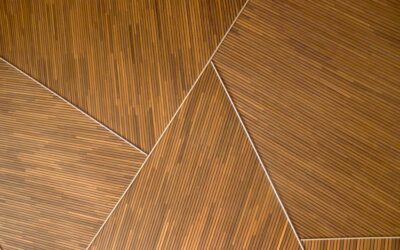
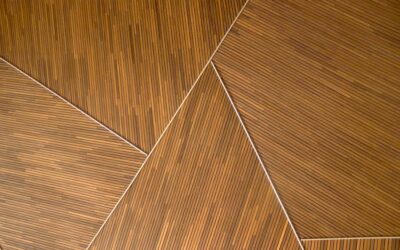
Few floors carry the heritage and character of parquetry timber flooring, where small solid wood blocks are arranged into geometric patterns rather than laid as long, straight boards. The craft dates back centuries to European palaces, yet it suits both period restorations and crisp modern interiors. Because each block is genuine solid timber, the floor can be sanded and refinished many times, giving it a lifespan measured in decades. That longevity, paired with striking pattern work, is its enduring appeal.
What Sets Solid Parquetry Apart
Traditional parquetry is built from solid hardwood blocks, typically around 5/16 to 3/4 inch thick, cut to short, uniform lengths. Those blocks are fitted together by hand into repeating patterns and bonded to the subfloor. Unlike a long-plank floor, the visual interest comes from the geometry and the way grain direction shifts from block to block.
Because the blocks are solid through their thickness, the wear surface is the whole piece, not a thin veneer. That is the defining difference from engineered versions and the reason solid parquet can be refinished repeatedly over its life.
Timber Species for Parquetry
Species choice drives both the look and the durability of the floor. Hardness, grain, and color all vary considerably:
- Oak: The classic choice, hard-wearing with a pronounced grain that takes stain beautifully.
- Walnut: Rich, dark, and softer than oak, prized for warm, formal rooms.
- Merbau and jarrah: Dense, reddish hardwoods that resist wear and bring deep color.
- Blackbutt and spotted gum: Tough, light-to-mid toned timbers popular for high-traffic areas.
- Maple and beech: Pale, fine-grained woods that suit lighter, contemporary schemes.
Harder species rated higher on the Janka scale shrug off dents and foot traffic better, which matters in busy households. Softer woods like walnut reward gentler use with unmatched depth of color.
Classic Patterns and Layouts
The pattern is where parquetry earns its reputation. The most enduring layouts include:
- Herringbone: Rectangular blocks set at right angles in an interlocking zigzag.
- Chevron: Angled blocks meeting point to point for continuous, arrow-like rows.
- Basketweave: Squares of grouped blocks alternating direction to suggest woven cane.
- Brick bond: A simpler offset layout for a quieter, traditional feel.
- Mosaic and Versailles panels: Intricate squares and framed designs for grand rooms.
A skilled installer can mix borders and feature panels, framing a room or marking a transition between spaces. That customization is something straight-laid floors simply cannot match.
Pros of Parquetry Timber Flooring
Solid parquet brings a set of advantages rooted in the material itself:
- Refinishable for decades: Solid blocks can be sanded back and recoated many times.
- Timeless character: Genuine timber patterns add value and individuality few floors achieve.
- Repairable: Damaged blocks can be lifted and replaced individually.
- Natural material: Real wood underfoot, with authentic grain, warmth, and patina that deepens with age.
Cons and Considerations
Solid parquetry asks more of the homeowner than a click-together floor. The biggest factor is movement. Solid timber expands and contracts with humidity, so it needs a stable indoor environment and careful acclimation to avoid gaps or lifting.
Keep these realities in mind:
- Higher installed cost: Materials and the labor-heavy patterned install can run $12 to $25-plus per sq ft.
- Slow, skilled installation: Hand-laying blocks into patterns takes experience and time.
- Sensitive to moisture: Not suited to bathrooms or rooms prone to standing water.
- Subfloor demands: Requires a flat, dry, stable substrate and the correct adhesive.
Sanding and Refinishing
The ability to refinish is what gives parquetry its multi-generation lifespan. When the surface dulls or scratches accumulate, a professional sands the floor flat, removing the old finish and a thin layer of wood, then applies fresh stain and protective coats.
Parquet sanding is more demanding than sanding straight boards because the grain runs in many directions. A skilled operator works the floor in stages, often at a 45-degree angle to the pattern, to avoid scratching across the grain. Done well, a refinish can be repeated several times over the floor’s life, so long as enough thickness remains above the tongue or the glue line.
Installation and Subfloor Requirements
Laying solid parquetry is skilled, methodical work. Most installers glue the blocks to a prepared subfloor using a flexible wood-flooring adhesive, working out from a centered chalk line so the pattern stays true across the room. Any drift early on multiplies into crooked rows later, which is why experience matters so much with parquet.
The subfloor must be flat, dry, and structurally sound. Aim for no more than about 3/16 inch of variance over 10 feet, and test concrete slabs for moisture before any adhesive goes down. Acclimate the timber in the room for several days, ideally 48 to 72 hours, so the blocks reach equilibrium with the home’s humidity. Skipping acclimation invites gaps in dry months and tight, lifting joints in humid ones.
Cost and Budgeting
Solid parquetry sits near the top of the flooring market. Material and the labor-heavy patterned install commonly run $12 to $25-plus per sq ft combined, with premium species, intricate Versailles panels, and custom borders climbing higher. The hand-laying of small blocks into a geometric pattern is far slower than nailing down long boards, and that time shows up in the quote.
To budget well, separate material from labor and add 10 to 15 percent overage for the waste that angled cuts and pattern matching create. Factor in subfloor preparation and any moisture mitigation. Remember that the high upfront cost buys a floor that can be refinished for generations, so weigh the price against decades of use rather than the install year alone.
Traditional Versus Modern Applications
In period homes, parquetry is often used to restore or echo original floors, with oak herringbone or Versailles panels reinforcing the heritage feel. The patterns and borders match the architecture and add authenticity.
In contemporary spaces, designers lean on the same patterns for contrast, pairing wide chevron in pale oak with minimalist walls and modern lighting. Whether you are restoring a historic interior or building something new, parquetry timber flooring offers a hand-crafted, long-lasting surface. Just confirm your species, pattern, and installer experience up front, keep indoor humidity steady between 35 and 55 percent, and budget for the skilled labor a quality pattern install requires.
Prefer to explore on your own?
See how new flooring looks in your actual room in seconds — free, no signup.
Try the free Floor Studio →