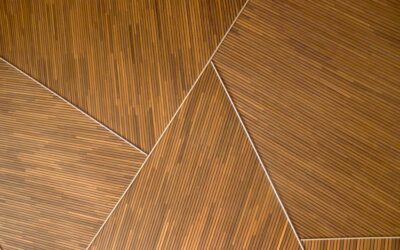
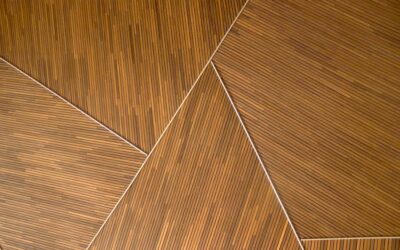
Parquetry flooring transforms ordinary wood planks into geometric works of art. By arranging small pieces of hardwood into repeating patterns, parquet floors add a level of visual sophistication that standard plank installations simply cannot match. From the grand hallways of European palaces to trendy urban apartments, parquetry has maintained its appeal for centuries.
This guide explains what parquetry flooring is, walks through the most popular patterns, compares materials and costs, and covers everything you need to know before committing to this distinctive floor style.
What Is Parquetry Flooring?
Parquetry is a woodworking technique that uses small blocks, strips, or tiles of wood arranged in decorative geometric patterns. The word comes from the French “parquet,” meaning a small enclosed space. Unlike standard hardwood flooring where planks run in a single direction, parquetry relies on changes in wood grain direction to create visual interest.
Traditional parquetry uses solid wood blocks, typically three-eighths to three-quarters of an inch thick. Modern versions are also available in engineered wood construction, where a hardwood veneer is bonded to a plywood or HDF substrate. Engineered parquet is more dimensionally stable and often easier to install.
Popular Parquetry Flooring Patterns
Herringbone
Herringbone is the most recognized parquetry pattern. Rectangular blocks are arranged in a zigzag formation where each piece meets the next at a 90-degree angle, creating a V-shaped pattern that repeats down the length of the floor. Herringbone adds movement and directionality to a room and works beautifully in both traditional and contemporary settings.
Standard herringbone blocks are typically two to three inches wide and ten to twenty inches long, though sizes vary. The pattern can be set straight along the walls or rotated at a 45-degree angle for a more dramatic diagonal presentation.
Chevron
Chevron looks similar to herringbone at first glance, but the pieces are cut at an angle (usually 45 or 60 degrees) so they meet in a clean, pointed V rather than a staggered zigzag. This creates a more streamlined and modern appearance. Chevron is popular in high-end residential projects and commercial spaces that want to make a design statement.
Basket Weave
The basket weave pattern alternates groups of parallel strips laid horizontally and vertically, mimicking the over-under pattern of a woven basket. It is one of the simpler parquetry patterns but delivers a classic look that complements traditional and transitional interiors.
Versailles
The Versailles pattern originated in the Palace of Versailles in the 17th century. It features large square panels with an interlocking diagonal lattice pattern inside each panel. Versailles parquetry is among the most ornate and expensive options, typically reserved for luxury homes and historic renovations.
Brick Pattern
Also called a running bond, the brick pattern offsets rectangular blocks in a staggered formation similar to how bricks are laid in a wall. It is the simplest parquetry pattern and serves as a good entry point for homeowners who want something more interesting than straight planks without the complexity of herringbone or chevron.
Hungarian Point
Hungarian point uses parallelogram-shaped pieces arranged in a zigzag. The angle of the cut is typically steeper than chevron, creating a more elongated and dramatic V pattern. It is less common than herringbone and chevron but gaining popularity in European-inspired design schemes.
Wood Species for Parquetry
Almost any hardwood can be used for parquetry, but some species work better than others due to their stability, hardness, and grain pattern.
- Oak: The most popular choice for its balance of hardness, availability, and attractive grain. Both white and red oak are widely used.
- Walnut: Rich chocolate-brown tones provide a luxurious contrast, especially in mixed-species patterns.
- Maple: Light color and fine grain work well for contemporary interiors.
- Teak: Naturally oily and moisture resistant, teak is used in parquetry for high-end or humid environments.
- Cherry: Warm reddish tones that deepen over time, adding character as the floor ages.
Some parquetry designs combine two or more species to create contrast within the pattern. For example, a herringbone floor might alternate walnut and oak blocks for a striking two-tone effect.
Solid vs. Engineered Parquetry
Solid Parquetry
Solid parquet blocks are milled from a single piece of hardwood. They can be sanded and refinished multiple times, and they deliver the authentic feel of real wood throughout. However, solid parquetry is more sensitive to humidity changes and requires a stable environment and a wooden subfloor for best results.
Engineered Parquetry
Engineered wood flooring parquetry uses a real wood veneer over a multi-layer core. This construction provides better dimensional stability, making it suitable for concrete subfloors, basements, and radiant heating systems. Many engineered parquet products come pre-assembled into panels that speed up installation significantly.
Cost of Parquetry Flooring
Parquetry typically costs more than standard plank flooring due to the additional material and labor involved. Here are approximate cost ranges for 2026:
- Engineered parquet tiles: $6 to $15 per square foot
- Solid parquet blocks: $8 to $18 per square foot
- Premium patterns (Versailles, custom designs): $15 to $40+ per square foot
- Installation labor: $5 to $12 per square foot, depending on pattern complexity
Herringbone and chevron installations generally cost more for labor because each piece must be individually placed and aligned. Simpler patterns like basket weave and brick can be installed more quickly.
Installation Considerations
Subfloor Requirements
The subfloor must be flat, dry, and structurally sound. Parquetry is less forgiving of subfloor imperfections than plank flooring because the geometric patterns make any unevenness or misalignment immediately visible. Most professionals recommend leveling the subfloor to within 1/8 of an inch over 10 feet for parquetry installations.
Layout Planning
Careful layout planning is essential. The pattern should be centered in the room, and the starting line must be perfectly straight and square. Many installers snap chalk lines and dry-lay a section of the pattern before committing to adhesive. Mistakes are difficult to correct once the glue sets.
Adhesive vs. Nail-Down
Most parquetry is glued down using a flexible urethane adhesive. Nail-down installation is possible with solid blocks but less common because the small piece sizes make nailing impractical for some patterns. Floating installation is available for some engineered click-lock parquet products.
Finishing
Unfinished parquetry is sanded and finished in place after installation. This allows for a perfectly smooth, seamless surface with the exact sheen and color the homeowner wants. Prefinished parquetry tiles save time but may have micro-beveled edges that create small grooves between pieces.
Maintaining Parquetry Floors
Parquetry requires the same maintenance as any hardwood floor:
- Sweep or dust mop regularly to remove abrasive particles
- Damp mop with a pH-neutral hardwood cleaner
- Avoid excessive water, which can seep between blocks and cause swelling
- Use felt pads under furniture legs
- Maintain consistent indoor humidity between 35 and 55 percent
- Refinish when the surface shows significant wear, typically every eight to fifteen years
One thing to watch for with parquetry is that the multi-directional grain pattern means sanding must be done carefully. A skilled professional will use a random orbital sander or sand at a diagonal to avoid creating visible scratches that follow one grain direction.
Parquetry Flooring Pros and Cons
Pros
- Stunning visual impact that elevates any room
- Timeless design with centuries of proven appeal
- Available in numerous patterns for different styles
- Can be sanded and refinished like any hardwood
- Adds significant value to a home
Cons
- Higher material and installation costs
- More complex and time-consuming to install
- Requires a very flat subfloor
- Pattern misalignment is immediately noticeable
- Not ideal for areas with high moisture or temperature fluctuations
Where to Use Parquetry Flooring
Parquetry works best in spaces where the pattern can be fully appreciated: living rooms, dining rooms, entryways, hallways, and home offices. It also makes a statement in commercial settings like boutique hotels, restaurants, and upscale retail stores.
For kitchens, parquetry can work if an engineered product is used and spills are cleaned promptly. Bathrooms and laundry rooms are better served by waterproof flooring options. Basements can accommodate engineered parquetry if moisture levels are controlled.
Final Thoughts
Parquetry flooring sits at the intersection of craftsmanship and design. Whether you choose a classic herringbone, a sleek chevron, or an ornate Versailles panel, parquet transforms a floor from a functional surface into a design feature. It costs more and demands more from the installer, but the result is a floor with personality and prestige that few other options can match.
Prefer to explore on your own?
See how new flooring looks in your actual room in seconds — free, no signup.
Try the free Floor Studio →