Patterned carpet adds depth and personality to a floor that a solid color simply cannot, and it hides everyday dirt and footprints far better than a plain carpet ever will. From the subtle tone-on-tone texture of a tweedy Berber to bold geometrics and florals, pattern lets you make a statement or quietly elevate a room. The key is matching the scale and boldness of the pattern to the space so it reads as intentional rather than overwhelming. Here is how to choose and use it.
Why Choose a Patterned Carpet
Beyond looks, pattern is practical. A patterned carpet disguises crumbs, pet hair, vacuum lines, and traffic wear, which makes it a smart pick for busy households and high-traffic rooms. The visual movement of a pattern draws attention away from the inevitable spots and footprints that show glaringly on a solid carpet.
Pattern also adds architectural interest. In a room with plain walls and simple furniture, a patterned floor becomes the design anchor and gives the whole space a finished, considered feel.
Common Pattern Styles
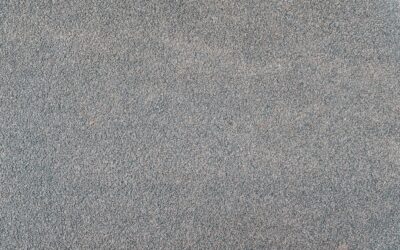
- Tone-on-tone texture: Subtle patterns created by varying loop and pile height in a single color, like a herringbone or pin-dot effect. Quiet and versatile.
- Geometric: Trellis, lattice, chevron, and grid patterns that read modern and structured.
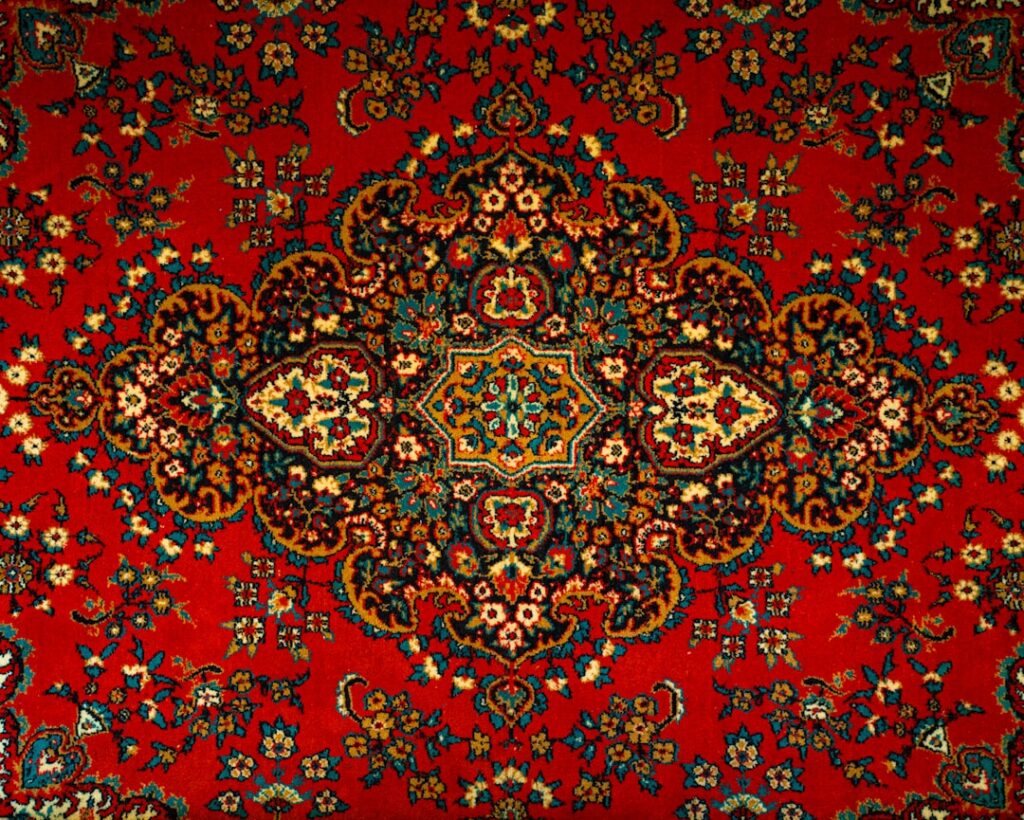
- Floral and organic: Softer, traditional motifs that bring warmth, often used in formal rooms and bedrooms.
- Striped: Linear patterns that can lengthen a hallway or widen a room depending on direction.
- Berber and loop: Flecked, speckled loop carpets whose mixed colors form a built-in subtle pattern.
Matching Pattern Scale to the Room
Scale matters more than almost anything. Large, bold patterns make a statement and suit big, open rooms where they have space to breathe, but they can overwhelm a small space. Small or subtle patterns work nearly anywhere and are the safer choice for compact rooms and for buyers worried about tiring of a look.
Consider the room’s purpose too. Energetic geometrics suit family rooms, playrooms, and home offices, while softer patterns calm bedrooms and formal living spaces. In a stair runner, a tight repeating pattern looks crisp and traditional and hides wear on the most heavily traveled surface in the house.
Best Rooms for Patterned Carpet
Stairs and hallways are ideal because pattern hides the concentrated wear these areas endure. Family rooms and basements benefit from the dirt-disguising quality of pattern in spaces where life gets messy. Bedrooms can carry a bolder or softer pattern since the foot traffic is lighter and the room is more personal.
Pattern also shines in spaces where you want carpet to be the focal point and the rest of the decor is intentionally simple. Just be mindful in very small rooms, where a large pattern can shrink the space visually.
Coordinating With Your Decor
Pattern works best when the surrounding elements stay relatively calm. Pair a bold patterned carpet with solid-color walls and upholstery so the floor leads and nothing fights it. If you love mixing patterns, vary the scale, a large carpet pattern with smaller-scale pillows or drapes, and keep a shared color thread between them.
For a subtle look that still adds interest, a tone-on-tone textured carpet in a neutral color gives you pattern without commitment and coordinates with almost anything. This is the path many homeowners choose when they want longevity and resale-friendliness.
Installation and Seam Considerations
Patterned carpet requires more careful installation than a solid. Patterns must be aligned and matched at the seams, which takes extra material and skill, so expect a bit more waste and a slightly higher install cost. Always work with an installer experienced in pattern matching, and order enough carpet to allow for proper repeats and seam alignment.
Larger or directional patterns are less forgiving, so a good installer will plan the layout carefully to keep the pattern centered and the seams as invisible as possible.
Care and Cost
Patterned carpet is cleaned like any carpet, with regular vacuuming and prompt spot treatment of spills, and its pattern conveniently masks minor stains between deep cleanings. Cost varies widely by fiber and construction, but expect to pay somewhat more than a comparable solid carpet due to the added material for pattern matching and the more involved installation. The payoff is a floor that hides wear, lasts visually longer, and gives a room real character.
Using Direction and Color to Shape a Room
Pattern direction is a quiet design tool. Stripes or directional patterns running the length of a hallway make it feel longer, while running them across a narrow room makes it feel wider. In a square room, a centered geometric repeat can reinforce symmetry and calm. Thinking about how the eye travels across the pattern lets you correct a room’s proportions without moving a single wall.
Color within the pattern matters too. A low-contrast pattern, where the colors sit close together in tone, reads as subtle texture and forgives wear and dirt while staying easy to decorate around. A high-contrast pattern makes a strong statement but shows imperfections more and can feel busy in a small space. Choose contrast based on how much you want the floor to assert itself.
Patterned Carpet vs. a Patterned Rug
If you love pattern but are nervous about committing to it wall to wall, a patterned area rug over neutral carpet or hard flooring is a lower-risk alternative. A rug delivers the same visual interest, is far cheaper to swap when your taste changes, and lets you concentrate the pattern exactly where you want it. Wall-to-wall patterned carpet, by contrast, gives a seamless, built-in look and covers the entire floor for warmth and sound control.
For long-term spaces where you want a cohesive, finished feel, wall-to-wall patterned carpet is worth the investment, particularly on stairs and in hallways where it hides wear. For flexibility and lower cost, layering a patterned rug keeps your options open while still adding the depth that pattern brings.
Final Word
Patterned carpet combines beauty with the very practical benefit of hiding dirt and wear. Match the pattern scale to your room size and purpose, keep surrounding decor simple so the floor can lead, and hire an installer who can align patterns cleanly at the seams. Whether you want a bold geometric statement or a quiet tone-on-tone texture, the right patterned carpet adds depth and durability that a solid color cannot match.