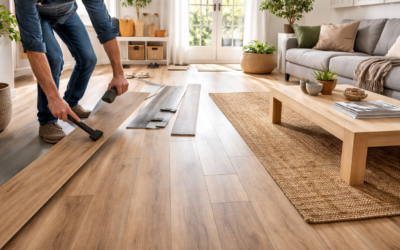
Pergo laminate flooring holds a unique place in the flooring world — the company literally invented laminate flooring in 1977. Decades later, Pergo remains one of the most recognized and trusted names in the industry, offering a broad range of collections that balance style, durability, and affordability.
Whether you are renovating a single room or reflooring an entire house, this guide will walk you through Pergo’s product lines, standout features, installation process, and realistic pricing so you can make a confident decision.
- A Brief History of Pergo
- Pergo Laminate Collections
- Why Homeowners Choose Pergo
- How to Install Pergo Laminate Flooring
- Pergo Laminate Pricing
- Pros of Pergo Laminate Flooring
- Cons of Pergo Laminate Flooring
- How Pergo Compares to Other Laminate Brands
- Maintenance Tips for Pergo Floors
- Final Verdict: Is Pergo Worth It?
- Frequently Asked Questions
A Brief History of Pergo
Pergo was founded in Sweden and introduced the first commercial laminate floor to the market in the late 1970s. The brand has since been acquired by Mohawk Industries, one of the largest flooring manufacturers in the world. That corporate backing means Pergo benefits from massive R&D investment and global distribution. Today, you can find Pergo products at Lowe’s, Home Depot, independent flooring retailers, and online.
Pergo Laminate Collections
Pergo Outlast+
Outlast+ is Pergo’s flagship waterproof laminate line. It uses SpillProtect24 surface technology and a watertight locking system to resist moisture for up to 24 hours. Key details include:
- 10 mm thickness with attached underlayment
- AC4 durability rating (suitable for general commercial traffic)
- Wide selection of oak, hickory, and walnut visuals
- Price range: approximately $3.00 to $4.00 per square foot
Outlast+ is ideal for kitchens, entryways, and living rooms where occasional spills are expected.
Pergo TimberCraft + WetProtect
This premium collection pushes waterproof performance even further with WetProtect technology, which guards the surface and all four edges against water penetration. Standout features:
- 12 mm thickness for a more substantial, wood-like feel underfoot
- Extra-wide and extra-long planks for a modern farmhouse aesthetic
- Realistic registered embossed textures
- AC5 commercial-grade durability rating
- Price range: approximately $4.00 to $5.50 per square foot
Pergo Defense+
Defense+ is Pergo’s newer mid-range offering with antimicrobial surface protection. It bridges the gap between Outlast+ and TimberCraft with solid waterproofing and a durable wear layer at a competitive price point.
Pergo Elements
The most budget-friendly Pergo line, Elements offers basic laminate construction without the advanced waterproof features. It works well in bedrooms and closets where moisture exposure is minimal.
Why Homeowners Choose Pergo
Industry-Leading Durability
Pergo’s higher-end collections carry AC4 and AC5 durability ratings, which measure resistance to abrasion, impact, staining, and burn. An AC5 rating means the floor can handle heavy commercial foot traffic, so residential use is well within its capabilities. For households with kids and pets, this translates to a floor that stands up to daily abuse.
Waterproof Performance
Traditional laminate flooring has always had an Achilles’ heel: water. Pergo addressed this head-on with its Outlast+ and WetProtect technologies. While no laminate is designed for full submersion, Pergo’s top collections handle spills, pet bowls, and wet shoes far better than older laminate products.
Realistic Wood Looks
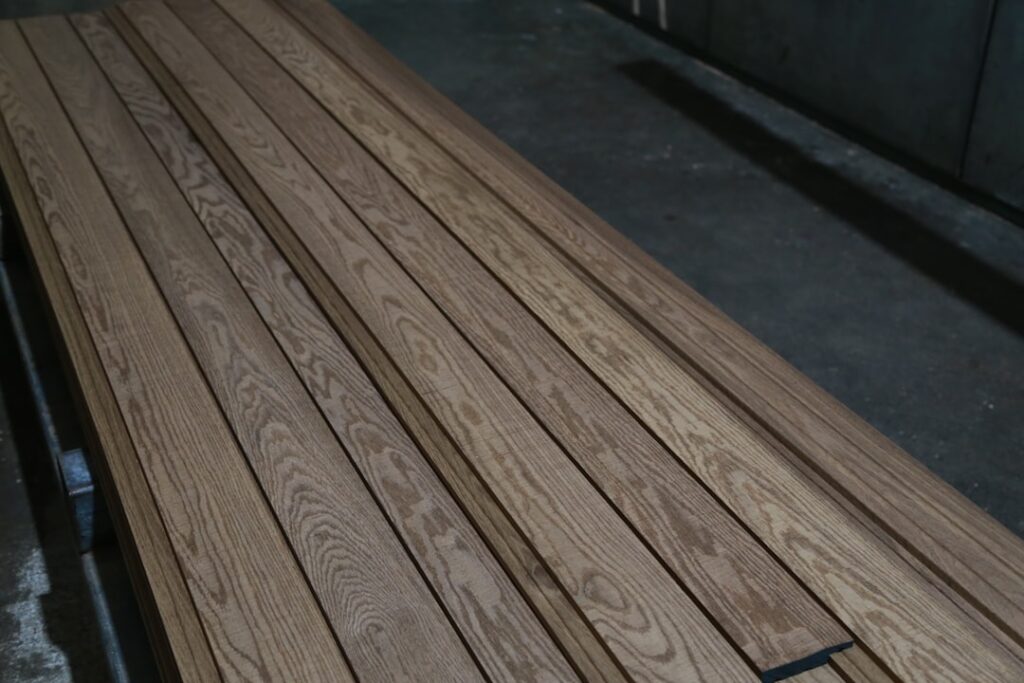
Pergo uses high-resolution photographic layers and registered embossing to mimic the grain, knots, and color variation of real hardwood flooring. The TimberCraft line is particularly convincing, with deep texture that tracks the printed grain pattern plank by plank.
Easy Click-Lock Installation
All Pergo laminate products feature the Uniclic locking system, which allows planks to click together without glue. This floating-floor method is fast, forgiving, and well-suited to DIY installation.
How to Install Pergo Laminate Flooring
Tools and Materials You Will Need
- Tape measure and pencil
- Spacers (1/4 inch)
- Tapping block and pull bar
- Miter saw or circular saw
- Utility knife
- Underlayment (if not pre-attached)
Subfloor Preparation
The subfloor must be clean, dry, and flat within 3/16 inch over 10 feet. Pergo laminate can be installed over concrete, plywood, existing vinyl, and tile. Remove carpet and carpet padding before installation. Test concrete subfloors for moisture using a calcium chloride test and ensure readings fall below Pergo’s specified thresholds.
Installation Steps
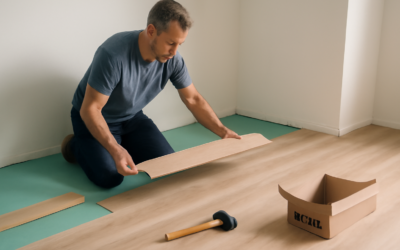
- Acclimate planks in the room for 48 hours at normal living conditions.
- Roll out underlayment if your Pergo product does not include a pre-attached pad. Tape seams with manufacturer-approved tape.
- Begin along the longest wall, placing spacers for the expansion gap.
- Click the long side of each plank into the previous row at an angle, then press flat. Tap the short ends together using a tapping block.
- Stagger end joints by at least 12 inches between adjacent rows.
- Cut the final row to width and use a pull bar to close the joint.
- Install transitions, baseboards, and quarter-round to conceal expansion gaps.
Most homeowners can complete a standard-sized room in a single day. For large open-concept spaces, plan for a full weekend.
Pergo Laminate Pricing
Pergo’s pricing varies by collection and retailer:
- Pergo Elements: $1.50 to $2.50 per square foot
- Pergo Outlast+: $3.00 to $4.00 per square foot
- Pergo Defense+: $3.50 to $4.50 per square foot
- Pergo TimberCraft + WetProtect: $4.00 to $5.50 per square foot
Professional installation typically adds $2.00 to $4.00 per square foot depending on your region and the complexity of the layout.
For homeowners on a tight budget, consider shopping during seasonal sales or looking into wholesale laminate flooring options for bulk discounts.
Pros of Pergo Laminate Flooring
- Proven brand heritage with over 45 years of laminate manufacturing experience
- Strong waterproof options that address laminate’s traditional weakness
- High durability ratings (AC4 and AC5) for long-lasting performance
- Wide retail availability at major home improvement stores and independent dealers
- Straightforward DIY installation with the Uniclic click-lock system
- Comprehensive warranties up to lifetime residential coverage
Cons of Pergo Laminate Flooring
- Premium collections are pricey — TimberCraft can approach the cost of entry-level engineered hardwood
- Cannot be refinished — unlike solid hardwood, laminate must be replaced when worn
- Sound can be hollow — floating installation over hard subfloors may produce a clicking sound without adequate underlayment
- Not suitable for outdoor use or areas with standing water
- Budget lines lack waterproofing — the Elements collection is not water-resistant
How Pergo Compares to Other Laminate Brands
Pergo competes primarily with brands like Mohawk RevWood (a sibling brand), Quick-Step, and store brands like TrafficMaster. Pergo generally edges out competitors on waterproof technology and wear-layer thickness, but it comes at a slight price premium. If waterproofing is your top concern and you want to explore beyond laminate entirely, our laminate flooring vs. vinyl comparison is worth a read.
Maintenance Tips for Pergo Floors
- Sweep or vacuum with a hard-floor setting regularly
- Use a damp (not wet) microfiber mop for deeper cleaning
- Avoid wax, polish, or abrasive cleaners
- Place felt pads under furniture and use rugs in high-traffic zones
- Wipe up spills promptly, even on waterproof collections
Final Verdict: Is Pergo Worth It?
Pergo laminate flooring remains one of the best laminate options on the market in 2026. The brand’s commitment to waterproof innovation and high durability ratings sets it apart from budget competitors, while its pricing stays accessible to most homeowners. Pergo Outlast+ is the sweet spot for most households, and TimberCraft suits anyone who wants the closest laminate approximation to real hardwood.
Explore more options in our guides to laminate flooring, vinyl flooring, and hardwood flooring to find the best match for your project.
Frequently Asked Questions
How much does Pergo flooring cost installed?
Pergo laminate usually runs about $3.50 to $9.50 per square foot installed, combining roughly $1.50 to $5.50 for the planks with $2 to $4 for professional labor. Elements sits at the low end and TimberCraft with WetProtect at the high end. Removing old flooring, leveling the subfloor, and adding trim raise the total, while a DIY install cuts out labor.
Does Pergo laminate need underlayment?
Yes, every Pergo floating floor needs a pad under it, but many collections come with underlayment pre-attached, so nothing extra is required. For boards without a pad, use a laminate underlayment the manufacturer approves, and over concrete add a moisture barrier if the pad does not include one. Never stack a second pad under an attached one, which makes joints flex and fail.
How do you fix a damaged Pergo plank?
Small scratches and chips can be hidden with laminate repair markers, wax filler sticks, or color-matched putty. A plank that is swollen, cracked, or deeply gouged is replaced, either by unclicking rows from the nearest wall or by cutting out the damaged board and gluing in a new one with its locking lip trimmed. Keep spare planks from the original lot for an exact match.
Can you paint Pergo laminate floors?
It is possible but rarely worth it, because paint does not bond well to the hard, sealed laminate surface and tends to chip and wear in walkways. Success requires thorough cleaning, light scuff sanding, a bonding primer made for slick surfaces, and a durable floor topcoat. Painting will also void the warranty, so replacing worn areas is usually the better long-term choice.
Prefer to explore on your own?
See how new flooring looks in your actual room in seconds — free, no signup.
Try the free Floor Studio →