A picture window with double hung flankers is one of the most popular and practical window configurations in American homes, and for good reason. It pairs a large, fixed center pane that frames an unobstructed view with two operable double-hung windows on either side that provide fresh air and ventilation. The result is the best of both worlds: expansive glass and natural light without sacrificing the ability to open your windows. This guide explains how the configuration works, sizing and cost considerations, energy efficiency, and design ideas to help you decide if it fits your home.
Part of our Windows & Doors guide — explore the full guide →
- What This Configuration Is
- Why Homeowners Choose It
- Ventilation and the Double-Hung Advantage
- Sizing and Proportions
- Energy Efficiency Considerations
- Cost Expectations
- Design and Style Ideas
- Installation and Maintenance
- Comparing to Other Window Combinations
- Choosing Frame Colors and Grilles
- Is It Right for Your Home?
What This Configuration Is
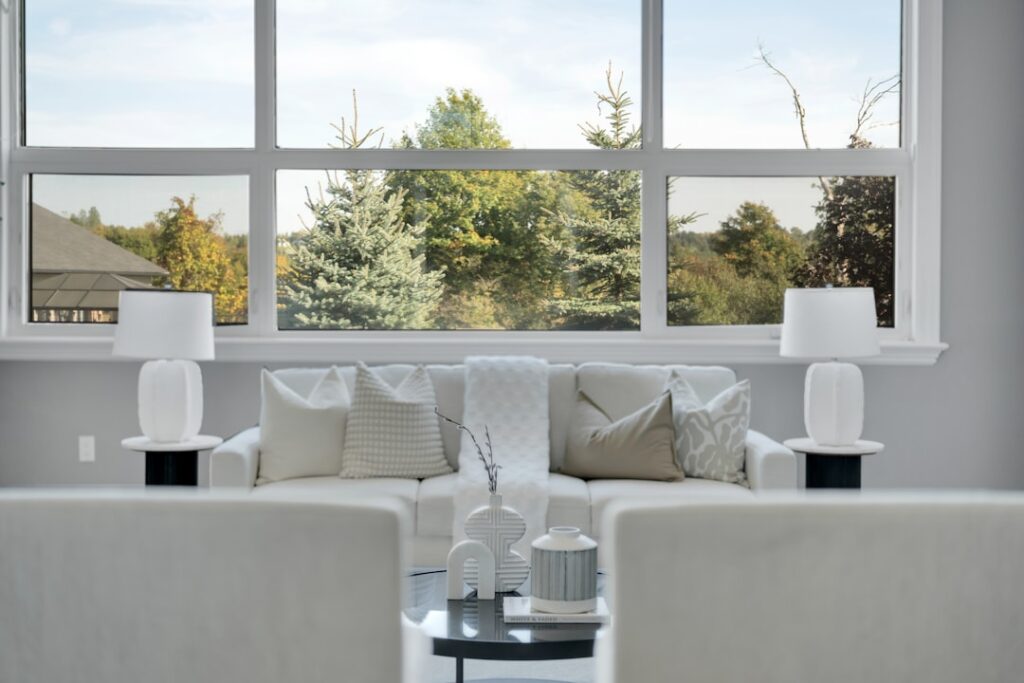
The layout consists of three windows mulled (joined) together into a single wide unit. The center is a picture window, a fixed pane that does not open, maximizing glass area and view. Flanking it on each side is a double-hung window, which has two sashes that slide vertically, allowing both the top and bottom to open. The flankers handle ventilation and, in an emergency, can serve as egress if properly sized, while the picture window handles the view and light.
This combination is especially common in living rooms, dining rooms, and great rooms where homeowners want a dramatic focal point along with everyday functionality. It is sometimes called a “picture window with double-hung sidelites” or a three-lite combination window.
Why Homeowners Choose It
The appeal comes down to balance. Consider the main benefits:
- Unobstructed views: The fixed center pane has no rails or meeting rail interrupting the sightline, making it ideal for scenic outlooks.
- Ventilation: The double-hung flankers open for cross-breezes, which a solo picture window cannot provide.
- Natural light: The wide expanse of glass floods the room with daylight.
- Energy efficiency: Fixed picture windows are among the most airtight window types since they do not open, reducing air leakage.
- Classic proportions: The symmetrical three-part layout suits traditional, colonial, craftsman, and transitional architecture.
Ventilation and the Double-Hung Advantage
Double-hung flankers offer more than just openable glass. Because both sashes move, you can open the top sash to let hot air escape near the ceiling while drawing cooler air through the bottom, creating natural convection without a fan. This is a genuine advantage over single-hung or fixed sidelites. Double-hung sashes also tilt inward on most modern units, making cleaning the exterior glass possible from inside, a real convenience on upper floors.
Sizing and Proportions
Getting the proportions right is key to a balanced look. The picture window is usually the widest element, often twice the width of each flanker or more, though the exact ratio depends on the wall and your taste. Standard combination units span roughly 6 to 9 feet wide overall, but custom sizes are common since this is frequently a feature window. Height typically matches the room’s other windows for visual continuity.
When sizing the double-hung flankers, check local egress requirements if the window serves a bedroom. Egress codes generally require a minimum clear opening, so the flankers may need to be large enough to meet that standard even though the center picture window cannot open.
Energy Efficiency Considerations
This configuration can be quite efficient if you choose the right glass and frames. Look for double- or triple-pane insulated glass with a low-emissivity (low-E) coating and argon or krypton gas fill between panes. Because the large picture window is fixed and sealed, it leaks very little air; the flankers are where weatherstripping quality matters most. Check the National Fenestration Rating Council (NFRC) label for U-factor (lower is better for insulation) and Solar Heat Gain Coefficient (choose based on your climate; lower for hot regions, higher for cold ones seeking passive solar warmth).
Frame material also affects performance. Vinyl and fiberglass frames insulate better and need less maintenance than aluminum, while wood offers classic looks with more upkeep. Fiberglass is prized for strength and stability in large mulled units like this one.
Cost Expectations
Because this is a multi-window unit, cost is higher than a single window but delivers a major visual impact. For the window itself, expect roughly $800 to $2,500 depending on size, frame material, glass package, and brand. Professional installation typically adds $500 to $1,500, especially since the large, heavy mulled unit often requires two or more installers and careful structural support. Replacing an existing similar opening is cheaper than creating a new one, which may involve framing, headers, and drywall work that pushes total project costs higher.
Design and Style Ideas
This window is a design opportunity. Consider grilles or grid patterns on the double-hung flankers while leaving the picture window clear, a classic look that adds architectural detail without blocking the main view. Match the window’s proportions to your room’s ceiling height, and use trim, a window seat, or interior casing to make it a true focal point. For contemporary homes, choose slim frames and no grilles to emphasize the clean expanse of glass. Coordinating the flankers’ hardware finish with other fixtures in the room ties the whole space together.
Installation and Maintenance
Installation should account for the unit’s weight and width. Proper flashing, a level and plumb rough opening, and adequate structural header support above are essential, since a wide window carries significant load. Most homeowners hire professionals for this reason. Once installed, maintenance is modest: clean the glass regularly, lubricate the double-hung tracks occasionally, inspect and refresh exterior caulk and weatherstripping every few years, and check that the flankers open and lock smoothly. The tilt-in feature on the double-hungs makes routine glass cleaning easy.
Comparing to Other Window Combinations
It helps to see how this layout stacks up against alternatives. A picture window with casement flankers swaps the vertically sliding double-hungs for side-hinged casements that crank open, offering the widest ventilation opening and a tight seal, though casements project outward and suit more contemporary homes. A three-panel slider provides a modern, horizontal look but lacks the traditional charm and the top-and-bottom airflow of double-hungs. A bay or bow window pushes outward from the wall for added interior space and a panoramic effect but costs considerably more and requires structural support. A solo picture window maximizes the view at the lowest cost but offers no ventilation at all. The picture-with-double-hung-flankers configuration hits a sweet spot for traditional and transitional homes, delivering a big view, real ventilation, classic proportions, and a reasonable price relative to bays and bows, which is exactly why it remains so widely specified in American homes.
Choosing Frame Colors and Grilles
Beyond performance, the appearance details make this window feel custom. Frame color is increasingly flexible: white and almond remain classic and bright, but black and dark bronze exteriors have become highly popular for a striking, modern-yet-timeless contrast against light siding, and many manufacturers offer a different interior color, such as white or wood-tone inside with black outside. Grille patterns add character and should suit your home’s style; colonial grids divide each sash into rectangles for a traditional look, prairie grilles place lines only near the perimeter for a craftsman feel, and no grilles at all give a clean contemporary appearance. A common and elegant approach is to add grilles to the double-hung flankers while leaving the picture window clear, preserving the unobstructed central view while adding detail to the sides. Coordinate the grille pattern with the rest of your home’s windows so the new unit looks original rather than added on.
Is It Right for Your Home?
A picture window with double-hung flankers is an excellent choice when you have a view worth framing and still want the option of fresh air and cross-ventilation. It suits living and dining rooms beautifully and adds resale-friendly curb appeal. Invest in a quality low-E, gas-filled glass package and durable frames, size the flankers to meet egress if needed, and budget for professional installation of the heavy mulled unit. Do that, and you will enjoy sweeping views, abundant light, and everyday ventilation for decades.