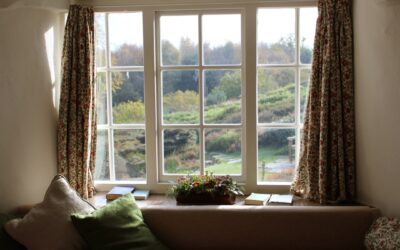
If you want an unobstructed view and fresh air at the same time, a casement picture window combination gives you both by pairing a large fixed center pane with crank-out casements on the sides. That layout is why the casement picture window combination has become a go-to for living rooms, kitchens, and great rooms where homeowners refuse to trade daylight for ventilation. This guide covers how the combination works, common configurations, energy performance, sizing, and realistic costs.
Part of our Windows & Doors guide — explore the full guide →
The idea is straightforward. The picture window in the middle is a single fixed pane of glass that maximizes the view and lets in the most light. Flanking it, one or two casement windows crank open on hinges to catch a breeze. Together they read as one wide, architectural window while still functioning like operable units.
How the Combination Works
A picture window does not open. Because it has no moving sash, it can use a larger, uninterrupted pane and typically seals tighter than any operable window, which helps its energy performance. A casement window, by contrast, is hinged on one side and swings outward when you turn a crank handle. When closed, the sash presses against the frame gaskets, creating a strong seal that also resists air infiltration well.
Combining the two lets you keep the big, clean sightline in the center while placing operable units where you actually want airflow. In a kitchen, for example, a casement over the counter is easy to crank open with one hand, even reaching across a sink, which is far more convenient than sliding a heavy double-hung sash.
There is a security and weather benefit worth noting too. Because a casement’s sash presses tightly against the frame when closed and locks at multiple points, it is harder to force open than a sliding window and seals well against wind-driven rain. When a storm rolls in, you simply crank the casements shut and the whole combination becomes a tight, weathertight wall of glass. That combination of a fixed pane’s superior seal and a casement’s multi-point lock makes these units perform well in demanding climates, from hot and humid coastal areas to cold northern winters.
Common Configurations
Combinations are built to order, but a few layouts show up repeatedly:
- Casement, picture, casement: The classic three-wide layout with a fixed pane in the middle and venting units on both ends. Balanced and symmetrical.
- Picture, casement: A two-wide unit where one large fixed pane pairs with a single operable casement, useful in tighter walls.
- Stacked with transoms: A picture window topped or flanked by smaller fixed or awning units for a taller, grander opening.
The right layout depends on your wall width, the view you want to preserve, and where the prevailing breeze comes from. Place the operable casements to catch cross-ventilation, and reserve the fixed pane for the best sightline.
Grille patterns and glass options let you personalize the look further. A colonial grid divides the panes into smaller lights for a traditional feel, while a clear, gridless expanse suits a modern home and maximizes the view. Some homeowners put grilles only on the casements and leave the picture pane clear, keeping the big view unobstructed while adding character to the flanking units. You can also mix obscured or frosted glass into a casement for a bathroom while keeping the picture pane clear, which shows how flexible these built-to-order assemblies really are. Talk through these choices with your supplier early, because grille style and glass type are decided at the order stage, not after the window arrives.
Energy Efficiency and Ratings
Windows are rated by the National Fenestration Rating Council, and two numbers matter most. The U-factor measures how well the window insulates, where lower is better. The solar heat gain coefficient measures how much solar heat passes through, where a lower number means less unwanted summer heat. For a large combination unit, these ratings have a real effect on comfort and energy bills because the assembly covers so much wall area.
Look for double- or triple-pane glass with a low-emissivity coating and an inert gas fill such as argon between the panes. Because the picture portion is fixed and airtight, the combination as a whole often performs better than an equivalent expanse of operable windows. In cold climates prioritize a low U-factor; in hot, sunny climates prioritize a lower solar heat gain coefficient to keep rooms cooler.
Frame Materials
The frame affects looks, maintenance, and performance:
- Vinyl: The most budget-friendly, low-maintenance, and a solid insulator. The most common choice for replacement projects.
- Fiberglass: Strong, stable across temperature swings, and paintable. A premium option that resists warping.
- Wood-clad: A wood interior for warmth with an aluminum or vinyl exterior for weather protection. The most expensive, with a traditional look.
- Aluminum: Slim and strong but conducts heat, so it needs a thermal break to perform well in extreme climates.
For a large combination unit, frame rigidity matters because the assembly is wide and heavy. Fiberglass and reinforced vinyl hold their shape well over long spans.
Sizing and Measuring
Combination windows are sized to your rough opening, so accurate measurement is essential. Measure the width and height of the opening in three places each and use the smallest measurement, because openings are rarely perfectly square. For a replacement, you also need to confirm the depth of the jamb so the new unit fits the wall thickness.
Wide combination units can be genuinely heavy, and the header above them must be sized to carry the structural load, especially on a load-bearing wall. This is where a professional installer or contractor earns their fee. Enlarging an existing opening or adding a new combination window in a load-bearing wall requires proper header sizing and framing, which should follow local building code and often a permit.
What It Costs
Because these are made-to-order assemblies, pricing spans a wide range. As planning estimates in current US pricing for the unit plus professional installation:
- Vinyl combination, three-wide: roughly $1,200 to $2,500 installed
- Fiberglass or premium vinyl: roughly $2,000 to $4,000 installed
- Wood-clad with large spans: $3,500 to $6,000 or more installed
Costs rise with overall size, the number of operable units, upgraded glass packages, and any structural framing changes. Because window pricing varies significantly by region and manufacturer and changes over time, treat these as starting figures and gather several local quotes.
Maintenance and Longevity
One of the quiet advantages of this window style is how little upkeep it demands over time. The fixed picture pane has no moving parts, so aside from cleaning the glass it essentially maintains itself. The casements do have hardware, the crank operator, the hinges, and the multi-point lock, and those benefit from occasional attention. A drop of light lubricant on the operator gears once a year keeps the crank turning smoothly, and wiping the weatherstripping keeps the seal tight.
Cleaning is easier than on many window types. Because casements swing fully open, you can reach the exterior glass from inside the room, which is a real benefit on upper floors where washing a fixed window means a ladder. The large picture pane in the center does need exterior cleaning, so plan for that on a two-story installation. Inspect the caulk and flashing around the whole unit every few years, since a wide combination window has a long perimeter to keep weathertight, and reseal any gaps promptly to prevent water intrusion.
Quality frames and glass packages carry manufacturer warranties, often covering the seal on insulated glass and the operating hardware for a period of years. Registering the windows and keeping the paperwork makes a future claim, such as a fogged pane from a failed seal, far simpler to resolve. Confirm the specific warranty terms with the manufacturer, since coverage varies by brand and frame material.
Choosing the Right Combination
Start with the room’s needs. For a living room where the view is everything, weight the layout toward a large picture pane with modest flanking casements. In a kitchen or bedroom where airflow matters more, add a second operable casement. Consider the exterior too: casements swing outward, so make sure they will not open into a walkway, deck railing, or patio traffic path.
A casement picture window combination is one of the more rewarding window upgrades because it solves the classic tension between view and ventilation. Choose energy ratings that match your climate, pick a frame material that fits your budget and maintenance tolerance, and let a qualified installer handle the header and flashing so the unit is weathertight for the long haul. Measure carefully, plan the venting for cross-breeze, and you end up with a window wall that lights up the room and still lets the fresh air in.