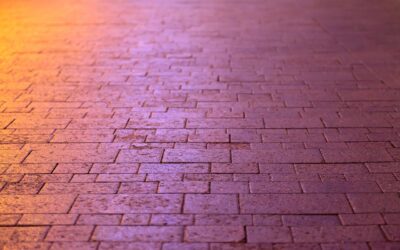
A pink epoxy floor is a bold, playful design choice that has jumped from commercial showrooms and retail boutiques into home gyms, kids’ playrooms, garages, salons, and statement basements. Epoxy is a seamless, poured-on resin coating that cures into a glossy, rock-hard, waterproof surface, and because it is fully pigmented, color is limited only by imagination, which is why shades from soft blush to metallic rose to vivid hot pink have become so popular. Done right, a pink epoxy floor is durable, easy to clean, and genuinely eye-catching. Done wrong, it can peel, bubble, yellow, or cure blotchy. This guide covers the shades available, where pink epoxy works best, real costs, the DIY-versus-pro decision, and how to get a flawless, long-lasting finish.
Part of our Epoxy, Concrete & Garage Floors guide — explore the full guide →
The Range of Pink Shades and Finishes
Pink epoxy is far from one color. The pigment and technique you choose completely change the result, so it helps to know the options before committing. Soft, muted blush and dusty rose tones read sophisticated and calming, making them popular in salons, boutiques, and bedrooms. Brighter bubblegum and hot pink deliver high energy and are favorites for kids’ rooms, home gyms, and playful accent spaces. Metallic pink epoxy, made with reflective pigments swirled into the resin, creates a marbled, three-dimensional depth that looks like flowing rose-gold stone.
- Solid pink: a uniform, single-color pour for a clean, consistent look
- Metallic pink: reflective pigments create swirled, marbled depth
- Flake or fleck systems: pink base with color chips for texture and hidden-dirt camouflage
- Finish sheen: high-gloss for drama, or a satin topcoat for a softer, less slippery surface
Most floors finish with a clear topcoat over the pigmented base, which deepens the color, adds durability, and lets you dial in the gloss level. A UV-resistant topcoat is worth specifying, since some epoxies can amber or shift tone under strong sunlight, which is especially noticeable on a light pink.

Where Pink Epoxy Works Best
Epoxy bonds to concrete, so it is at home in any space with a concrete slab: garages, basements, home gyms, workshops, laundry rooms, and finished commercial spaces. A pink epoxy floor is especially popular in creative and personal spaces where a statement color makes sense, such as a home gym or dance studio, a child’s playroom, a she-shed, a salon or boutique, or a fun basement bar. The seamless, waterproof surface shrugs off dropped weights, spilled drinks, and heavy rolling equipment.
It is less suited to areas already floored in wood or tile without significant prep, and very light blush tones can show dirt in high-traffic industrial settings, where a flake system or a deeper shade hides grime better. Think about how much traffic and mess the room sees, and lean toward flake or metallic finishes in busy spaces and solid or metallic pours in showpiece rooms.
What a Pink Epoxy Floor Costs
Epoxy pricing depends heavily on the system and who applies it. A basic DIY epoxy kit for a garage-grade solid color runs roughly $1.50 to $3 per square foot in materials. Professional installation of a standard solid-color epoxy typically costs $3 to $7 per square foot, while premium metallic and multi-coat systems climb to $7 to $12 or more per square foot installed because of the extra pigments, layers, and artistry involved.
For a two-car garage of about 400 to 500 square feet, that puts a professional metallic pink floor somewhere in the low-to-mid thousands, while a DIY solid-color kit might cost a few hundred dollars in product. Remember that surface prep, which is the most important step, can add cost if the concrete needs grinding, crack repair, or moisture mitigation. Skimping on prep to save money is the most common cause of epoxy failure, so budget for it.
DIY vs. Professional Installation
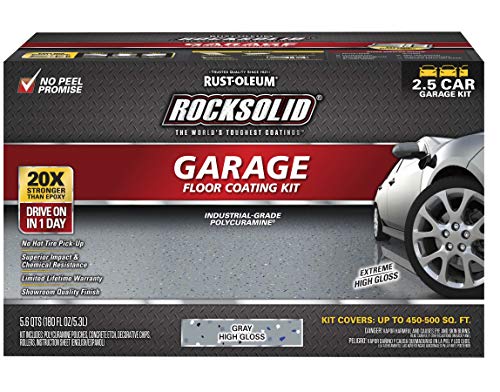
A simple solid-color epoxy over sound concrete is within reach for a confident DIYer, and kits are widely available with rollers, etching solution, and instructions. The catch is that epoxy is unforgiving of mistakes and time-sensitive once mixed; you have a limited working window before it starts to set, and errors like poor prep, rolling in dust, or an uneven pour become permanent. Metallic and flake systems are considerably harder to execute well, requiring technique to swirl the pigment and time the coats.
For a showpiece metallic pink floor or any large area, hiring a professional installer is usually money well spent, since the artistry and the tight timing are hard to master on a first attempt. If you do go DIY, practice patience with the prep, work in a well-ventilated space, mix in small controlled batches, and recruit a helper so one person mixes while the other rolls before the resin kicks.
Durability, Care, and Getting a Flawless Finish
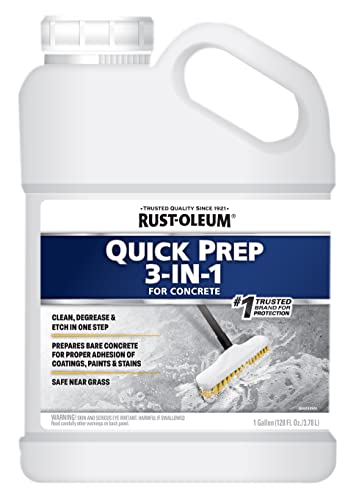
The secret to a professional-looking, long-lasting pink epoxy floor is almost entirely in the preparation. The concrete must be clean, fully cured, dry, and profiled, either by acid etching or, better, mechanical grinding, so the epoxy can bond. Any oil, moisture, or dust left on the slab causes peeling and fisheyes. Moisture coming up through the slab is the hidden enemy, so test for it and address it before coating, or the floor will delaminate.
Once cured, epoxy is remarkably tough and low-maintenance. It resists stains, chemicals, and abrasion, and cleans with a dust mop and the occasional damp mop with mild cleaner; avoid harsh solvents and abrasive pads that can dull the gloss. Place mats under rolling equipment and use furniture pads to prevent scratches on a high-gloss surface. Add an anti-slip additive to the topcoat in any area that gets wet, since glossy epoxy is slick underfoot. Prep it right, choose a UV-stable topcoat, and a pink epoxy floor rewards you with years of durable, waterproof, head-turning color that few other flooring options can match.
How Long It Lasts and When to Recoat
A properly installed epoxy floor is a long-term surface, not a temporary finish. In a residential setting with light-to-moderate traffic, a quality epoxy system commonly lasts 10 to 20 years before it needs attention, while heavy commercial floors may need recoating sooner. The clear topcoat is the sacrificial layer that takes the wear, so when the surface starts to look scuffed, dull, or slightly hazy in traffic lanes, you can often refresh it with a new clear coat rather than redoing the entire floor, provided the color layer underneath is still sound. Watch for early warning signs that call for repair rather than a simple recoat: any bubbling, peeling, or flaking usually traces back to moisture in the slab or a prep failure and needs the affected area ground out and redone. Small chips can be spot-repaired, and hairline scratches in the topcoat are mostly cosmetic. Because a light pink shows wear patterns more readily than a dark floor, staying on top of recoating keeps a blush or rose floor looking crisp and extends the life of the color coat beneath it for many years.