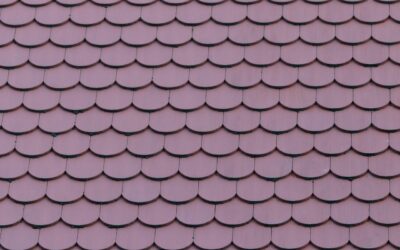
Pink used to mean a dated 1950s bathroom, but the color has come roaring back on its own terms. Pink porcelain today ranges from barely-there blush to earthy terracotta-rose, and it delivers the warmth homeowners crave with all the toughness porcelain is known for. Whether you’re after a soft, spa-like bathroom floor or a statement backsplash that softens a stark kitchen, porcelain gives you the color in a body that resists water, scratches, and heavy foot traffic. Here’s how to choose, buy, and use it well.
Part of our Tile & Grout guide — explore the full guide →
Why Porcelain for a Pink Floor or Wall
Porcelain is made from denser, more refined clay fired at higher temperatures than standard ceramic — usually above 2,200°F. The result is a tile with water absorption under 0.5 percent, which makes it frost-proof, stain-resistant, and rated for both walls and floors. When you want a color as personal as pink, you want it in a material that will still look good in 20 years, and porcelain delivers exactly that.
Because the color and pattern in through-body and glazed porcelain are baked in, pink porcelain won’t fade in sunlight the way some painted or dyed surfaces do. That UV stability matters in bright kitchens and sunrooms where a cheaper material would wash out over time.
Shades of Pink to Consider
Not all pinks read the same in a room. The undertone determines whether the space feels warm, cool, modern, or vintage.
- Blush and rose quartz — pale, cool-leaning pinks that behave like soft neutrals. Easy to live with and pair with white, gray, or brass.
- Dusty rose and mauve — muted, slightly grayed pinks with a sophisticated, grown-up feel.
- Terracotta and clay rose — warm, earthy pinks that lean orange, perfect for Mediterranean and Southwest looks.
- Millennial and bubblegum — brighter, saturated pinks for a bold, playful statement wall or powder room.
My advice for a permanent installation: lean toward the muted, dusty end of the range. Those tones age gracefully and read as intentional design rather than a passing trend.
Finishes and Formats
Finish changes both the look and the function of pink porcelain. Match it to the room’s demands.
- Matte — soft, contemporary, and slip-resistant. Best for bathroom and kitchen floors.
- Polished — glossy and reflective, ideal for walls and low-traffic accent floors, but slick when wet.
- Satin or honed — a middle ground with a gentle sheen and reasonable grip.
Formats run the full range: large-format 24×24 for a seamless floor, classic 3×6 subway for walls, hexagons and penny rounds for a vintage-modern mosaic, and wood-look or marble-look planks with a subtle pink cast. Zellige-style pink porcelain, which mimics handmade Moroccan tile with irregular edges and glaze variation, is especially popular right now for backsplashes.
Pink Porcelain Cost
Porcelain runs a bit more than basic ceramic because of its density and durability, but pink is a mainstream color that doesn’t carry a surcharge.
- Standard pink porcelain field tile: $3 to $8 per square foot.
- Designer, zellige-look, or large-format tile: $10 to $25 per square foot.
- Professional installation: $8 to $15 per square foot depending on layout complexity.
A small powder-room floor might use just 30 square feet, keeping material under $200. A full bathroom or kitchen backsplash scales from there. Always order 10 to 15 percent extra for cuts, breakage, and future repairs from the same dye lot.
Where Pink Porcelain Works Best
Powder rooms are the ideal proving ground — small enough that a bold pink feels fun rather than overwhelming, and low-traffic enough that a polished finish is fine. In full bathrooms, a dusty-rose floor paired with white fixtures and warm wood vanities creates a calming, spa-like feel. Kitchens use pink porcelain most often as a backsplash, where a zellige-style blush behind open shelving softens an otherwise crisp white or gray scheme.
Beyond the obvious rooms, pink porcelain also works on laundry-room floors, sunroom walls, and as a fireplace surround. Because it’s frost-proof, it can even go on a covered patio in most climates.
Durability and Maintenance
This is where porcelain shines. It resists scratches, moisture, and stains, and it never needs sealing the way natural stone does. Clean it with a pH-neutral tile cleaner and a damp mop — no waxes, no harsh abrasives. Grout is the only part that benefits from sealing; a sealed joint keeps grime from settling into the lines and dulling your pink.
Porcelain’s hardness rating (measured on the PEI scale) tells you where a tile belongs. For floors, look for PEI 4 or higher. For walls and backsplashes, PEI 1 or 2 is plenty since they never take foot traffic. Buying a floor-rated tile for a wall is fine; the reverse is not.
Design Tips for Working With Pink
Pink is a warm color, so balance it with cooler or neutral partners to keep a room from feeling one-note. Crisp white trim, black fixtures, brass hardware, and natural wood all ground a pink surface beautifully. Green plants and terracotta accents amplify the earthy, organic side of a dusty rose. If you’re nervous about commitment, start with a backsplash or a single accent wall rather than a full floor — it’s the easiest way to test the color in your light before going all in.
Frequently Asked Questions
Is pink porcelain hard to sell a house with?
Muted, tasteful pinks in small doses — a powder room or backsplash — tend to charm buyers rather than turn them off. Whole-house bubblegum floors are a harder sell. Keep bold pink contained to spaces that are easy to repaint or update around.
Does pink porcelain fade over time?
No. The color in quality porcelain is fired into the tile and is UV-stable, so it holds up in direct sunlight and won’t fade the way paint or some vinyl products can.
Can I use pink porcelain on a shower floor?
Yes, provided you choose a matte or textured finish for slip resistance. Small-format tile or mosaics add extra grout lines that improve traction on a wet, sloped shower pan.
What counters and cabinets pair best with pink porcelain?
White and cream quartz keep a pink floor light and airy, while warm-veined marble-look surfaces reinforce the soft, romantic feel. On cabinets, natural oak and walnut ground the warmth, crisp white keeps it fresh, and deep green or navy create a rich, high-contrast pairing. Brass and matte-black fixtures both look sharp against a dusty rose backdrop.
How do I clean pink porcelain without dulling the color?
Use a pH-neutral tile cleaner and a damp microfiber mop for routine cleaning. Skip acidic products, bleach, and abrasive powders, which can degrade grout and, over time, dull a polished surface. Because porcelain is nonporous, the tile itself resists stains and needs no sealer — only the grout lines benefit from a periodic sealing coat to stay crisp and grime-free.
Choose a muted shade, match the finish to the room’s traffic, and pair it with grounding neutrals — do that and pink porcelain gives you warmth and personality in a surface built to last decades.
Prefer to explore on your own?
See how new flooring looks in your actual room in seconds — free, no signup.
Try the free Floor Studio →