Pink stopped being a fad the day Plain English’s “Reflection 02” rose-tinted kitchen went viral and resale data refused to penalize it. Pink kitchens done right read as confident, warm, and surprisingly neutral — particularly the dusty, muted pinks that share more genetic material with terracotta and clay than with bubble gum. Done wrong, they read juvenile and they date. The line between the two is mostly about which pink, where you put it, and what you pair it with.
Part of our Kitchen Remodeling guide — explore the full guide →
The Pinks That Actually Work in Kitchens
Hardware-store pink chip racks deceive amateur designers. Most of those samples skew toward Pepto territory or pastel nursery pink. The pinks that work in kitchens fall into three families.
- Dusty rose / mauve: Farrow & Ball Setting Plaster, Sulking Room Pink, and Calamine. Read as warm neutral in most light. The safest path into a pink kitchen.
- Terracotta-leaning pink: Sherwin-Williams Smoky Salmon, Benjamin Moore Frosted Rose. Warmer, browner, more grounded. Pairs naturally with wood and brass.
- Pale powder pink: Farrow & Ball Pink Ground, Benjamin Moore First Light. Subtle enough to read as off-white in some light. Works for homeowners who want pink without commitment.
Avoid hot pinks, peachy oranges, and yellow-leaning corals. They photograph well in magazines but feel chaotic in real spaces under varying light conditions.
Where to Put the Pink
The application matters as much as the color. Three approaches give different commitment levels.
All-pink cabinetry: the full statement. Best with restrained countertops and floors. This is the look people associate with pink kitchens but executes poorly without designer-level color matching.
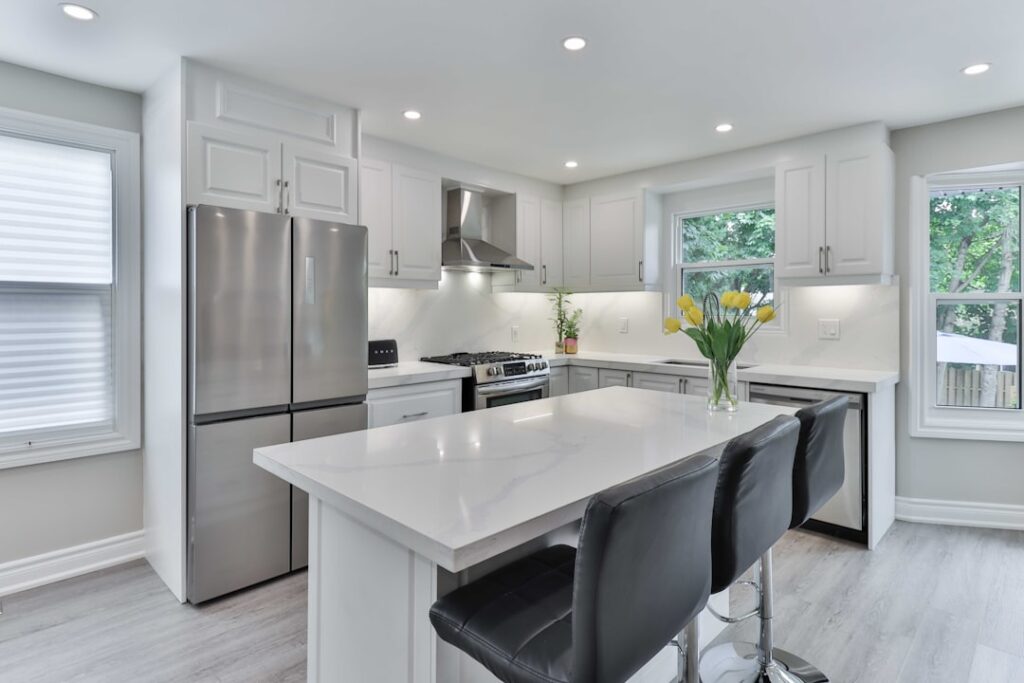
Pink island only: the moderate commitment. Surrounding cabinets stay neutral (white, cream, or warm gray), and the island becomes the pink anchor. Easier to reverse if you change your mind.
Pink lower cabinets, neutral uppers (or vice versa): the most balanced option. Distributes color without overwhelming. The two-tone trend handles pink particularly well.
Consider pink walls, pink range hoods, or pink tile backsplashes if cabinet color feels too permanent. Each provides the warmth without the cost or commitment of repainting cabinetry.
Countertop Pairings That Sing
Counter color makes or breaks a pink kitchen. Stone choice determines whether the room reads sophisticated or saccharine.
- Honed Carrara marble or Carrara-look quartz: the gold standard. The warm gray veining picks up the pink without competing. Cambria Britannica or Caesarstone London Grey are reliable quartz options at $60-$90 per sq ft installed.
- Soapstone: deep gray-black, warms the pink, looks contemporary. Naturally heat resistant. Around $80-$120 per sq ft.
- Butcher block: walnut or cherry. Adds warmth and grounds the pink. Lower-cost ($35-$60 per sq ft), DIY-friendly maintenance.
- White quartz or Cambria Brittanicca Warm: safe, bright, lets the pink dominate. Best in pale powder-pink kitchens.
Avoid green or yellow stone (Verde Marinace, granite with yellow veining), aggressive black-and-white patterned quartz, and anything with red veining. These compete with the pink instead of supporting it.
Hardware Finishes That Complement Pink
Three finishes hold up reliably in pink kitchens.
Unlacquered brass: warm, traditional, ages beautifully. The most popular choice in 2026 for this style. Rejuvenation, deVOL, and Schoolhouse all carry good options at $25-$80 per pull.
Matte black: high contrast, modern, photographs sharply. Pulls the pink toward sophistication. Buster + Punch and CB2 carry mid-range options.
Polished nickel: cool but warm enough to coexist with pink. Subtle and timeless. Restoration Hardware and Top Knobs Stratton series are reliable choices.
Avoid chrome, brushed nickel (too cool), and rose gold (too matchy). Mixing brass with matte black hardware in different zones works if you commit to the rule and apply it consistently.
Flooring Choices That Anchor the Room
The floor needs to ground a pink kitchen, not compete with it. Three reliable directions:
Wide-plank natural oak hardwood: classic, warm, matches the sophistication of dusty pink. White oak with a clear matte finish is the safest specification.
Terracotta or saltillo tile: echoes the pink’s clay undertones. Warm underfoot, regional character, requires sealing. Best in larger kitchens where the orange tones don’t overwhelm.
Patterned cement or encaustic tile: a black-and-white geometric or a black-and-cream Moroccan pattern adds drama and contrast. Use only if the rest of the kitchen reads restrained.
Avoid cool gray flooring, ash-gray engineered hardwood, and white tile floors. These leave the pink floating without an anchor.
Lighting That Keeps Pink from Going Sallow
Pink kitchens depend heavily on lighting temperature. Cool LEDs (4000K and up) drain the warmth out of pink and shift it toward gray-purple. Warm LEDs (2700K-3000K) reinforce the warmth and help pink read sophisticated.
Layer lighting in three tiers:
- Recessed cans on dimmers for general illumination.
- Pendant lights over the island, in finishes that match your hardware (brass, black, or nickel).
- Under-cabinet LED strips at 2700K-3000K to flatter food prep.
Skip cool blue task lighting. The under-cabinet lights are the most-noticed lighting in a kitchen because they hit countertops at eye level when you stand at the counter.
Backsplash Strategies
The backsplash either echoes or contrasts the cabinet pink. Both directions work.
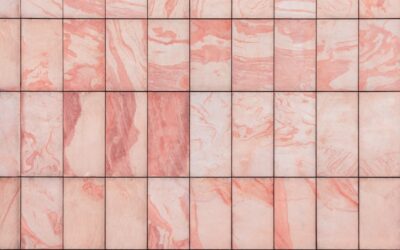
Tonal: a pale pink, blush, or putty-colored zellige tile blends with the cabinets and turns the entire room into a soft monochrome. Reads spa-like and luxurious.
High contrast: deep emerald green, navy blue, or true black handmade tile creates a sharp counterpoint. The kitchen reads more dramatic, more design-forward.
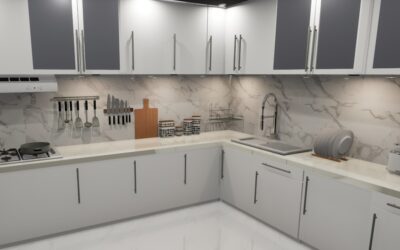
Marble slab backsplash: the same Carrara or Calacatta as the countertop, run up the wall to the underside of the upper cabinets. Most expensive option ($80-$140 per sq ft) but the most cohesive.
Whichever direction you choose, avoid busy mosaic tile or anything with a yellow undertone — they fight the pink and make the kitchen feel cluttered.
Realistic Budget Tiers
A pink kitchen does not cost more than any other kitchen, but the finishing details that make it work add up.
Refresh ($3,000-$8,000): paint existing cabinets pink, swap hardware to brass, replace pendant lights, add new backsplash tile.
Mid-range remodel ($25,000-$55,000): custom-painted cabinetry, mid-grade quartz countertops, new flooring, lighting upgrade, designer hardware.
High-end remodel ($80,000-$200,000+): bespoke painted cabinetry from deVOL or Plain English, marble counters, custom range hood, designer pendants, complete tile work.
Will Pink Date or Hurt Resale?
The data is more reassuring than skeptics claim. Properly executed pink kitchens — particularly muted, dusty pink — perform similar to neutral kitchens on resale in most US markets. The risk is bright bubble-gum pink or pink combined with juvenile-feeling accessories. Avoid those, and you have a kitchen that ages like the green and blue kitchens of the 1990s now do — character, not liability.
If you are nervous, paint the island pink instead of all the cabinets. A new owner can repaint a single piece in a weekend. A full re-paint of every cabinet is $4,000-$8,000 in labor, which is the resale risk worth managing.