You scrubbed the shower clean last week, and there it is again: a slimy rosy film creeping along the grout lines and around the drain. That pink stain isn’t soap residue or rust, and it isn’t a sign that you’re a bad housekeeper. In almost every case it’s a living organism called Serratia marcescens, an airborne bacterium that thrives in damp bathrooms. The good news is that it wipes away easily and stays gone once you understand what feeds it. Here’s how to identify it, kill it, and keep it from coming back.
What Causes a Pink Stain
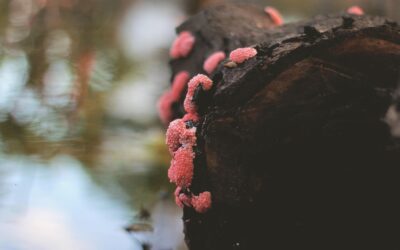
The pink or reddish film you see is a colony of Serratia marcescens, a naturally occurring bacterium that produces a pinkish-red pigment as it grows. It floats in on the air, settles on wet surfaces, and feeds on the fatty residues left by soap, shampoo, and conditioner. Anywhere moisture and soap scum meet, it multiplies fast.
It loves the same spots over and over: shower corners, the grout between tiles, toilet bowls, pet water dishes, and the rubber seal on washing machines. Unlike rust or hard-water staining, this growth feels slightly slimy and reappears within days of cleaning if conditions stay damp.
Is the Pink Stain Harmful?
For healthy people, Serratia is generally low-risk on bathroom surfaces, but it isn’t entirely harmless. It’s an opportunistic pathogen that can cause urinary tract, wound, and respiratory infections in people with weakened immune systems. You shouldn’t ignore it, especially in homes with infants, elderly residents, or anyone immunocompromised.
Treat it like mildew: not an emergency, but something to remove promptly and prevent from returning. Wear gloves when you clean it, and avoid touching your eyes or face mid-scrub.
How to Remove It From Tile and Grout
Don’t reach for plain bleach first, even though it kills the bacteria, because it leaves the soap-scum food source behind and won’t reach into porous grout. A two-step approach works far better.
- Make a paste of baking soda and a few drops of dish soap, and scrub the stained grout with a stiff nylon brush to lift the biofilm and the residue feeding it.
- Mix a disinfecting solution of one part bleach to ten parts water, apply it to the cleaned surface, and let it sit 10 minutes before rinsing thoroughly.
For a no-bleach option, white vinegar at full strength kills the bacteria too; spray it on, wait 30 minutes, then scrub and rinse. Hydrogen peroxide (3 percent) works similarly and is safe on colored grout that bleach might lighten.
Removing Pink Stains From Fabric and Surfaces
Pink staining shows up on shower curtains, bath mats, and even clothing left damp in a hamper. For washable fabrics, soak the item in a solution of one cup white vinegar per gallon of warm water for 30 minutes, then launder on the hottest cycle the fabric allows, usually 130°F or higher.
For plastic shower curtains and liners, wipe them down with a vinegar-soaked cloth or run them through the washing machine with two old towels and a half-cup of baking soda. On a toilet bowl, pour in a cup of vinegar, scrub with the brush, let it sit overnight, and flush in the morning.
Where Pink Stains Show Up Most
Knowing the bacteria’s favorite hangouts helps you clean efficiently and catch it early. Beyond the obvious shower corners and grout lines, Serratia colonizes a surprising range of damp spots throughout the home.
- Toilet bowls and tanks, especially below the waterline where moisture is constant
- Shower curtains, liners, and bath mats that stay damp between uses
- Sink and tub caulk lines, where the porous silicone holds moisture
- Pet water bowls and dishes left standing for days
- Humidifier tanks, dish racks, and shower caddies
- Washing machine gaskets and detergent drawers
If you notice the film appearing in several of these places at once, it’s a sign your home’s overall humidity is running high, not that any single fixture is the problem.
What Not to Do
A few well-meaning mistakes actually make pink staining worse. Don’t simply rinse it away with water, since that leaves the bacteria and its food source intact to regrow within days. Don’t mix bleach with vinegar or ammonia in an attempt to clean faster, because the combination releases toxic chlorine or chloramine gas that’s genuinely dangerous in an enclosed bathroom.
Avoid abrasive scrub pads on acrylic tubs and shower surrounds, which can scratch the surface and create more crevices for bacteria to colonize. And resist the urge to ignore a small patch, hoping it will go away. Serratia spreads steadily, and a quick wipe today is far easier than a deep scrub of an entire shower next month.
How to Prevent It From Coming Back
Serratia needs moisture and food to survive. Cut off either one and the pink film can’t establish. Ventilation is your strongest tool.
- Run the bathroom exhaust fan during showers and for 20 to 30 minutes after to drop humidity below 50 percent.
- Squeegee shower walls and the door after each use to remove standing water.
- Rinse soap and shampoo residue off tile and the tub floor so the bacteria has nothing to eat.
- Fix dripping faucets and showerheads; a constant water source feeds constant growth.
- Wash bath mats and shower curtains weekly, and empty pet bowls daily.
A weekly wipe-down with a vinegar spray keeps surfaces inhospitable. Consider a small dehumidifier in bathrooms that stay damp, targeting 40 to 50 percent relative humidity.
When to Call a Professional
If the pink keeps returning fast despite consistent cleaning and good ventilation, the source may be inside your plumbing or your water supply. Well water in particular can harbor the bacteria. A plumber can inspect for slow leaks, and a water test (around $50 to $150) can confirm whether your supply is the culprit.
Persistent regrowth around a single fixture often points to a hidden moisture problem behind the wall. Catching a pink stain early and addressing the moisture behind it almost always solves the issue without any professional help, but don’t let a recurring patch go unexamined if it shrugs off your best cleaning routine.