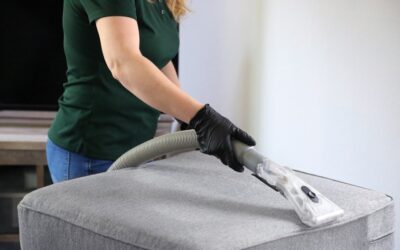
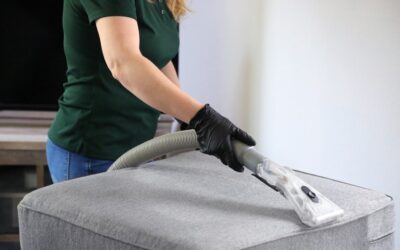
A single bad pet accident on a $2,500 sectional can ruin your day, but it does not have to ruin the couch. A good portable upholstery cleaner pulls embedded dirt, urine, wine, and grease out of fabric using hot water, suction, and detergent in a way no spray bottle can match. The category has matured fast in the last five years, and you can buy a serious unit for $130 to $250 that handles couches, car interiors, area rugs, and stairs without renting a Rug Doctor every six months.
How a Portable Spot Cleaner Actually Works
These machines are essentially miniature carpet extractors. A clean-water tank holds 0.5 to 1 gallon of water mixed with a low-foam detergent. A pump injects the solution into the fabric through a handheld nozzle while a built-in vacuum simultaneously sucks the dirty water back into a separate recovery tank. Most run on a 3 to 5 amp motor and weigh 10 to 13 pounds.
The key spec to look for is water lift, measured in inches. Anything under 80 inches of water lift will leave fabric soggy. The best portables hit 100 inches or more, which means the upholstery is damp to the touch but dries in 2 to 4 hours rather than overnight.
Top Models in 2026
The market is dominated by Bissell, with Hoover and Tineco trailing. Worth shortlisting:
- Bissell Little Green ProHeat (Model 2513W): $130 to $150. The category bestseller. Heated cleaning, 48 oz tank, 3 inch tough stain tool. Slightly underpowered suction but unbeatable for the price.
- Bissell SpotClean Pro (3624): $170 to $200. Step up with 5.7 amps of suction, 3/4 gallon tanks, and a 22-foot power cord. The workhorse for landlords and Airbnb hosts.
- Bissell SpotClean Pet Pro Plus (37252): $190 to $220. Adds a deep stain tool, antibacterial pet brush, and trial-size pet stain formula.
- Hoover ONEPWR Spotless Go: $140 to $170. Cordless with a 4 amp-hour battery for 10 minutes of run time, ideal for cars and stairs.
- Tineco Carpet One Cordless: $400. Self-cleaning, smart sensor that adjusts suction, premium feel. Overkill for spot work but doubles as a small extractor.
What Surfaces You Can Clean
A portable upholstery cleaner safely handles a wider range of surfaces than people realize. The standard list includes:
- Microfiber, polyester, and synthetic blend couches
- Cotton, linen, and other natural fabric upholstery (test in a hidden spot first)
- Car seats, floor mats, and trunk liners
- Mattresses with pet stains or sweat marks
- Area rugs and runners
- Stair carpet
- Pet beds with removable or fixed covers
- Boat and RV upholstery
Avoid using on silk, velvet, leather, vinyl, or anything labeled “dry clean only” or “S” code (solvent only). Check the cleaning code tag on the underside of cushions before starting.
Hot Water Versus Cold Water Models
Heated models like the Little Green ProHeat keep the cleaning solution warm during use, which boosts the chemistry of most detergents and cuts dry time. Cold-water units rely on you filling the tank with hot tap water (140 degrees F max so you do not warp the plastic), which then cools off as you work. For pet stains and grease, the heated models are noticeably more effective. For light spotting on synthetic fabric, the difference is minor.
The Right Detergent Makes or Breaks Results
Use only low-foam upholstery formulas. Regular dish soap or laundry detergent will overflow the recovery tank with foam, damage the motor, and leave a sticky residue that attracts dirt within days. Reliable picks:
- Bissell 2X Pet Stain & Odor formula, $15 for 32 oz
- Hoover Paws & Claws Deep Cleaning solution, $12 for 32 oz
- Folex Carpet Spot Remover (pre-treatment for tough stains), $7
- Bissell Oxy with Febreze, $18 for 32 oz
Mix at the dilution the bottle specifies; doubling the concentration does not double the cleaning, it just leaves residue.
Step-by-Step Cleaning Method
- Vacuum the upholstery thoroughly with a regular vacuum to lift loose hair and crumbs
- Pretreat heavy stains with the spray bottle of formula and let dwell 3 to 5 minutes
- Fill the clean-water tank with the proper detergent dilution and hot water if not heated
- Press the trigger to release solution while moving the nozzle in slow overlapping strokes
- Release the trigger and pull the nozzle back over the same area to extract the dirty water
- Repeat the dry pass two or three times until almost no water comes back into the recovery tank
- Air dry with a fan, or open windows for 2 to 4 hours before sitting on the cushion
Common Mistakes to Avoid
Saturating the fabric is the number one mistake. More water does not equal more clean, it equals mildew, water rings on the underside of cushions, and possibly stains seeping back to the surface as the cushion dries. Work in 12 by 12 inch sections and stop spraying before you see pooling.
Other pitfalls: skipping the pre-vacuum (dirt turns to mud), using cold tap water in a non-heated machine, leaving dirty water in the recovery tank for days (it grows mold), and forgetting to rinse the nozzle and tools after each use.
When to Call a Professional Instead
Portable units handle 90 percent of household upholstery problems. Call in a pro for very large sectionals (more than 8 feet) where you want consistent saturation, antique furniture, anything with down or feather fill that cannot get fully wet, or set-in stains older than six months. Professional upholstery cleaning runs $25 to $75 per seat or $150 to $400 for a full sectional. For most other situations, a $150 portable upholstery cleaner pays for itself in two cleanings and lives in the closet for the next emergency.