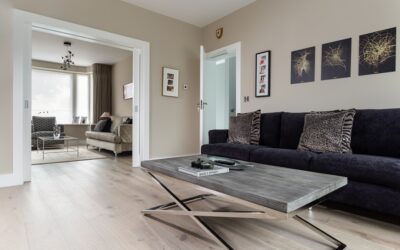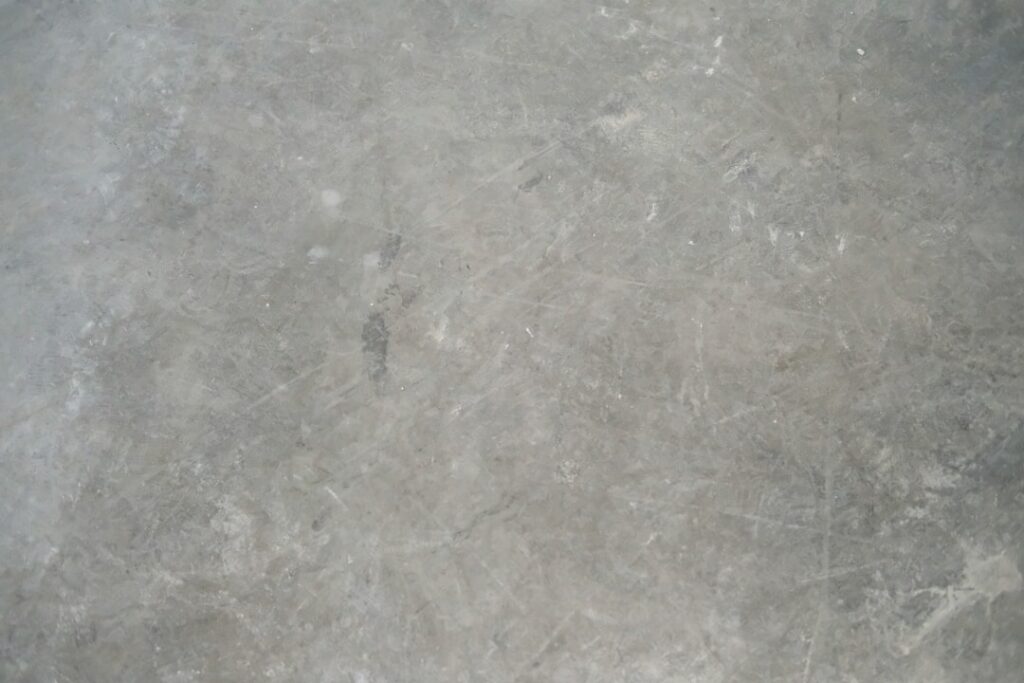
Step into any modern loft conversion in Brooklyn or Austin and the floor under your feet is probably a polished slab the builder paid extra to expose. Poured concrete flooring is the cast-in-place cementitious slab finished as a final wear surface rather than buried under tile or hardwood, and it has migrated from industrial buildings into upscale residential builds over the past 15 years. Done well, the finished floor lasts the life of the structure and reads as either rough-luxe or polished-modern depending on the finish. Done badly, it cracks, dusts, stains, and develops a swiss-cheese surface that no contractor wants to repair.
Part of our Epoxy, Concrete & Garage Floors guide — explore the full guide →
- What Poured Concrete Flooring Actually Includes
- Where Poured Concrete Performs Best
- Pros That Justify the Spec
- Drawbacks Worth Knowing Before You Pour
- Cost Breakdown Per Square Foot
- How to Spec a Job That Holds Up
- Installation Methods That Work
- Cleaning and Long-Term Care
- Warranty Coverage and What to Verify
What Poured Concrete Flooring Actually Includes
The category covers three different products. New-pour structural slabs are 4 to 6 inches thick, reinforced with rebar or wire mesh, and finished during the wet trade phase of construction. Decorative overlays are 1/4 inch to 3/4 inch self-leveling cementitious products poured over an existing slab to create a fresh wear surface — Ardex Pandomo, Mapei Ultratop, and Custom Concrete Solutions all sell this category. Polished concrete is the densification and mechanical grinding process applied to either of the above to expose aggregate and produce a glossy reflective surface.
Pricing varies wildly across the three. A new structural slab finished as the final floor adds $4 to $9 per sq ft over the standard slab cost. A decorative overlay over an existing slab runs $7 to $18 per sq ft. Polishing a finished slab to a 1500 to 3000 grit shine adds another $4 to $11 per sq ft on top of either base.
Where Poured Concrete Performs Best
Slab-on-grade construction below the dampproofing course is the textbook environment. Kitchens, mudrooms, foyers, basement living spaces, and any open-plan main floor where the slab is already the foundation. Radiant floor heating systems embed cleanly in the slab during the pour, giving the finished floor a 65°F to 75°F surface temperature without any additional energy cost.
Upper floors in stick-framed construction are off the menu unless the structure was specifically engineered for the load. A 4 inch slab weighs roughly 50 pounds per square foot, and most residential floor joists are not sized to carry that load over a typical span. Overlays at 1/4 to 1/2 inch are lighter and work on upper floors as long as the existing subfloor is dimensionally stable plywood or OSB.
Pros That Justify the Spec
- Lifetime durability with a finished surface that outlasts the building
- Radiant heat compatibility with embedded PEX or electric mat systems
- Allergen-free surface that traps no dust mites, pet dander, or mold
- Stain resistance when properly sealed with epoxy or lithium silicate densifiers
- Aesthetic versatility from raw industrial to polished marble look-alike
Drawbacks Worth Knowing Before You Pour
Concrete cracks. That is not a defect but a material reality. Every slab develops hairline cracks within 30 days of pour as moisture evaporates and the matrix shrinks. Control joints — saw-cut lines at 10 to 15 foot intervals — direct where the cracks form, but they will not eliminate cracking entirely. Many homeowners are surprised when their freshly poured floor develops visible lines in the first month.
The floor is also hard underfoot and cold without radiant heat. Standing in a kitchen on a polished slab for two hours noticeably fatigues knees and hips. Plan for cushioned area rugs at sinks, stoves, and any prep zone. Dropped glassware, ceramics, and small electronics shatter on contact with concrete at significantly higher rates than on wood or vinyl.
Cost Breakdown Per Square Foot
- Structural slab pour finished as final floor: $4 to $9 above base slab cost
- Self-leveling overlay over existing slab: $7 to $18 installed
- Mechanical grinding and polishing: $4 to $11 depending on grit level (400 to 3000)
- Densifier and sealer (lithium silicate plus penetrating sealer): $1.25 to $3.50
- Custom color, stain, or aggregate exposure: $2 to $8 additional
A 1,000 sq ft open-plan main floor in polished overlay therefore runs $14,000 to $32,000 turnkey. New construction with the structural slab finished as the final floor can come in at $8,000 to $15,000 because the slab cost is already in the budget and only the finishing labor is incremental.
How to Spec a Job That Holds Up
Match the mix design to the finish you want. Slabs intended for polish need a higher cement content (at least 6 sacks per cubic yard) and a low water-to-cement ratio of 0.45 or less. Decorative aggregate such as recycled glass, marble chips, or river stone gets added at the truck and then troweled flat during the pour. Hire a finisher experienced with the specific aesthetic you want — wood-trowel finish, broom finish, polished, or honed all require different skills and timing during the cure.
Get a written warranty for crack control. The standard industry expectation is no cracks wider than 1/64 inch in the first year, and you should request that figure in writing. Cracks wider than that usually indicate inadequate joint placement or improper subgrade prep, both of which are contractor errors rather than material defects.
Installation Methods That Work
For new-pour slabs, the subgrade must be compacted gravel over an undisturbed soil base, with a 6 mil vapor barrier under the slab on grade. Skip the vapor barrier and you will fight moisture migration through the finished floor for the life of the building. Reinforcement should be either 1/2 inch rebar at 18 inch grid, or 6×6 W2.9 welded wire mesh, suspended in the slab on chairs so it ends up roughly in the middle of the slab thickness.
Overlays demand a thoroughly cleaned existing slab. Diamond-grind or shot-blast the surface to a CSP 3-5 profile, fill any cracks with a flexible polyurethane sealant, and apply a manufacturer-specified primer before the overlay pour. Skip any step and the overlay will delaminate from the slab within five years.
Cleaning and Long-Term Care
Sweep or dust-mop daily and wet-clean weekly with a pH-neutral concrete-safe cleaner like Prosoco Consolideck LSGuard Cleaner. Avoid acidic products including vinegar, citrus cleaners, and most tile cleaners — these etch the cement matrix and create dull patches that require re-polishing to repair. Wax-based products also build up haze on polished slabs and are unnecessary on a properly densified floor.
Reseal the floor every 3 to 5 years with a penetrating sealer such as Prosoco Saltguard or Surecrete Eco-Seal. The reseal applies in a single coat with a microfiber pad and cures in 8 to 24 hours. Skipping the reseal is the leading cause of stain complaints — coffee, wine, and cooking oil all penetrate unsealed concrete within minutes and become semi-permanent within 24 hours.
Warranty Coverage and What to Verify
Concrete itself carries no manufacturer warranty in the traditional sense, but the installing contractor typically warrants the work for 1 to 3 years against cracking outside control joints, delamination, and finish failures. Densifier and sealer manufacturers offer 5 to 10 year coverage against premature surface dusting and product breakdown when used with their approved cleaners. Save the mix-design ticket from the ready-mix supplier, photos of the rebar and subgrade prep, and the densifier and sealer product names with batch numbers — these are the three documents claims adjusters and warranty reps will request before any service call. For homeowners chasing a lifetime floor that doubles as the building’s structure, poured concrete flooring delivers performance at a cost competitive with engineered hardwood when the slab is in the budget anyway.