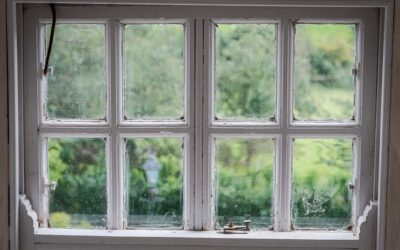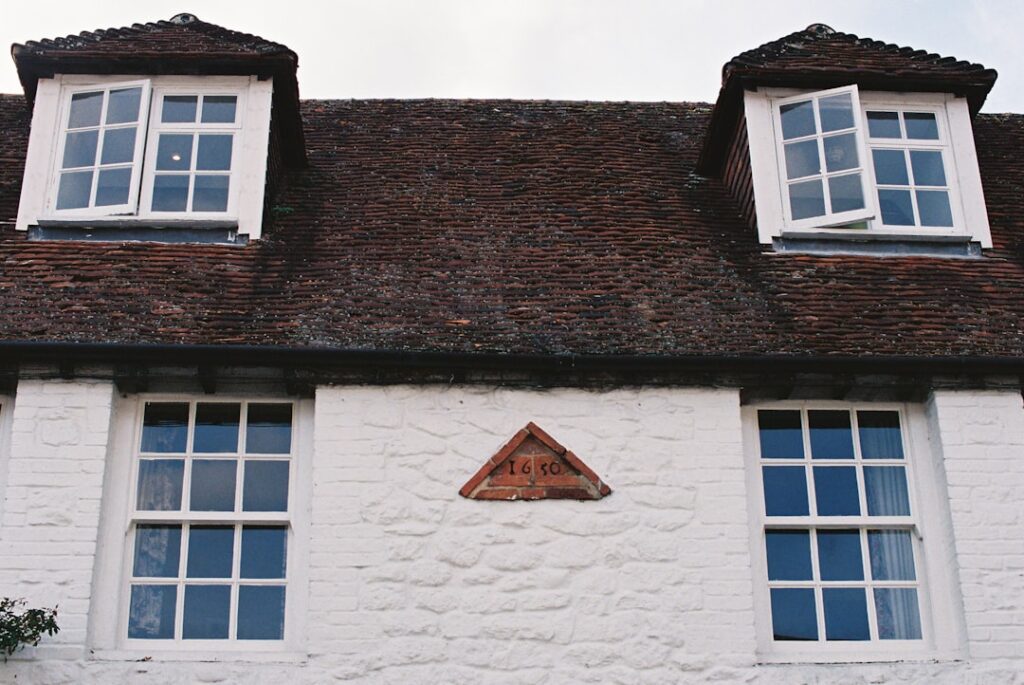
Before anyone invented the crank operator, casement windows opened the obvious way: turn a handle, push the sash, done. Push out casement windows are that original design brought up to modern performance standards — no gearbox, no fold-down handle, just a lever-latch and friction hinges that hold the sash wherever you leave it. They have quietly become the signature window of high-end new construction and historic renovation, partly for the clean sightlines and partly because there is simply less machinery to break.
Part of our Windows & Doors guide — explore the full guide →
The mechanical story of push out casement windows is worth understanding before you price them, because everything people love and everything they complain about traces to two components: the friction hinge that replaces the crank’s holding power, and the multipoint latch that replaces the crank’s closing power. This guide covers how both work, honest pros and cons against cranked casements, the screen question everyone forgets, and which brands build them well.
How They Latch: The Handle Does the Sealing
On a crank casement, turning the handle wedges the sash into its weatherstrip through the operator arm. Push-outs move that job to the latch hardware. Turning the interior handle rotates a spindle that drives one to three latch points along the lock stile:
- Single-point latches on smaller sashes (under about 24 x 36 inches) — a simple cam that pulls the stile tight.
- Multipoint mechanisms on full-size units: one handle motion throws two or three rollers or cams into keepers spaced along the jamb, drawing the whole sash edge evenly into compression. This is the same concertina of hardware used on patio doors, and it is why a good push-out seals as tightly as a cranked window — air-leakage ratings on premium push-outs run the same 0.01-0.10 cfm/ft² class as their cranked siblings.
Handles are where the jewelry lives: solid bronze, brass, or nickel levers from the window maker or from hardware houses, and the absence of a plastic fold-down crank on the sill line is most of the aesthetic argument in one sentence.
How They Stay Open: Friction Hinges
Push the sash open and it stays put — at 15 degrees, at 90, wherever — because the hinges resist motion by design. Two systems dominate:
- Friction hinges (four-bar stays): stainless steel scissor mechanisms at top and bottom, identical in concept to boat-hatch hardware, with a friction shoe whose resistance is set by an adjustment screw. Quality units hold a 60-pound sash steady against a 20 mph gust; the screw lets you stiffen them as they wear in.
- Adjustable stays or peg stays: the traditional/historic option — a sliding arm with a thumbscrew or a bar with peg holes at fixed positions. More period-correct, more fiddly, common on true restoration hardware.
Friction hinges also typically shift the sash sideways as it opens (egress hinges), leaving a hand-width gap at the hinge side for cleaning the exterior glass from indoors — a genuine feature on second floors. The honest limit: in serious wind, an open push-out is at the mercy of the friction setting, and hard gusts will move a big sash. Crank operators, being worm-geared, hold absolutely. Windy exposed sites are the one context where I steer clients back to cranks.
Push Out vs Crank: The Honest Ledger
Reasons to choose push-out:
- Durability by subtraction: no zinc gearbox to strip — the single most common casement repair simply does not exist. Friction hinges are 20-30 year parts.
- Speed and feel: one motion opens the window; no 15 revolutions of cranking on a wide sash.
- Sightlines: no operator housing on the interior sill; stools and plants get the space back.
- Historic accuracy: pre-1930 houses never had cranks; preservation reviewers notice.
Reasons to stay with cranks:
- Reach: a window over a kitchen sink or counter is a stretch to push open and a longer stretch to pull shut. Cranks exist substantially because of countertops.
- Screens: the whole next section — the single biggest practical difference.
- Wind holding, as above.
- Price and availability: push-outs live almost exclusively in premium lines; mid-market vinyl brands rarely offer them at all.
The Screen Question
An outswinging sash cannot have a fixed exterior screen — the sash must pass through that plane. Solutions, in order of prevalence:
- Interior screens: a fixed or clip-in screen panel inside the glass; you open the sash by first swinging or removing the screen, or by reaching through a hinged wicket. Simple, but it puts mesh in your interior view.
- Retractable roll screens: the elegant answer — a cassette at the head or jamb rolls mesh across the opening on demand and disappears otherwise (RetractaScreen-style systems; Marvin and Andersen both integrate them). Add roughly $150-$350 per window.
- No screen: common in practice among push-out buyers in low-bug climates and on upper floors; the unobstructed view is part of what they paid for.
Decide the screen strategy per room before ordering, not after — retrofit retractables exist but integrated ones fit and look better.
Brands and Pricing
- Marvin (Ultimate line): the volume reference in wood and clad push-outs; friction hinges, multipoint lock, integrated retractable screen option. Roughly $900-$1,800 per window before install, size-dependent.
- Andersen (E-Series / A-Series push-out options): comparable spec and pricing, strong clad-color range.
- Kolbe, Sierra Pacific, Loewen: premium wood/clad makers with push-out casements and French casement pairs (two sashes, no center post — spectacular open, priced accordingly at $1,500-$3,500 per pair).
- Steel and aesthetic-steel systems (Optimum, Brombal; Arcadia and others in thermally broken steel): push-out is the native operation for steel casements; budget $150-$300 per square foot.
- European tilt-turn makers: not push-outs strictly, but cross-shoppers should know a tilt-turn delivers crank-free operation with better wind security at similar money.
Installed pricing for a typical 24 x 48 clad-wood push-out lands around $1,200-$2,200 depending on region and trim scope — a 10-20 percent premium over the same maker’s cranked casement, driven by the hardware set.
Maintenance and Small Repairs
Annual care is ten minutes per window: silicone spray (never oil) on the friction shoes and pivot points, a check of the friction adjustment screw — quarter-turn increments until the sash just holds at 45 degrees against a firm push — and a wipe of the multipoint keepers with white lithium grease. Sashes that drift closed need the friction stiffened; sashes that resist closing usually have a keeper out of alignment, adjusted via its slotted screws. Replacement friction stays are standardized enough (measure stay length, stack height, and screw pattern) that marine and window-hardware suppliers cover most sizes for $20-$60 a pair, and handles and multipoint gearsets remain available from the OEMs for decades on the premium brands.
Weatherstrip is the other consumable: the compression bulb takes the sealing load every time the multipoint pulls tight, and a $15 length of matching bulb gasket every 10-15 years keeps the air numbers honest.
Sizing, Egress, and Ordering Notes
Push-outs run the same size range as cranked casements — practical sashes from about 16 x 24 up to 36 x 72 inches — but weight matters more here because your arm, not a gear, moves the sash. Above roughly 30 inches wide in triple-pane glass, ask the dealer about upgraded friction stays; underdamped hardware on a heavy sash is the most common complaint on budget push-outs. Bedroom installations need the egress math checked exactly as with any casement: 5.7 square feet of clear opening, minimum 20 inches wide and 24 inches high, and note that some friction-hinge geometries limit the opening angle to 90 degrees, which is fine, while restrictor-equipped units for child safety may need a release fitted to stay egress-legal.
When ordering, specify handing from the interior, confirm which hinge system (standard friction versus egress-offset), and decide the screen strategy per opening at order time. Lead times on premium push-out lines run 6 to 12 weeks — these are made-to-order windows, not shelf stock.
Who Should Buy Them
Push-outs make the most sense in three situations: historic and historic-style homes where a crank reads as an anachronism; design-driven projects that want the clean sill and the jewelry handle; and owners burned by a house full of stripped operators who want less mechanism, period. Skip them over counters, on wind-hammered exposures, and in heavy-mosquito country unless the retractable-screen budget is real. Within their lane, they are the rare product that is simultaneously the oldest design in the category and the most durable one on the current price list — which is exactly why the top of the market went back to them.