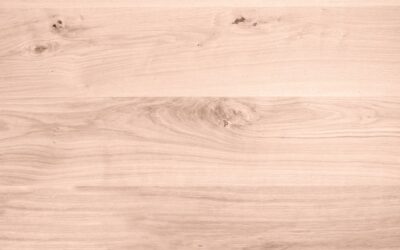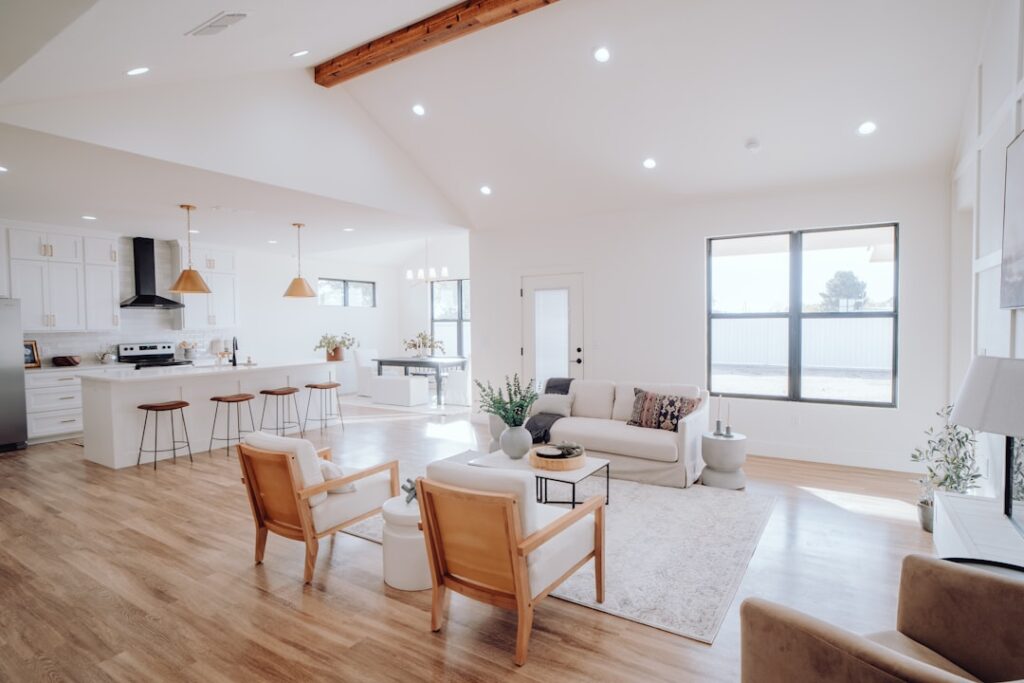
Walk into a high-end home with a perfectly seamless, custom-stained wood floor and there is a good chance it started as raw, unfinished planks. Raw wood flooring is hardwood that arrives without any factory finish, sanded and sealed on site after installation rather than coming pre-coated from the mill. It demands more work and skill than prefinished flooring, but it offers a level of customization, a smoother surface, and a seamless look that prefinished products simply cannot match. Here is when it makes sense and what the process really involves.
What Raw Wood Flooring Actually Is
Raw, or unfinished, wood flooring is solid or engineered hardwood with no stain, sealer, or topcoat applied at the factory. The boards are installed bare, then the entire floor is sanded flat as one continuous surface, stained to your chosen color if desired, and sealed with several coats of finish. This is the traditional method that dominated for generations before prefinished flooring became common, and it remains the choice when control over color and a flawless surface matter most.
Why Choose Raw Over Prefinished
Prefinished flooring is convenient, but raw wood has distinct advantages:
- Custom color: You can stain to any shade you want rather than picking from a fixed catalog, and you can match existing floors exactly.
- Seamless surface: Sanding the installed floor as one plane eliminates the micro-bevels and slight height differences between prefinished boards, creating a smooth, continuous look.
- No beveled edges: Prefinished planks usually have beveled edges that collect dirt; a site-finished floor is sanded flush.
- Custom sheen: You choose the exact gloss level, from matte to semi-gloss.
- Repairability: Spot repairs and seamless patches are easier when the finish is site-applied.
The Trade-Offs to Weigh
Raw wood is not for everyone, and the honest downsides matter. The installation is slower and messier, with sanding dust and finish fumes, and the room is out of use for several days while coats cure. Labor costs are higher because finishing is a skilled, multi-step process done in your home. The quality depends heavily on the contractor; a poor sanding job leaves swirl marks and waves. And until the finish fully cures, the floor is vulnerable, so timing around the rest of your project takes planning.
The Sanding Process
Sanding is the foundation of a great site-finished floor, and it is done in stages. A typical sequence is:
- Rough sanding with a coarse grit to flatten the installed boards and remove mill marks.
- Intermediate passes with progressively finer grits to refine the surface.
- Edge sanding along walls and in corners where the big machine cannot reach.
- A final fine-grit pass or screening to prepare the wood to accept stain evenly.
- Thorough vacuuming and tacking to remove every trace of dust.
Skipping grits or rushing this stage shows up permanently under the finish, so patience and the right equipment are essential.
Staining and Sealing
Once the wood is sanded smooth and dust-free, you decide on color. Stain is applied evenly and wiped to the desired depth, and many homeowners test several stains on the actual floor first because species and grain affect how color takes. After the stain dries, multiple coats of finish go on. Common finishes include water-based polyurethane for clarity and fast drying, oil-based polyurethane for a warmer amber tone and durability, and hardwax oils for a natural matte look. Each coat must dry and is typically buffed between applications for adhesion and smoothness.
How Many Coats and How Long
Most floors get two to three coats of finish, sometimes more in high-traffic homes. Drying and curing times vary by product: water-based finishes dry fast and allow lighter use sooner, while oil-based finishes take longer between coats. Even after the floor is walkable, full cure can take a couple of weeks, during which you should avoid rugs and heavy furniture so the finish hardens completely. Planning your move-in or furniture placement around this cure window protects the new finish.
Is Raw Wood Flooring Right for You?
Choose raw wood flooring if you want a truly custom color, a perfectly seamless surface, the ability to match existing floors, and you are comfortable with a longer, messier installation done by a skilled professional. It is ideal for whole-home installations, historic homes, and any project where a flawless, continuous look justifies the extra effort. If you need a fast, low-disruption install and are happy choosing from preset colors, prefinished flooring may serve you better.
Cost Compared to Prefinished
Budgeting for raw wood flooring means accounting for both materials and the on-site finishing labor that prefinished products avoid. The unfinished boards themselves are often comparable to or slightly less than prefinished, but the sanding, staining, and multi-coat finishing add significant skilled labor to the total. When you compare quotes, weigh that against the value you get: a custom color, a seamless surface, no beveled edges, and easier future repairs. For a whole-home installation where appearance is paramount, many homeowners find the premium justified. For a single low-traffic room on a tight budget, prefinished may make more financial sense. Always get an itemized quote that separates material, sanding, staining, and finishing so you understand exactly what the finishing process is costing.
Dust Control and Disruption
The messiest part of a raw wood install is sanding, and modern equipment has made it far more manageable than it once was. Reputable finishers use sanders with effective dust-collection systems that capture the large majority of debris, and they seal off rooms and vents to contain what escapes. Even so, expect some fine dust and finish odor during the project, and plan to be out of the finished rooms while coats cure. Water-based finishes have lower odor and faster drying than oil-based, which can ease the disruption if fumes are a concern. Discuss dust control and ventilation with your contractor in advance, and schedule the work around times when the household can avoid the affected areas.
The Bottom Line
Raw wood flooring trades convenience for control. You take on a longer, dustier install and rely on a quality finisher, but in return you get a custom color, a seamless sanded surface, your preferred sheen, and easier future repairs. For homeowners who want their floors finished to an exact vision rather than a catalog choice, the site-finishing process is well worth it. Hire an experienced contractor, choose your stain and finish carefully, and respect the cure time, and a raw wood floor will reward you with a look prefinished products cannot replicate.
Prefer to explore on your own?
See how new flooring looks in your actual room in seconds — free, no signup.
Try the free Floor Studio →