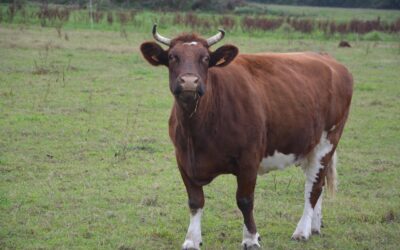
Many people expect a hide to be fragile, yet a well-tanned one often outlasts a woven rug in a busy living room. A real cowhide rug is a durable home decor material with a short, dense hair surface that resists dirt, sheds little, and cleans up with a damp cloth. What surprises new owners is everything else: hides come in irregular shapes, edges can curl, sunlight fades the color, and the smooth back slides across hardwood and tile without a proper underlay.
Owning one is mostly about placement and a few easy habits. Keep it away from heaters, fireplaces and strong direct sun, shake it out regularly, blot spills fast and never soak it. Put a non-slip pad underneath on hard floors and the hide can stay looking good for many years.
- What to Know Before Buying a Real Cowhide Rug
- Sizing an Irregular Hide
- Where to Place It and Where Not To
- Routine Care and Spill Cleanup
- Shedding, Curling and Other Common Issues
- Non-Slip Underlay and Trip Safety
- Real Cowhide vs a Faux Hide Rug
- Cost Ranges and When to Call a Pro
- Frequently Asked Questions
We walk through sizing, placement, cleaning, troubleshooting and cost, plus how a genuine hide compares with a faux hide rug.
What to Know Before Buying a Real Cowhide Rug
A genuine hide is a natural material, so no two are alike. Color, pattern and outline vary from piece to piece, and that variation is part of the appeal. Product labels usually describe the hide’s origin region, the tanning method and whether the hair is natural, dyed or printed. Look for terms like “naturally tanned,” “chrome-free” or “vegetable-tanned” if those matter to you, and read the return policy, since you are buying a one-of-a-kind item.
Quality signs include soft, flexible leather on the back, even hair with no bald patches, and edges that are cleanly trimmed. A stiff, papery back or a strong chemical smell can indicate poor tanning. Some hides are printed or acid-washed to create metallic or patterned looks. Those finishes wear differently and may need gentler care.
Sizing an Irregular Hide
Hides are measured at their longest and widest points, so a listing for “6 by 7 feet” describes the outer limits, not usable rectangular coverage. Legs and neck taper away, so actual floor coverage is smaller than the numbers suggest. Use these rough guidelines:
- Small (about 5 by 6 feet): Entries, beside a bed, in front of a reading chair or under a small desk.
- Medium (about 6 by 7 feet): Under a coffee table in a modest seating area, or at the foot of a queen bed.
- Large and extra large (7 by 8 feet or more): Living rooms where the front legs of the sofa and chairs rest on the hide.
Lay painter’s tape on the floor in a rough hide outline before you buy. Seeing the shape in place helps you judge scale and confirm doors will clear it. Hides are fairly thin, typically well under a quarter inch, so most interior doors swing over them without trouble.
Where to Place It and Where Not To
Cowhide does well in living rooms, bedrooms, home offices and dens. The hair surface shrugs off routine foot traffic and pet paws better than many woven rugs. Rolling desk chairs can wear a bald spot over time, so use a chair mat in heavy-use spots.
Avoid these locations:
- Near heat sources: Fireplaces, wood stoves, space heaters, floor vents and radiators dry out the leather, which can crack, shrink or curl. Keep the hide several feet away.
- Strong direct sun: Ultraviolet light fades the hair and dries the hide. Rotate the rug, use sheer curtains or UV-filtering window film in bright rooms.
- Wet areas: Bathrooms, laundry rooms and mudrooms expose the leather to moisture that can cause stiffening, odor and shrinkage.
- Outdoors: Porches and patios combine sun, moisture and temperature swings that shorten its life quickly.
Routine Care and Spill Cleanup
Regular maintenance is simple and quick:
- Shake it out outdoors every week or two to remove dust and grit.
- Vacuum with suction only in the direction of the hair. Turn off any beater bar, which can pull hair and scuff the surface.
- Brush occasionally with a soft brush in the direction of hair growth to restore the natural sheen.
- Rotate every few months to even out wear and fading.
For spills, act quickly. Scrape off any solids with a dull knife. Blot liquids with a dry white cloth, never rub. For lingering marks, dampen a cloth with cool water and a small amount of mild, pH-neutral soap, then wipe in the direction of the hair. Wipe again with a clean damp cloth and let the area air dry flat, away from heat. Never put a hide in the washing machine, steam clean it or soak it, since water penetrating the leather can cause stiffening and shrinkage.
For tougher stains, test any spot cleaner on a hidden corner first. Professional leather or rug cleaners with hide experience can handle deeper problems.
Shedding, Curling and Other Common Issues
Shedding
A genuine hide sheds very little compared with wool or jute. Some loose hairs appear in the first weeks and in high-traffic areas over time. Bald spots usually signal heavy wear from chair legs or poor tanning.
Curling edges
Edges curl when the hide dries out or arrives rolled. Flatten it by laying the hide hair side down and placing heavy books along the edges for a day or two. For stubborn curls, lightly mist the back with water and weigh it down until dry. Keeping it away from heat prevents the problem from returning.
Odor
A faint natural smell is normal when new and fades within a few weeks in a ventilated room. Persistent odor may mean the hide got wet. Air it out in shade.
Wrinkles
Creases from shipping relax on their own. Lay the hide flat in a room at normal temperature and give it a few days. Avoid ironing or using a hair dryer on the leather, since direct heat can shrink or harden it. If a fold persists, the same light misting and weighting method used for curled edges usually works.
Pet claws and furniture dents
Short hair hides minor scratches well, and most dents from furniture legs fade once the weight is removed. Brushing the hair back into place helps the surface recover. Felt pads under chair and table legs spread the load and reduce wear over time.
Non-Slip Underlay and Trip Safety
The smooth leather back slides easily on hardwood, laminate, vinyl plank and tile. A non-slip rug pad is the single most important accessory for floor safety. A thin felt and natural rubber pad grips the floor, keeps the hide from shifting and protects the finish from grit. Cut the pad about an inch inside the hide’s outline so it stays hidden.
Because a hide is irregular, the legs and tail can flip up and catch toes. Small double-sided rug grippers placed under the tips keep them flat. Check periodically that edges stay down, especially near stairs and in hallways. On carpet, a hide usually stays put, though a carpet-to-rug gripper can stop creeping.
Real Cowhide vs a Faux Hide Rug
A faux hide rug is made from synthetic fibers or printed fabric. It costs less, comes in regular sizes and shapes, and some versions tolerate washing. It also lacks the natural variation, leather backing and longevity of a genuine hide, and printed patterns can wear thin. Genuine hides cost more but often last far longer with the care described here. Choose faux if you need a machine-washable option, want a precise shape or prefer to avoid animal materials.
Cost Ranges and When to Call a Pro
As a general range, small genuine hides often start around $150 to $300, medium and large natural-color hides commonly run about $250 to $600, and specialty or printed hides can reach $800 or more. Patchwork rugs stitched from hide pieces vary widely depending on size and craftsmanship. Add a quality pad, usually $25 to $80.
Call a professional cleaner with hide experience for deep stains, odors that do not fade or damage after a flood. Patching a tear or a bald area is best left to a leather repair specialist.
Frequently Asked Questions
How long does a real cowhide rug last?
With routine shaking, quick spill cleanup and placement away from heat and sun, a quality hide can last many years, often longer than woven rugs in similar traffic.
Can I wash a real cowhide rug?
No. Do not machine wash, steam clean or soak a hide. Spot clean with a damp cloth and mild soap, then air dry flat away from heat.
Why are the edges of my cowhide curling?
Curling usually comes from dryness or shipping. Weigh the edges down hair side down for a day or two and keep the hide away from heaters and vents.
Does a cowhide rug need a rug pad?
On hard floors, yes. A felt and rubber pad stops slipping, keeps edges flat and protects the floor finish.
Does a cowhide fade in the sun?
Yes. Direct sunlight fades the hair and dries the leather. Rotate the rug and use window treatments in bright rooms.