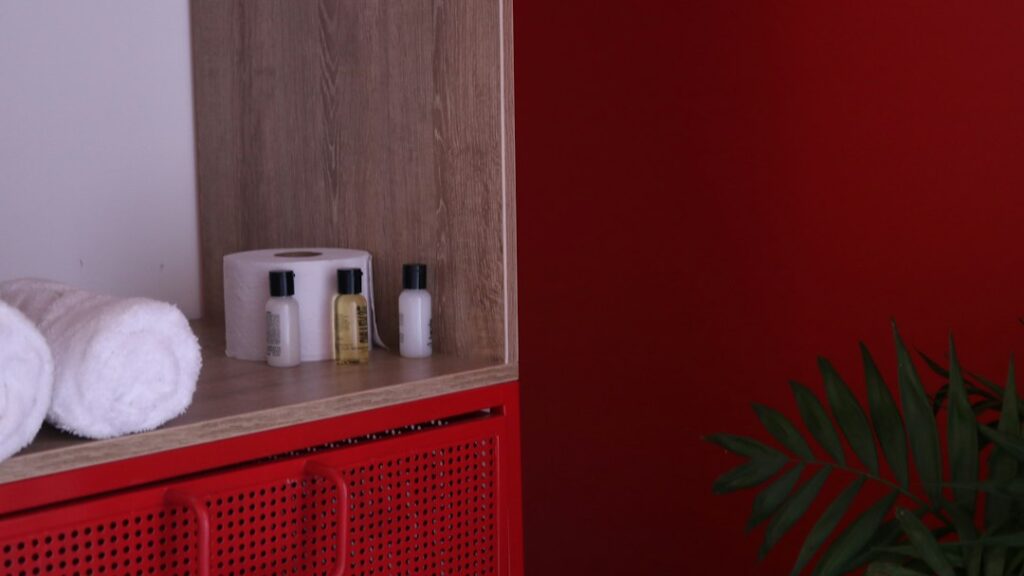
Most homeowners default to white or gray vanities and never look back, which is exactly why a red vanity stops people in their tracks. Done thoughtfully, red bathroom cabinets turn an ordinary bathroom into a space with real personality and warmth. The trick is choosing the right shade, pairing it with the right surfaces, and knowing when bold color genuinely works versus when it overwhelms a small room.
Part of our Bathroom Remodeling & Flooring guide — explore the full guide →
Choosing the Right Shade of Red
Red is not one color, and the shade you pick sets the entire mood. The wrong tone can read loud or dated, while the right one feels intentional and rich.
- Deep burgundy and oxblood bring a moody, sophisticated feel. These muted, brown-leaning reds work in traditional and transitional bathrooms and pair beautifully with brass and warm woods.
- Brick and terracotta reds lean earthy and warm, suiting Spanish, Mediterranean, and rustic styles.
- True cherry or candy red is the boldest choice. It makes a striking statement in modern and eclectic spaces but demands restraint everywhere else.
- Barn red and rust feel grounded and farmhouse-friendly, especially with shaker-style cabinet doors.
If you are nervous, start with a deeper, muted red. Dark and dusty shades age far better than bright, glossy ones and hide water spots and fingerprints more forgivingly.
Pairing Countertops With Red Cabinets
Countertops can either calm a red vanity or fight with it. The safest approach is a neutral surface that lets the cabinet color lead. White or cream quartz and marble-look surfaces keep things crisp and let the red pop. For a warmer, organic look, a beige or sandy stone softens the contrast.
Be cautious with busy, multicolored granite, which can clash with strong red. If you want drama, a black or charcoal countertop creates a high-contrast, dramatic pairing that suits cherry or burgundy cabinets in a modern bath. Whatever you choose, bring a cabinet sample and a countertop sample together under your bathroom’s actual lighting before committing.
Tile, Walls, and Flooring
With a bold cabinet, the rest of the room should mostly recede. Keep walls in a soft neutral such as warm white, greige, or a pale gray so the red has room to breathe. White subway tile, beige stone-look tile, or simple porcelain flooring all let the vanity be the focal point.
For a more layered look, pull a subtle accent from the red into the room through a patterned floor tile, a woven rug, or textiles. Just avoid surrounding red cabinets with more strong colors. Red plus competing brights in a small bathroom quickly feels chaotic. The goal is one confident statement, supported by quiet neutrals.
Hardware and Fixtures
Metal finishes can make or break the look. Warm metals tend to flatter red best:
- Brass and gold add a luxurious, classic warmth that suits burgundy and brick tones.
- Matte black creates a crisp, modern edge against any shade of red.
- Oil-rubbed bronze grounds rustic and farmhouse reds.
- Polished chrome and nickel work but can feel cooler and less intentional with warm reds.
Carry the chosen finish through the faucet, cabinet pulls, light fixtures, and towel bars so the room feels cohesive rather than pieced together.
Red Cabinets in Different Bathroom Styles
The same red reads very differently depending on the surrounding style, so it helps to picture it in context. In a modern bathroom, a cherry or candy red on flat-panel cabinets paired with matte black hardware and a crisp white counter looks bold and intentional. In a traditional space, deep burgundy on raised-panel or shaker cabinets with brass pulls and marble-look stone feels rich and timeless. Farmhouse bathrooms suit barn or rust reds on shaker doors, paired with bronze hardware and butcher-block or stone tops. Mediterranean and Spanish-influenced rooms welcome terracotta reds alongside patterned tile and warm metals. Identifying your bathroom’s overall style first helps you land on a shade that strengthens it rather than fighting it.
Testing Before You Commit
Because red is such a high-commitment color, sampling is essential. Paint a large swatch or a sample door and live with it for a few days, viewing it in morning light, evening light, and under your bathroom’s actual fixtures. Red shifts noticeably between natural and artificial light, often reading warmer and deeper at night. Hold your countertop, tile, and hardware samples against it together rather than judging the color in isolation. This small step prevents the expensive disappointment of cabinets that looked perfect in the store and overwhelming once installed.
When Red Cabinets Actually Work
Red is a high-commitment color, so it pays to be honest about the room. It works best as an accent moment, such as a single vanity in a powder room or a small bathroom where you want a jolt of personality. Powder rooms are ideal, since guests experience them briefly and bold choices feel like a treat rather than a daily intensity.
Red also works well when the rest of the palette stays disciplined and neutral, when the space has decent natural or layered lighting, and when the home’s overall style can carry warmth. It is a tougher fit in a large primary bathroom you live in every day, or in a room with little light, where a deep red can feel heavy and cave-like.
Getting the Finish Right
The cabinet finish affects both durability and feel. A satin or eggshell paint sheen resists moisture and is easier to wipe clean than a flat finish, while a high-gloss lacquer looks dramatic but shows every smudge and imperfection. In a humid bathroom, a quality cabinet paint or factory finish formulated for moisture is worth the extra cost. If you are repainting existing cabinets, proper prep matters more than the color: clean, sand, prime, and use a durable enamel so the red holds up to splashes and cleaning.
Bringing It Together
Red bathroom cabinets reward a confident, controlled hand. Pick a shade that matches your style and lighting, lean toward deeper muted tones if you want longevity, and surround the vanity with neutral counters, walls, and floors so the color reads as a deliberate statement. Add warm metal hardware for cohesion, reserve the boldest reds for powder rooms and accents, and choose a moisture-friendly finish. Handled this way, a red vanity becomes the kind of feature guests remember for all the right reasons.