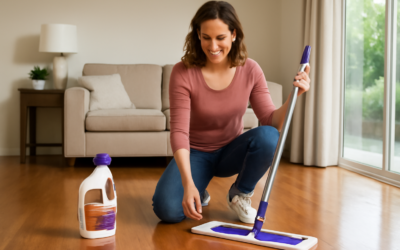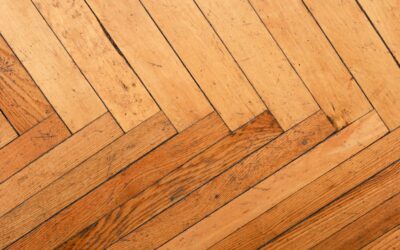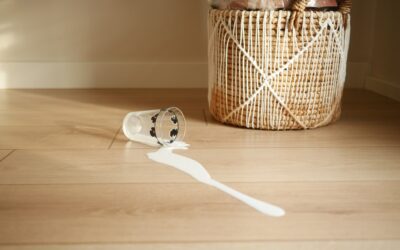
Before you spend thousands sanding and refinishing tired hardwood, it is worth knowing that a dull, scratched floor can often be revived in an afternoon for the price of a single bottle. Rejuvenate floor products are polish and restorer systems designed to fill in fine scratches, add a protective layer, and bring back the shine on hardwood, laminate, tile, and vinyl without any sanding. They have become a popular quick-fix for homeowners who want a fresher-looking floor without the mess, cost, and downtime of a full refinish. This guide explains how the products work, where they shine, and their honest limitations.
What Rejuvenate Floor Products Are
Rejuvenate is a brand of floor care products, and its signature item is a liquid restorer that you apply over a clean floor to renew shine and add protection. The line includes several products: a professional-style restorer that leaves a durable, glossy finish, a no-bucket-needed cleaner for regular maintenance, and specialized formulas for different surfaces. The restorer works by depositing a thin acrylic-based coating that fills microscratches and evens out the surface so light reflects uniformly again. It is essentially a renewable topcoat you can reapply as it wears, rather than a permanent finish like a polyurethane refinish.
How the Restorer Works
The magic of a floor restorer is optical as much as physical. A worn floor looks dull because thousands of tiny scratches scatter light in every direction instead of reflecting it cleanly. When you apply the restorer, the liquid flows into those fine scratches and dries to a smooth, level film that reflects light uniformly again, restoring gloss and depth. The coating also adds a sacrificial layer of protection, so future scuffs hit the restorer rather than your actual floor finish. Because it is a coating rather than a grinding process, it hides light wear beautifully but cannot repair deep gouges, water damage, or bare, worn-through spots.
Which Floors It Works On
One of the appeals of the Rejuvenate line is its versatility across surfaces. The products are formulated for a range of common floor types:
- Hardwood and engineered wood: restores shine to sealed, finished wood floors
- Laminate: renews the surface without the water risk of wet-mopping
- Luxury vinyl and vinyl tile: adds gloss and protection to resilient floors
- Ceramic and porcelain tile: revives the look of glazed tile surfaces
Always confirm the specific product matches your floor type, and note that unsealed wood, waxed floors, and unglazed or textured surfaces may not be suitable. Testing in an inconspicuous corner first is smart before committing to a whole room.
How to Apply It
Getting good results is mostly about clean prep and a careful, even application. The general process is simple:
- Clean thoroughly: remove all dirt, grease, and residue so the coating bonds evenly
- Let it dry: the floor must be completely dry before applying restorer
- Apply thin coats: spread a thin, even layer with the applicator, working in sections toward an exit
- Allow drying time: let each coat dry per the label, often around an hour
- Add a second coat: a second thin coat deepens the shine and protection
The most common mistakes are applying too much product, which leaves streaks and a cloudy haze, and walking on the floor before it cures. Thin coats and patience give the best, most durable finish.
The Advantages
Rejuvenate floor products deliver real benefits for the right situation. They are dramatically cheaper than professional refinishing, with a bottle costing a fraction of what a sand-and-recoat job runs. The application is a straightforward DIY project with no heavy equipment, dust, or fumes from sanding. Results are quick, transforming a dull floor into a shiny one in a single afternoon with same-day use once cured. The coating is renewable, so you can strip and reapply it over time rather than committing to a permanent finish. For homeowners between refinishes or facing minor cosmetic wear, it is an easy, low-risk upgrade.
The Limitations to Understand
Setting expectations correctly is essential, because a restorer is a cosmetic fix, not a repair. It cannot mend deep scratches, gouges, dents, or spots where the finish has worn through to bare wood, and applying it over serious damage will not hide those flaws. The acrylic coating is less durable than a true polyurethane refinish, so in high-traffic areas it wears and needs reapplication periodically. Some users find the added gloss too shiny for their taste, and improper application can leave streaks or buildup that eventually requires stripping. It is a maintenance product, best used to extend the life and looks of a floor that is still fundamentally sound.
Restorer Versus Full Refinishing
Deciding between a restorer and a full refinish comes down to the condition of your floor. If your hardwood has deep scratches, gray water stains, or worn-through areas, or you want to change the stain color, sanding and refinishing is the only real answer, and it lasts for years. If the floor is structurally fine but simply dull, lightly scratched, and tired-looking, a restorer gives you most of the visual improvement for a tiny fraction of the cost and effort. Many homeowners use restorers to buy several more years between full refinishes, which is a sensible way to protect the investment in real hardwood.
Common Mistakes to Avoid
Because a floor restorer is easy to apply, it is also easy to misuse, and a few common mistakes account for most disappointing results. The biggest is applying the product over a floor that is not truly clean. Any residue from old cleaners, wax, grease, or dust prevents the coating from bonding evenly and leads to streaks, cloudiness, or peeling. Stripping and thoroughly cleaning the floor first, then letting it dry completely, is non-negotiable for a good finish.
Applying too much product is the second frequent error. It is tempting to lay down a thick coat for maximum shine, but heavy application dries unevenly, traps bubbles, and leaves a hazy buildup that eventually has to be stripped off. Two thin, even coats always outperform one thick one. Working in the wrong direction is another trap, since you want to apply toward an exit so you are not stranded in a wet corner waiting for the floor to dry.
Finally, rushing the cure time causes footprints, smudges, and dull spots. The floor may feel dry to the touch before it is ready for traffic or furniture, so following the label’s cure time protects your work. Using the restorer on an incompatible surface, such as unsealed wood or a waxed floor, is a setup for failure as well. Testing a small, hidden area first confirms compatibility and appearance before you commit to the whole room, which is the simplest insurance against an unwelcome surprise.
Is Rejuvenate Floor Worth It?
Rejuvenate floor products are a smart, affordable choice for homeowners whose floors are worn but not damaged, offering a quick shine boost and added protection without the cost of refinishing. Used correctly, on the right surface, with thin coats and clean prep, they deliver impressive cosmetic results in an afternoon. Just go in with realistic expectations: this is a renewable topcoat that hides light wear and adds gloss, not a cure for deep damage. For between-refinish maintenance and everyday floor freshening, it is one of the better values in the floor care aisle.
Prefer to explore on your own?
See how new flooring looks in your actual room in seconds — free, no signup.
Try the free Floor Studio →