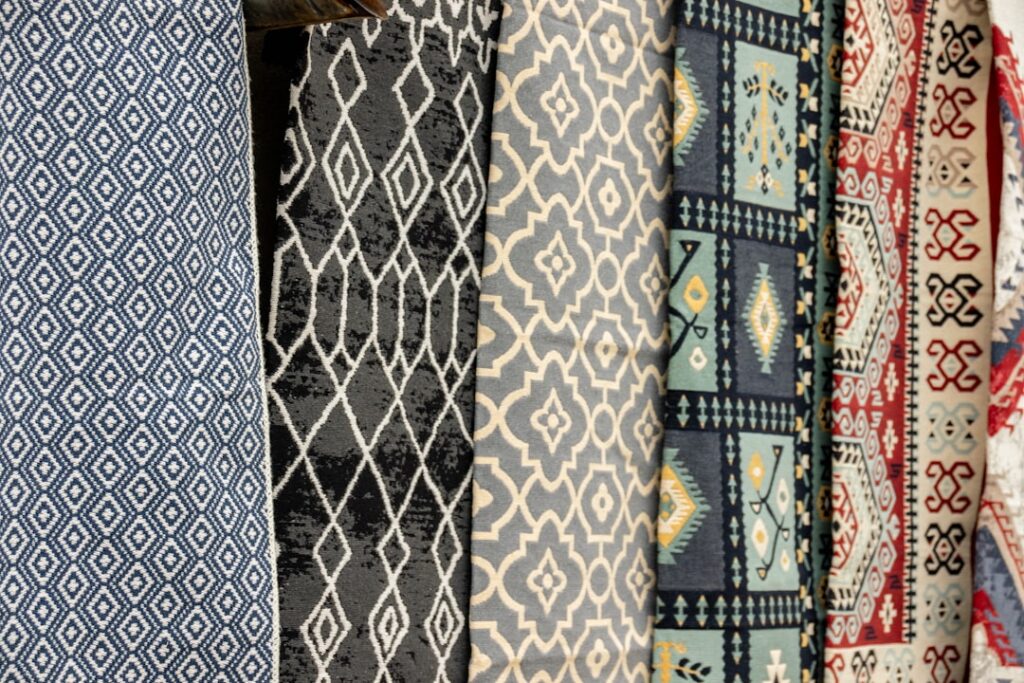
A spilled glass of red wine on broadloom carpet is a $200 cleaning bill and a stain that may never fully come out. The same spill on modular carpet costs the price of a single tile — usually $5 to $15 — and 90 seconds to swap out. Residential carpet tiles bring the practical advantages of commercial modular carpet into homes, with peel-and-stick or pressure-sensitive backing systems that homeowners can install themselves over a weekend. Brands like Flor, Mohawk, and Interface (now offering residential lines) deliver design-forward tiles that look like custom rugs while functioning like the toughest commercial flooring.
Part of our Tile & Grout guide — explore the full guide →
This guide compares the leading brands, walks through install steps, breaks down the cost-per-square-foot reality, and highlights where carpet tile beats traditional broadloom for residential use.
Why Modular Carpet Makes Sense at Home
Broadloom carpet locks you into a single replacement cycle — when one room wears out or stains badly, the entire installation gets replaced. Carpet tiles invert that logic. Each tile is independent, so a damaged or stained tile pulls up and a replacement drops in without disturbing surrounding floor.
The math works especially well in high-traffic zones — entryways, mudrooms, kitchens, kid playrooms, home offices — where spills and wear happen disproportionately. Buy 5 to 10 percent extra tiles up front and you have a permanent stockpile of replacements at install-day pricing.
Top Brands and Product Lines
Flor
The pioneer of residential modular carpet, Flor sells direct-to-consumer through their website and showrooms. Tiles are 19.7 by 19.7 inches (50 cm square) with a low-tack adhesive system that grips without permanent bonding. Pricing runs $11 to $25 per tile, or $4 to $10 per square foot. Designs range from neutral textured to bold pattern. Free returns and no minimum order make Flor easy to sample and design with.
Mohawk Air.O Modular
Mohawk’s residential carpet tile line, sold through retailers and Home Depot. Tiles are 24 by 24 inches with a self-adhesive backing. Pricing runs $2 to $4 per square foot. Designed to integrate with Mohawk’s broader home flooring portfolio.
IRM (Inhabit Residential Modular)
Boutique brand offering designer-focused residential carpet tiles in 18 by 18 and 24 by 24-inch sizes. Pricing runs $5 to $9 per square foot. Strong in modern and pattern-forward designs.
Shaw Living Carpet Tiles
Big-box availability through Lowe’s and independent flooring retailers. 24 by 24-inch tiles with pressure-sensitive adhesive backing. Pricing runs $1.50 to $3 per square foot — the budget option in the category.
Interface FLOR
Commercial brand Interface entered the residential market through their FLOR sub-brand, blending commercial-grade durability with residential-friendly design. 19.7-inch square tiles, $5 to $12 per square foot.
Construction Types
Peel-and-Stick Adhesive
Tiles have a pre-applied adhesive backing protected by a release liner. Peel and stick directly to clean subfloor. Installation is permanent until pulled up. Best for permanent installations expected to last 5+ years.
Pressure-Sensitive Tab System (Flor)
Small adhesive tabs grip the corners of adjacent tiles together rather than bonding to the subfloor. Allows the floor to be moved or rearranged. Best for renters, frequent redecorators, and rugs.
Modular Carpet Adhesive Spray
Spray-applied tackifier creates a low-tack bond that holds tiles in place but allows individual replacement. Common in commercial installs, available for residential.
Cost Breakdown
Residential carpet tile pricing varies by brand and design:
- Budget tier (Shaw Living, basic Mohawk): $1.50 to $3 per sqft
- Mid-range (Mohawk Air.O, basic Flor): $4 to $7 per sqft
- Premium (designer Flor, IRM): $7 to $12 per sqft
- Boutique / commercial-grade: $12 to $20+ per sqft
Compared to traditional broadloom carpet ($3 to $8 per sqft installed), mid-range carpet tiles run roughly equivalent on materials but save labor cost when installed DIY. Premium tiles cost more upfront but the per-tile replacement model often wins on lifetime cost.
Subfloor Requirements
- Smooth, flat surface — within 3/16 inch over 10 feet
- Clean and dry — no residual adhesive, dust, or moisture
- Concrete: tested below 3 lbs/24hr/1,000 sq ft moisture
- Wood subfloor: tight fasteners, no loose seams
- Existing flooring: smooth surfaces (LVP, vinyl, sealed concrete) generally work as substrates
Carpet tiles install over most existing hard surfaces without removal, making them ideal for rental properties or temporary installations.
Installation Steps
- Acclimate tiles 24 hours in the install room at normal living conditions
- Find the room’s center by snapping diagonal chalk lines
- Plan layout — most carpet tiles install with arrows on backing pointing the same direction (monolithic) or alternating (quarter-turn)
- Start at the center and work outward in quadrants
- Press each tile firmly into place, butting tightly against neighbors
- For peel-and-stick: remove release liner, position carefully — the adhesive bonds quickly
- Cut perimeter tiles to fit using a sharp utility knife with carpet blade
- Roll the entire installation with a 75-pound roller for full adhesion (optional but recommended for permanent installs)
Most carpet tile manufacturers recommend a “monolithic” install (all arrows in same direction) for the cleanest appearance. Quarter-turn installs (rotate each tile 90 degrees from neighbors) hide directional shading variations but read as more pattern-forward.
Where Carpet Tile Excels in the Home
- Basements — easy to handle if water intrusion happens
- Home offices — comfortable underfoot, easy to swap out a damaged tile
- Kid playrooms — replacement tiles handle juice spills and craft accidents
- Bedrooms — softer than hard surface, no broadloom installation hassle
- Stairs — safer than broadloom (each tread is independent)
- Rentals — peel up and take with you when moving (Flor tab system)
Where Carpet Tile Falls Short
- Bathrooms and kitchens — carpet of any kind absorbs moisture and microbes
- High-end formal living rooms — visible seams may not match traditional aesthetics
- Pet households with frequent accidents — even modular has limits
- Areas with rolling office chairs — chairs can lift and shift tiles over time
Maintenance Routine
Daily: vacuum with standard vacuum cleaner. Weekly: spot-clean spills with manufacturer-approved cleaner. Monthly: deep vacuum with crevice tool around the perimeter where dust accumulates. Annually: spot deep-clean with rented carpet extractor or professional service.
For pet accidents and severe stains, the 5-minute solution is straightforward: lift the affected tile, replace it with a stockpiled spare, and either toss the damaged tile or wash it in the sink and let it air-dry. The neighboring tiles remain undisturbed.
Design Strategies
Solid Field
Single color or texture across the entire floor — simplest design, lets the room’s other elements shine. Works in bedrooms, offices, and hallways.
Patterned Mix
Two or three coordinating tiles arranged in a pattern (checkerboard, stripes, random scatter). Creates a custom rug effect without buying a rug. Popular with Flor’s design tools.
Defined Rug Layout
Uses tiles to create a finished area rug shape (typically 6 by 9 or 8 by 10 feet) with a finished edge. Mimics the look of a traditional rug with the practical advantages of modular construction.
Border Inset
Field tile in one color with a contrasting border row — adds architectural definition to large rooms.
Warranty Coverage
Most residential carpet tile lines carry 10 to 25-year residential wear warranties, with stain warranties varying by product. Flor tiles carry their “Easy Stripe” stain warranty backed by replacement of affected tiles. Mohawk and Shaw match traditional residential warranties.
Read the warranty for installation requirements — adhesive type, subfloor preparation, and acclimation are commonly required.
Final Take
Residential carpet tiles solve real problems that broadloom doesn’t — easy replacement, tenant-friendly removal, design flexibility, and stockpiling at original cost. They work best in casual, high-traffic, family-focused rooms where practicality wins over the seamless look of broadloom. With brands ranging from budget-friendly Shaw Living to designer-forward Flor, there’s a price and aesthetic for every room. The peel-and-stick install and per-tile replacement model means homeowners can take ownership of their flooring in a way traditional carpet never allowed.