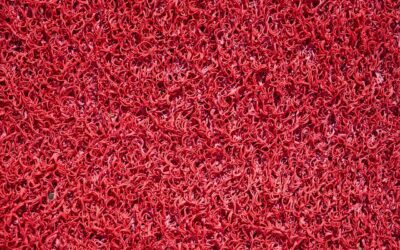
Carpet paint sounds like a gimmick, but it is a real technique that can rescue faded, stained, or outdated carpet for a fraction of the cost of replacement. Done correctly with the right products, it can refresh a tired floor, hide stubborn stains, or even change the color entirely. Done wrong, it leaves a stiff, splotchy mess. The difference comes down to choosing the proper product, preparing the carpet, and managing your expectations about what this approach can and cannot do.
Part of our Paint & Walls guide — explore the full guide →
This guide explains how carpet paint works, what products to use, where it succeeds, and where it falls short.
What Carpet Paint Actually Is
Carpet paint is not the same as wall paint. True carpet products fall into two main categories, and understanding the difference is essential before you start.
- Carpet dye: A liquid colorant that bonds with the fibers, soaking in to change their color while keeping the carpet soft. This is the gold standard for color change.
- Fabric or carpet paint: A pigment-based product, often diluted and applied with a sprayer, that coats the fibers. It can stiffen the pile if applied too heavily.
For most refresh jobs, properly formulated carpet dye gives the best results because it preserves softness. Regular latex wall paint should never be used, since it dries hard and ruins the texture.
Where Carpet Paint Works Well
This technique shines in specific situations. Knowing them helps you decide if it fits your project.
It works beautifully for darkening a light carpet that shows every stain, going from a worn beige to a forgiving deep gray or navy. It is excellent for reviving sun-faded areas near windows, and for refreshing rental units or basements where full replacement is not worth the cost. It can also rescue carpet with widespread discoloration that ordinary cleaning cannot fix.
Where Carpet Paint Falls Short
Be honest about the limitations so you are not disappointed. Carpet paint cannot lighten a dark carpet, since you can only dye darker, not lighter. It struggles to fully cover bold patterns or strongly contrasting stains, which may ghost through.
It also works best on synthetic fibers like nylon, which accept dye readily. Olefin and polyester are more resistant and may give uneven results. Wool dyes well but requires acid dyes and more skill. If your carpet is matted, badly worn, or coming apart, no amount of color will restore it, and replacement is the smarter move.
How to Apply Carpet Paint or Dye
Preparation makes or breaks the outcome. Rushing this step is the most common reason results look amateurish.
Step One: Deep Clean
Vacuum thoroughly, then deep clean the carpet and let it dry completely. Dye bonds poorly to dirty or oily fibers, so this step is non-negotiable.
Step Two: Mask and Protect
Tape off baseboards and use painter’s plastic on walls. Wear gloves and old clothes, since carpet dye stains skin and fabric readily.
Step Three: Apply Evenly
Mix the dye per the manufacturer’s directions and apply with a pump sprayer for even coverage, working in sections. Use a stiff brush or carpet rake to work the color down into the pile so the base of the fibers is colored, not just the tips.
Step Four: Dry and Ventilate
Allow full drying time, often 12 to 24 hours, with good ventilation. Keep traffic off the area until completely dry.
Cost and Time Expectations
Carpet dye is inexpensive compared with new carpet. A typical room can often be done for $50 to $150 in product, versus hundreds or thousands for replacement. A single room usually takes a half day plus drying time.
Factor in a pump sprayer, gloves, masking materials, and a carpet rake if you do not already own them. Even with these extras, the savings over replacement are substantial when the carpet is otherwise sound.
Spot Dyeing Versus Full Recoloring
You do not always need to recolor an entire room. Carpet dye is also useful for spot work, such as fixing a bleach stain, a sun-faded patch near a window, or a discolored area where a rug once sat.
Spot dyeing requires careful color matching and a light hand, since the goal is to blend the repaired area into the surrounding carpet. Build the color up gradually with a small applicator, checking the match as you go, because it is easy to overshoot and create a dark patch that stands out as much as the original flaw. For widespread fading or a full color change, recoloring the entire room gives the most uniform result, since spot work over a large, uneven area rarely blends seamlessly. Decide which approach fits your damage before you buy product.
How Long Carpet Paint Lasts
A common question is how durable dyed carpet really is. Properly applied carpet dye that has bonded into the fibers is permanent and will not rub off, since it colors the fiber itself rather than coating the surface.
It holds up to normal foot traffic and vacuuming, and quality dyes resist fading from cleaning. Pigment-based carpet paints that coat the fibers are less durable and can wear or stiffen over time, which is why true dye is preferred. The carpet will still wear out eventually from age and traffic, but the color itself should last as long as the carpet does. Avoid harsh bleaching cleaners afterward, since they can lighten any dye, and clean spills promptly to keep the refreshed color looking its best.
Tips for the Best Results
Always test on a hidden area or a scrap piece first to confirm how your specific carpet takes the color. Choose a color at least as dark as the existing carpet, and lean toward forgiving mid-to-dark tones that hide application unevenness.
Work methodically and keep a wet edge to avoid lap marks. Resist the urge to over-apply, since flooding the fibers leads to stiffness and uneven drying. After the carpet dries, vacuum gently to lift the pile and check coverage, touching up any thin spots.
Final Thoughts
Carpet paint, in the form of proper carpet dye, is a legitimate budget-friendly way to extend the life of carpet that is structurally fine but cosmetically tired. Match the product to your fiber, prepare the surface carefully, apply evenly, and keep your color goals realistic. For the right carpet and the right homeowner, it is a satisfying project that delivers a fresh floor at a tiny fraction of replacement cost.