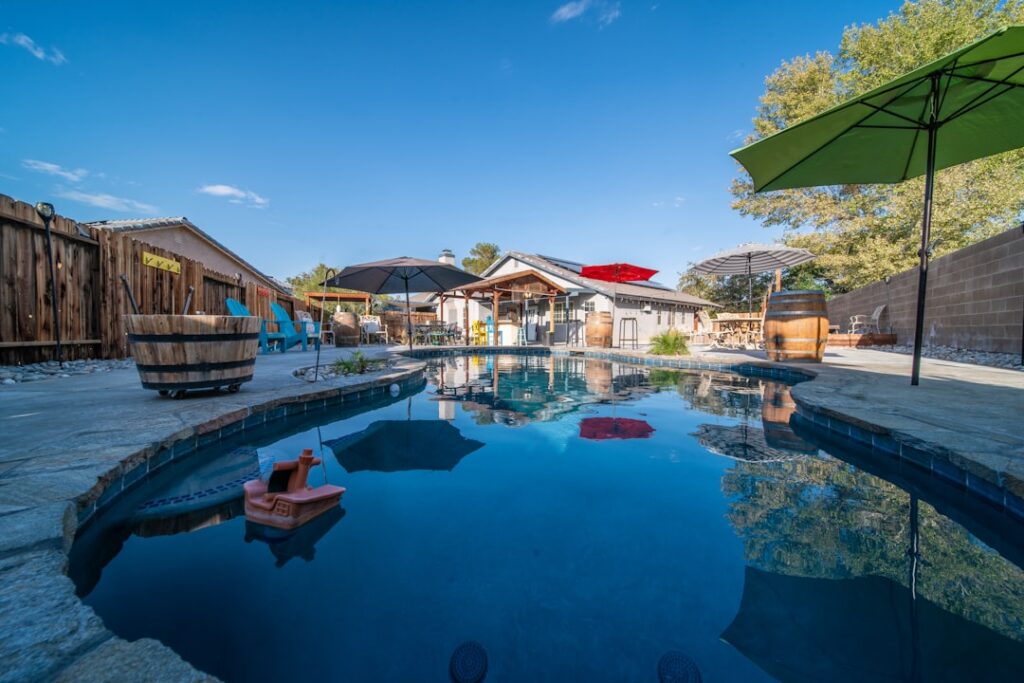
A resurfaced pool can look brand new again, smoothing away the rough patches, stains, and cracks that come from years of sun, chemicals, and water pressure wearing down the interior finish. No pool surface lasts forever; even quality plaster typically needs redoing every 8 to 15 years. Resurfacing not only restores the look but also reseals the shell against leaks and gives you the chance to upgrade to a more durable, better-looking finish. Knowing the options, costs, and warning signs helps you time the project right and choose the surface that fits your budget and climate.
Signs Your Pool Needs Resurfacing
Pools tell you when their surface is failing. Rough or chalky plaster that scrapes feet, persistent staining that won’t scrub away, and visible cracks or chips are the clearest signals. Exposed aggregate or dark spots where the finish has worn through to the substrate mean the protective layer is gone.
Another telltale sign is a pool that suddenly needs more frequent refilling. A failing surface can develop hairline cracks that leak water, and rising chemical demand often accompanies a deteriorating finish that no longer holds a stable surface.
Plaster: The Traditional Choice
White marcite plaster is the classic and most affordable pool finish. It gives that bright, smooth look and costs the least up front, typically $4 to $7 per square foot, or roughly $4,000 to $7,000 for an average pool.
The tradeoff is lifespan. Standard plaster lasts about 7 to 12 years before it needs redoing, and it’s the most prone to staining and etching from unbalanced water chemistry. For budget-minded owners who don’t mind resurfacing more often, it remains a solid option.
Aggregate and Pebble Finishes
Aggregate finishes mix quartz or pebbles into the plaster for a more durable, textured surface. Pebble finishes like the popular branded systems are the premium tier, prized for their natural look, slip resistance, and longevity.
- Quartz aggregate: $5 to $9 per square foot, lasts 10 to 15 years, more stain-resistant than plain plaster.
- Pebble finish: $8 to $15 per square foot, lasts 15 to 25 years, the most durable and natural-looking.
- Glass bead: a high-end option with shimmer and excellent chemical resistance.
The higher upfront cost of pebble pays back over time, since you resurface far less often than with basic plaster.
Tile and Fiberglass Options
Full tile finishes are the most expensive at $30 to $50-plus per square foot, but they’re nearly permanent and offer the most design flexibility. Most owners use tile only for waterlines and accents rather than the entire shell because of the cost.
Fiberglass resurfacing, applying a new gelcoat or fiberglass layer, suits existing fiberglass pools and some gunite shells. It creates a smooth, non-porous surface that resists algae and uses fewer chemicals, though it’s a specialized job best left to experienced installers.
What the Process Involves
Resurfacing is a multi-step project that takes about 5 to 10 days. Crews drain the pool, then chip out or prep the old surface, repair any structural cracks, and apply a bond coat. The new finish goes on, and the pool is refilled and balanced over the following days.
Timing matters. Most contractors prefer to work in mild weather between 50 and 90°F, since extreme heat or cold affects how plaster cures. Plan the project for spring or fall in most regions, and avoid the freeze-thaw window in colder climates.
Budgeting and Getting It Right
For a typical 16-by-32-foot in-ground pool, expect to spend $5,000 to $15,000 depending on the finish, with pebble and aggregate landing in the upper range. Always get multiple quotes and confirm what’s included, since draining, crack repair, and waterline tile can be billed separately.
The smartest long-term move is matching the finish to how long you plan to keep the home and how diligent you are with water chemistry. Maintain balanced pH and proper calcium hardness after resurfacing, and even mid-tier finishes will reach the top of their expected lifespan, protecting your investment for well over a decade.
Caring for a Freshly Resurfaced Pool
The first 30 days after resurfacing are critical, especially for plaster and aggregate finishes that are still curing. Many contractors recommend daily brushing of the entire surface for the first one to two weeks to remove plaster dust and prevent it from settling into blotches. Skipping this start-up brushing is one of the most common reasons a new finish looks uneven later.
Water chemistry needs close attention during this window, too. Test and balance pH, alkalinity, and calcium hardness frequently, since unbalanced water etches or stains fresh plaster quickly. Hold off on adding salt to a saltwater system for the first month, and avoid using an automatic pool cleaner until the surface has fully cured, so its wheels don’t mar the soft new finish.
Resurfacing vs. Replastering vs. a Liner
Homeowners sometimes confuse the options. Resurfacing is the broad term for applying any new interior finish to a gunite or concrete pool, while replastering specifically refers to applying new plaster. Aggregate and pebble jobs are resurfacing but not strictly replastering, even though the process is similar.
Vinyl-liner pools are a different animal entirely. Rather than resurfacing, they get a new liner, typically every 6 to 12 years at $1,400 to $4,500 installed. Fiberglass pools can be refinished with a new gelcoat but can’t be replastered. Knowing which construction you have, gunite, vinyl, or fiberglass, tells you which renewal path applies and roughly what to budget.
Making the Investment Last
The single biggest factor in how long your resurfaced pool stays beautiful is consistent water care. Keep pH between 7.4 and 7.6, alkalinity around 80 to 120 ppm, and calcium hardness in the recommended range for your finish. Water that drifts acidic etches the surface, while overly hard water leaves scale, and both shorten the finish’s life.
Brush the walls and floor weekly, run the filter long enough to turn the water over daily, and address stains promptly before they set. With disciplined maintenance, a quartz or pebble finish can comfortably reach 15 to 20 years, turning a several-thousand-dollar project into one of the best long-term values in pool ownership.