Choosing among the many retaining wall materials available is the decision that shapes everything about your project — the price, the lifespan, how hard it is to build, and whether it complements or clashes with your home. A retaining wall does serious structural work, holding back tons of soil and managing water, so the material has to be up to the job while also fitting your budget and your yard’s style. Get the choice right and the wall disappears into the landscape for decades; get it wrong and you’re rebuilding in a few years.
The best of the common retaining wall materials depends entirely on your wall height, your soil, your climate, and how much you want to spend. Let’s walk through each major option with real numbers so you can weigh them honestly.
- Segmental Concrete Block
- Natural Stone
- Poured Concrete
- Timber and Landscape Ties
- Gabion Walls
- Brick
- How to Choose the Right Material
- Don't Forget Drainage — Whatever You Choose
- Climate and Soil Considerations
- Permits and When to Hire an Engineer
- Maintenance by Material Type
- The Bottom Line on Choosing
Segmental Concrete Block
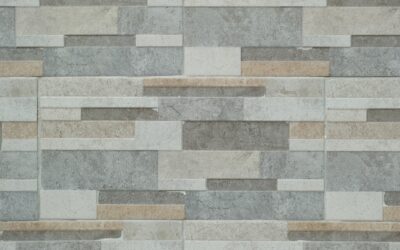
Interlocking concrete blocks are the most popular choice for residential walls, and for good reason. Systems from Allan Block, Versa-Lok, and Pavestone stack without mortar, using a built-in lip or pin to lock each course to the one below. They’re the friendliest option for a determined DIYer.
- Cost: $10 to $20 per square foot of wall face
- Durability: excellent, 40-plus years with proper drainage
- Difficulty: moderate — very DIY-friendly under 4 feet
- Look: uniform, comes in several textures and colors
For most homeowners building a garden terrace or a low-to-medium wall, segmental block hits the ideal balance of cost, strength, and buildability.
Natural Stone
Nothing matches the timeless look of a natural stone wall. Fieldstone, limestone, or granite can be dry-stacked or mortared, and a well-built stone wall becomes a permanent, beautiful feature of the landscape. The trade-off is labor and cost.
Stone is heavy, irregular, and slow to fit together — a genuine craft. Expect $25 to $50 per square foot installed, more for premium stone or intricate work. Dry-stacked walls flex with frost and drain naturally, while mortared walls need proper footings below the frost line. If budget allows and you want a wall that looks like it grew from the land, stone is unbeatable.
Poured Concrete
For maximum strength, especially on taller walls or where an engineer is involved, poured concrete is the heavyweight. A properly reinforced poured wall with steel rebar and footings can hold back enormous loads and lasts generations.
- Cost: $30 to $60 per square foot installed
- Durability: outstanding — the strongest common option
- Difficulty: high — forming and pouring is contractor work
- Look: plain by default, but can be stamped, stained, or faced with stone veneer
Concrete’s downside is appearance and DIY difficulty. Most people face it with stone veneer for looks, which adds cost but combines strength with beauty.
Timber and Landscape Ties
Pressure-treated timbers or landscape ties offer a warm, rustic look at a low price point, and they’re relatively easy to work with using standard tools. They’re a common choice for garden beds and shorter walls.
The catch is lifespan. Even pressure-treated wood in constant contact with wet soil typically lasts only 15 to 20 years before it rots, and older railroad ties contain creosote you don’t want near a vegetable garden. Budget $15 to $25 per square foot. Timber is fine for a temporary or budget wall, but it won’t match masonry longevity.
Gabion Walls
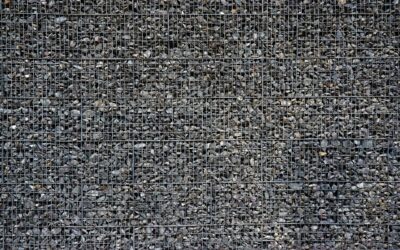
Gabions — wire cages filled with rock — have jumped from industrial use into stylish modern landscapes. They’re excellent at drainage because water passes right through, they flex without cracking, and they deliver a bold contemporary or naturalistic look depending on the fill stone.
- Cost: $20 to $40 per square foot depending on fill stone
- Durability: very good; galvanized cages resist corrosion for decades
- Difficulty: moderate — assembling cages and hand-placing stone is labor-intensive
- Look: modern, textural, and increasingly popular
Brick
Brick retaining walls suit traditional and historic homes beautifully, but brick alone isn’t structural enough for tall walls — it’s typically a facing over a concrete or block core. A full brick retaining wall requires skilled masonry and proper reinforcement, pushing costs to $30 to $50 per square foot. Choose brick when matching an existing brick home matters more than saving money.
How to Choose the Right Material
Weigh four factors together rather than picking on price alone.
- Wall height: under 4 feet opens up block and stone as DIY options; taller needs engineered concrete or reinforced systems
- Budget: timber and block are cheapest; stone and faced concrete cost most
- Style: match the material to your home and landscape — stone for rustic, block for clean lines, gabion for modern
- DIY skill: segmental block is the most forgiving; poured concrete and fine stonework are pro territory
Don’t Forget Drainage — Whatever You Choose
Every material on this list fails the same way if you ignore drainage: water builds up behind the wall, and hydrostatic pressure pushes it over. Regardless of what you build with, backfill with crushed gravel, install a perforated drain pipe at the base sloped to daylight, and separate the drainage zone from native soil with landscape fabric. This step is non-negotiable and matters more than the material itself.
Climate and Soil Considerations
Your local conditions should steer the material choice as much as budget and looks. In cold regions with deep frost, materials and footings must accommodate frost heave — mortared walls and poured concrete need footings below the frost line, while dry-stacked block and stone flex with the freeze-thaw cycle and drain freely.
- Freeze-thaw climates: favor free-draining systems like segmental block, dry stone, or gabion
- Clay-heavy soils: hold water and swell, demanding extra drainage behind any wall
- Sandy, well-draining soils: forgive more but still need a drain at the base
- Wet, high-water-table sites: gabion excels because water passes straight through
Match the material’s drainage behavior to your soil, and you sidestep the hydrostatic pressure that topples walls. Ignore it, and even the priciest stone wall fails as fast as the cheapest timber one.
Permits and When to Hire an Engineer
Regardless of material, know the rules before you build. Most jurisdictions let homeowners build a wall up to 3 or 4 feet without a permit or engineered plans, but the exact threshold varies by city, and it drops fast when a wall supports a surcharge load like a driveway, pool, or structure above.
Call your local building department and ask about the height trigger for permits and engineering. A tall wall, a wall on a steep or unstable slope, or one holding back a load near a foundation is engineering territory no matter what you build it from. Paying an engineer a few hundred dollars to spec a tall wall is far cheaper than the excavation, liability, and rebuild when an unengineered wall lets go. When in doubt, terrace the slope into shorter walls that stay under the permit threshold.
Maintenance by Material Type
Different materials age differently, and knowing what upkeep each demands helps you choose one you will actually keep up with. Some are nearly maintenance-free; others need periodic attention to reach their full lifespan.
- Concrete block: essentially maintenance-free; occasionally reset a cap or clear the drain outlet
- Natural stone: dry-stacked walls may need a stone reset now and then; mortared walls need repointing over decades
- Timber: the most demanding — inspect for rot, and expect replacement in 15 to 20 years
- Poured concrete: durable, but seal hairline cracks to keep water out of the rebar
- Gabion: minimal upkeep; check the wire cages for corrosion over the long term
Across every type, the recurring maintenance theme is water management. Keep the drain outlets clear, watch for erosion at the wall’s ends, and address any early bulging before it worsens. A well-drained wall of almost any material outlasts a poorly drained one built from premium stone.
The Bottom Line on Choosing
For most homeowners, interlocking concrete block delivers the best mix of affordability, durability, and DIY-friendliness for walls up to 4 feet. Step up to natural stone or stone-faced concrete when looks justify the premium, consider gabion for a modern statement, and reserve timber for budget or short-term walls. Whatever you choose, respect the height limits, pull a permit when required, and build the drainage right — the material sets the character, but the base and drainage decide whether the wall lasts.