The average insurance claim for hail-related roof damage in 2025 ran just over $13,500, and roughly half of those claims involved damage that the homeowner did not realize they had until a contractor knocked on the door after a storm. Knowing what real damage looks like, how to document it before a contractor sees it, and how to navigate the insurance and bidding process is the difference between a fair settlement and either an underpaid claim or a fraudulent overbid. This guide covers the practical steps from binoculars in the driveway to final invoice.
Part of our Roofing guide — explore the full guide →
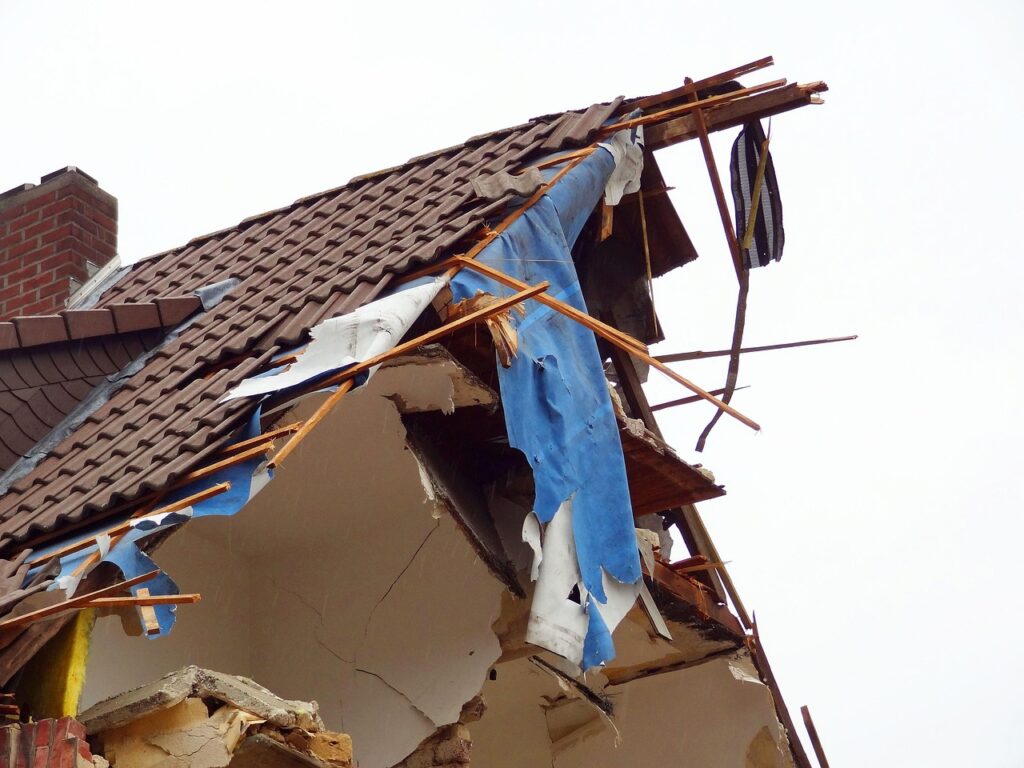
The Five Categories of Damage
Most roofing problems fall into one of five buckets, each with different repair paths:
- Wind: lifted, creased, or missing shingles, especially along ridgelines and edges
- Hail: circular bruises, missing granules, exposed mat — typically random across the field of the roof
- Impact: tree limbs, ice, or windblown debris causing localized damage
- Water-related: deteriorated flashing, ice dams, ponding water, slow leaks at penetrations
- Age and weathering: curling, blistering, splitting, granule loss not from a single event
The category matters because insurance covers the first four (sudden and accidental events) and almost never covers the fifth (gradual wear and tear). Documenting the cause-of-loss event clearly is the foundation of any successful claim.
Spotting Damage From the Ground
Before climbing anything, walk the perimeter of the house with a pair of binoculars in good light. What to look for:
- Shingles that look dark or shiny in spots — granule loss exposes the asphalt mat
- Shingles lifted or curled at the edges, especially after a wind event
- Missing shingle tabs or full shingles entirely off the roof
- Bent or torn flashing at chimneys, vents, and skylights
- Gutters full of granules — significant amounts indicate hail impact or aged shingles
- Dents on metal vents, gutters, downspouts, or HVAC equipment — confirms hail size
- Soft or sagging roof deck visible from inside the attic
The HVAC and gutter check is the most useful tell for hail. Insurance adjusters use the same trick — if the metal turbine vents and gutter caps are pristine, hail probably did not hit your roof hard enough to damage shingles either. Conversely, dented metal everywhere supports a strong claim.
Climbing the Roof Safely (or Not)
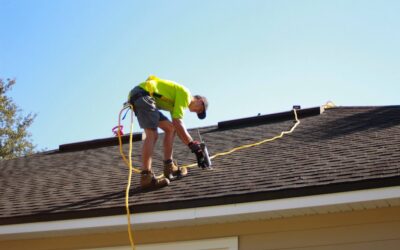
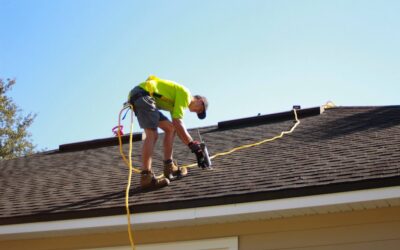
If the roof pitch is greater than 6/12 (about 27 degrees) or the roof is two stories up, do not climb it yourself. Hire a roofer for an inspection — most reputable companies offer free post-storm inspections. For lower pitches and single-story homes, you can walk the roof in soft-soled shoes on a dry day with a partner spotting from the ladder.
What to photograph from the roof itself:
- Wide-angle shots of each roof slope
- Close-ups (within 12 inches) of any damaged area, with a coin or ruler for scale
- Flashings at chimneys, walls, and penetrations
- Ridge cap shingles end-to-end
- Valleys with attention to wear patterns
Take more photos than you think you need. Memory cards are cheap; a denied claim because of insufficient documentation is expensive.
Documenting for Insurance Properly
Insurance adjusters are trained to push back on weak claims. The documentation that strengthens a claim:
- Date, time, and weather report from the day of the event (NOAA Storm Events Database is free)
- Hail size verified by NOAA or a local weather service — match the report to the bruise diameter on shingles
- Wide-angle and close-up photos taken before any temporary repairs
- Photos showing collateral damage on hard surfaces (HVAC fins, gutters, fence caps)
- A written statement of when you first noticed the damage and what you did about it
File the claim within the policy’s reporting window — typically one year for hail damage in most states, but some policies require notification within 30 to 60 days of the event. Read your policy.
Getting Fair Quotes From Contractors
The roofing industry attracts both excellent local companies and traveling storm chasers who follow weather events from state to state. Vetting checklist:
- Verify a permanent local address and at least 5 years in business under the same name
- Confirm state contractor license and required state-specific bonding
- Ask for proof of general liability insurance ($1M minimum) and workers’ compensation
- Get at least three written quotes itemized by line — not just total price
- Read at least 30 reviews across Google, BBB, and the contractor’s state license complaint database
- Confirm warranty terms in writing — labor warranty length, manufacturer shingle warranty registration
The biggest red flag is a contractor offering to “handle the insurance claim” or “waive your deductible.” Both practices are illegal in most states and a strong indicator the company is operating fraudulently.
Repair vs Replace: Making the Call
The decision points:
- Repair makes sense when: damage is localized to one slope, the rest of the roof has 7-plus years of useful life left, and the matching shingles are still in production
- Replace makes sense when: damage covers more than one slope, the roof is 15-plus years old, multiple layers of shingles already exist, or matching shingles are discontinued
Insurance often pays for full replacement when more than 25 percent of any slope is damaged because of the difficulty of matching weathered shingles. Push for full replacement on hail claims when the documentation supports it.
Realistic Costs in 2026
National installed pricing for asphalt shingle work:
- Single shingle replacement: $120 to $300 minimum service call
- Spot repair (10 sq ft area): $400 to $900
- Full re-roof, 1,800 sq ft single-story, architectural shingles: $9,500 to $16,500
- Full re-roof, 2,500 sq ft two-story complex roof: $14,000 to $26,000
- Metal standing seam upgrade: 2 to 3 times the cost of architectural shingles
A claim paid out as a replacement on average covers 70 to 90 percent of the contractor’s quote, with the deductible and depreciation accounting for the gap. Recoverable depreciation can typically be claimed back once the work is completed.
Preventing Future Damage
Three habits that meaningfully reduce future roof damage and extend roof life:
- Trim trees so no branch overhangs within 10 ft of the roof edge
- Inspect the roof twice a year (spring and fall) and after any major storm event
- Clean gutters at least twice a year — clogged gutters drive water under shingles and cause edge rot
A roof is a 25 to 30 year investment when it is installed and maintained properly. Treat damage events seriously, document them well, and the system protects everything inside the house for decades.