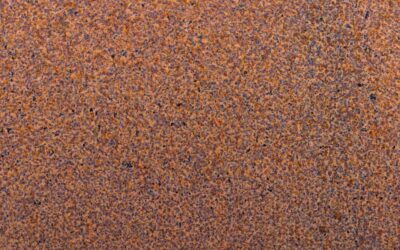
Terracotta pots, autumn leaves, worn leather, the color rust taps into a whole palette of things that feel warm and grounded, which is exactly why a rust orange rug has become one of the most sought-after ways to inject color into a neutral home. It is bold without being loud, saturated yet earthy, and it plays remarkably well with the beiges, creams, and woods that dominate modern interiors. If your rooms feel a little flat and safe, a rust rug is often the single piece that brings them to life.
- Why Rust Orange Is Having a Moment
- Colors That Pair Beautifully With Rust
- Best Rooms for a Rust Orange Rug
- Choosing the Right Shade and Style
- Material and Traffic Considerations
- Styling Tips to Pull It Together
- Care and Longevity
- What It Costs
- The Warm Accent Your Rooms Are Missing
- Frequently Asked Questions
Why Rust Orange Is Having a Moment
Rust sits at the crossroads of two big design trends: the return of warm tones after years of cool gray, and the ongoing love of earthy, nature-inspired palettes. Because it is a muted, brown-tinged orange rather than a bright neon, it reads as sophisticated and timeless instead of trendy. It brings instant warmth to a space, making large or minimalist rooms feel cozier, and it pairs with an unusually wide range of other colors. That combination of impact and flexibility is why designers keep reaching for it.
Colors That Pair Beautifully With Rust
The right companions turn a rust rug from a standalone splash into a cohesive scheme.
- Cream and beige — the classic pairing; neutral walls and furniture let the rust glow without competition.
- Deep teal and navy — cool blues and greens are the complementary opposite of orange, creating rich, balanced contrast.
- Olive and sage green — reinforces the earthy, organic feel for a grounded, natural room.
- Charcoal and black — anchors the warmth and gives a modern, high-contrast edge.
- Warm wood and leather — walnut, oak, and cognac leather echo the rug’s tones for a layered, lived-in look.
Best Rooms for a Rust Orange Rug
Because it radiates warmth, rust works especially well in rooms meant for gathering and relaxing. In a living room, it anchors the seating area and makes the space feel inviting, particularly effective against a gray or cream sofa. In a bedroom, a rust rug adds a cocooning warmth underfoot. It also shines in home offices and reading nooks, where its energizing yet calming tone strikes a nice balance. Even entryways benefit, a rust runner disguises dirt well while making a warm first impression.
Choosing the Right Shade and Style
Rust is a family of tones, not a single color, so consider where on the spectrum you want to land.
- Deep, brown-heavy rust — the most versatile and forgiving, hides soil and reads as a sophisticated neutral.
- Bright terracotta — more orange and lively, great for boho and Southwestern styles.
- Faded and distressed rust — vintage-inspired designs with subtle color variation that feel collected and timeless.
- Solid or textured rust — a plush solid or a subtle tone-on-tone texture for a modern, understated statement.
Persian and vintage-style patterns in rust tones are perennially popular because the color feels authentically at home in traditional motifs, while a solid rust rug suits contemporary and minimalist spaces.
Material and Traffic Considerations
Match the fiber to the room’s use. For a busy living room, a durable, stain-resistant polypropylene or a wool blend holds its rich color and stands up to foot traffic. Wool is the premium choice, its natural fibers take dye beautifully and give rust rugs a depth and resilience synthetics struggle to match. In lower-traffic bedrooms, you can prioritize softness with a plush polyester or high-pile design. Rust’s naturally warm, medium-dark tone is forgiving of everyday dirt, a practical bonus that makes it easier to live with than pale rugs.
Styling Tips to Pull It Together
A rust rug works best when its color is echoed, even subtly, elsewhere in the room. Repeat the tone in a throw pillow, a piece of pottery, a framed print, or a stack of books so the rug feels intentional. Keep the surrounding palette relatively calm so the rug remains the focal point, then layer in texture, a nubby throw, a leather chair, a woven basket, to build on its earthy character. If the room feels too warm overall, a touch of cool contrast like a blue-green plant pot or navy pillow keeps the scheme balanced.
Care and Longevity
Rust rugs are forgiving, but a little maintenance keeps the color vivid.
- Vacuum regularly to prevent grit from dulling the surface.
- Rotate periodically so sun exposure fades the rug evenly, as orange dyes can lighten over years of direct sunlight.
- Blot spills promptly; the medium-dark tone hides minor marks, but quick action prevents set-in stains.
- Use a rug pad to extend the rug’s life and keep it in place.
What It Costs
Prices vary by size and material. A machine-made polypropylene rust rug in a 5×7 runs roughly $80 to $180, while an 8×10 lands around $150 to $400. Wool and vintage-style pieces cost more, often $400 and up in larger sizes, but reward you with richer color and longer life. Runners and accent sizes start well under $100, an easy way to test the color before committing to a large rug.
The Warm Accent Your Rooms Are Missing
A rust orange rug is one of the most effective ways to turn a cool, neutral room into a warm, welcoming one. It carries real personality while remaining surprisingly easy to pair, sitting comfortably alongside creams, blues, greens, and natural wood. Choose a shade that fits your style, from deep and neutral to bright terracotta, echo the color in a few small accents, and layer in texture around it. The result is a room that feels grounded, inviting, and full of the kind of warmth that makes people want to linger.
Frequently Asked Questions
What colors go best with a rust orange rug?
Cream and beige let the rust glow without competition, while deep teal and navy provide rich complementary contrast, since blue sits opposite orange on the color wheel. Olive and sage reinforce the earthy feel, charcoal and black add modern edge, and warm woods and cognac leather echo the rug’s tones for a layered look.
Is rust orange a trendy color that will date quickly?
Because rust is a muted, brown-tinged orange rather than a bright neon, it reads as earthy and timeless rather than of-the-moment. It draws on natural, enduring references like terracotta and autumn foliage, so it tends to age far better than a saturated primary color.
Which rooms suit a rust rug best?
Rust radiates warmth, so it shines in gathering and relaxing spaces, living rooms, bedrooms, reading nooks, and home offices. It looks especially good against a gray or cream sofa. A rust runner also works beautifully in an entryway, where the medium-dark tone hides tracked-in dirt.
Does rust orange hide dirt well?
Yes. Its warm, medium-to-dark tone camouflages everyday soil and foot traffic far better than pale rugs, which is part of its practical appeal. Deeper, brown-heavy rust shades hide the most.
Will the color fade in sunlight?
Orange dyes can lighten over years of direct sun. Rotate the rug periodically for even fading, and use a colorfast or solution-dyed synthetic in bright rooms to keep the tone vivid.