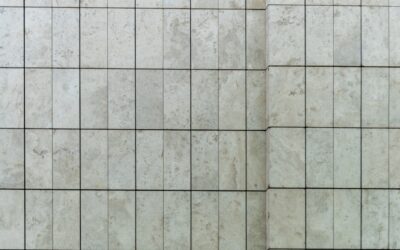
French chateaux, English country kitchens, and Tuscan farmhouses share one floor in common: limestone that looks like it has been walked on for 400 years. Rustic limestone flooring achieves that aged character through tumbling, brushing, antiquing, or natural-cleft finishing of stone quarried in France, Israel, Turkey, Portugal, and India. The result is a soft, warm, slightly textured surface unmatched by porcelain mimics, and the installed cost can run anywhere from $15 to $50 per square foot depending on origin and finish.
What Makes Limestone Rustic
Rustic in this category refers to the finish, not the stone itself. Limestone is naturally porous calcium carbonate sedimentary rock; the rustic appearance comes from post-quarry processing. Tumbling rotates cut stones in drums with abrasives to round edges and create surface dimpling. Brushing uses wire wheels to expose the soft minerals between hard inclusions. Antiquing acid-washes the surface to create open texture and color depth. Natural cleft splits the stone along its bed, leaving a riven, irregular face. Each finish reads differently and suits different rooms.
Best Limestone Origins for Rustic Floors
Geography matters because each quarry produces stone with different density, color, and weathering character:
- French (Burgundy, Jura): $20-$50 per sq ft. Warm cream to honey tones with fossils. The premium choice for Old-World interiors.
- Jerusalem/Israeli: $12-$28 per sq ft. Beige, gold, and bone shades. Dense and widely used in Mediterranean designs.
- Turkish (Cappuccino, Sand Wave): $10-$22 per sq ft. Soft beige with subtle veining. Strong value alternative to French.
- Portuguese (Moca Creme): $9-$18 per sq ft. Light beige with shell fossils. Common in commercial and residential interiors.
- Indian (Kota, Tandur): $5-$12 per sq ft. Warm yellow to gray. Affordable but softer and more prone to scratching.
For interior bedroom and living-room floors, French Burgundy and Jura limestone deliver the most authentic period look but at twice the price of Turkish or Portuguese alternatives. Jerusalem limestone splits the difference on cost and durability.
Finish Options Compared
Three finishes dominate rustic specifications. Tumbled finish softens edges and creates the classic dimpled face seen in French country kitchens; it costs $2 to $4 per square foot more than honed. Brushed finish exposes natural texture without rounded edges, suiting modern-rustic and transitional interiors. Antiqued or “old French” finish combines tumbling, brushing, and sometimes mechanical chiseling at edges to create a stone that genuinely looks like it has been walked on for centuries; expect $4 to $8 per square foot premium.
Cost Per Square Foot Installed
Budgets for rustic limestone span widely. Standard Turkish or Portuguese tumbled limestone installs at $18 to $30 per square foot all-in. French Burgundy or Jura tumbled pushes $35 to $55 installed. Add hydronic radiant heat at $8 to $14 per square foot and an uncoupling membrane like Schluter Ditra at $2 to $4 per square foot for a complete French country kitchen install in the $50 to $70 range.
Slip Safety and Surface Texture
Rustic finishes excel at slip resistance. Tumbled limestone routinely tests at wet DCOF 0.55 to 0.75 per ANSI A326.3, well above the 0.42 minimum for general interior traffic and above the 0.60 required for wet rooms. Antiqued finishes push higher still. Honed limestone, despite being smoother, still tests 0.45 to 0.55 wet because the open-pore surface holds traction. Polished limestone is rare and slippery, falling below 0.42 wet and inappropriate for any wet zone.
Subfloor Prep and Installation
Limestone weighs 12 to 16 pounds per square foot at 3/4 inch thickness. Wood-framed floors need joist deflection checked at L/720 per Tile Council of North America TCNA standards. Add 1/2 inch cement backer board or Schluter Ditra over plywood subfloor, set tiles with polymer-modified thinset like Mapei Kerabond Plus or Laticrete 254 Platinum, and use 1/4 inch to 1/2 inch joints to match the rustic aesthetic. Wider joints filled with sanded grout in a tone two shades darker than the stone enhance the period look.
For radiant heat installations, use a Schluter Ditra-Heat membrane that integrates heat cables and uncoupling in one product. Radiant heat is nearly mandatory for limestone bedrooms and living rooms in cold climates because the stone feels cold underfoot in winter even more so than ceramic tile.
Sealing and Long-Term Care
Limestone is the most porous of common floor stones and requires aggressive sealing. Apply a penetrating sealer like StoneTech BulletProof, Aqua Mix Sealer’s Choice Gold, or Miracle 511 Impregnator before grouting (to prevent grout haze) and again after grout cures. Reseal every 12 months in kitchens, every 18 to 24 months in living rooms and bedrooms. Test sealer effectiveness with a water-bead test: drops should bead for at least 5 minutes; if they absorb faster, reseal.
Daily cleaning uses pH-neutral stone cleaners like Granite Gold Daily Cleaner or Method Daily Granite. Never use vinegar, citrus juice, or any acidic cleaner; the calcium carbonate dissolves and etches permanently. Even tomato sauce and red wine can etch unsealed limestone within hours, so spill response speed matters. Blot with a damp microfiber, then clean with pH-neutral cleaner.
Brand Spotlight: Walker Zanger and Ann Sacks
For premium rustic limestone in North America, Walker Zanger and Ann Sacks dominate the designer-specified end of the market. Walker Zanger’s Burgundy and Loire collections source French limestone in tumbled, brushed, and antiqued finishes at $30 to $55 per square foot material. Ann Sacks Tribeca and Old World collections offer similar pricing with broader pattern selection. Both showrooms stock 24-by-24 and 24-by-36 large-format tiles that suit modern rustic interiors better than the 12-by-12 standard. For value alternatives, Stone Source and TileBar carry Turkish and Portuguese rustic limestone at half the price.
Final Verdict
Rustic limestone flooring is the right choice when timeless character, natural texture, and Old-World aesthetics matter more than budget or low-maintenance convenience. Specify French or Israeli stone for top-end projects, Turkish or Portuguese for great value, and commit to the annual sealing routine that protects the floor for the next 100 years. Pair with radiant heat in any cold-climate installation, install over a properly engineered substrate with L/720 deflection, and budget $25 to $50 per square foot for a result that anchors a kitchen, foyer, or wine cellar across multiple generations of ownership.
Prefer to explore on your own?
See how new flooring looks in your actual room in seconds — free, no signup.
Try the free Floor Studio →