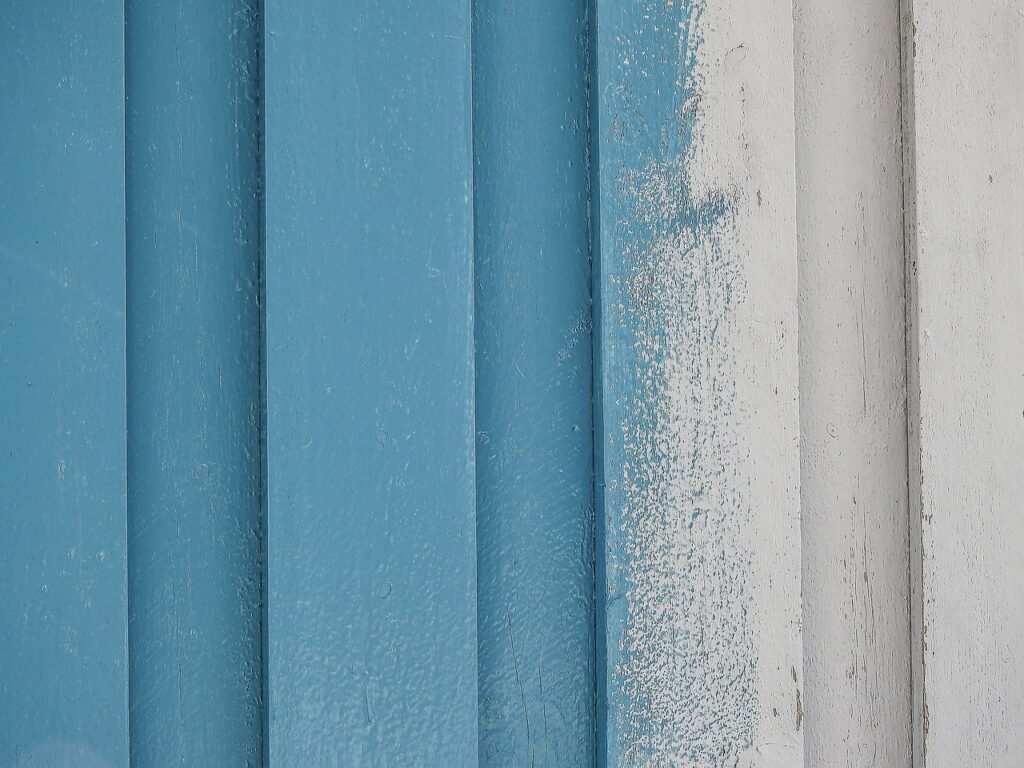
The crisp, factory-perfect paint finish that dominated home design for two decades has lost ground to a softer, more honest look that shows the hand of the maker. Modern rustic paint finishes use milk paint, chalk-style paint, lime wash, and intentional distressing techniques to add age and character to furniture, accent walls, cabinets, and exterior trim. The result reads warm and lived-in rather than glossy and showroom-ready, and the techniques are forgiving enough that homeowners with no painting background can produce professional-looking results on the first try.
Part of our Paint & Walls guide — explore the full guide →
Milk Paint vs Chalk Paint vs Lime Wash
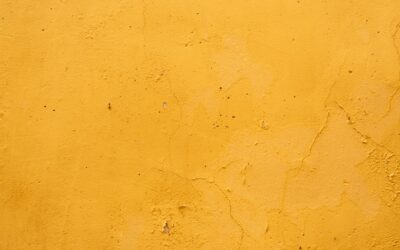
Three product categories dominate the rustic paint world, and they are not interchangeable. Milk paint is the oldest, made from casein protein, lime, and natural pigments. It dries to a thin, matte, slightly translucent finish that chips and ages beautifully. Chalk-style paint is a thick acrylic with a heavy mineral additive that produces a velvety matte film. Lime wash is mineral pigment suspended in slaked lime, which carbonates into the wall surface and creates a mottled, soft, almost cloudy texture.
Pick milk paint for furniture you want to look genuinely old. Pick chalk paint for cabinets and furniture you want to look weathered but durable. Pick lime wash for walls.
Top Rustic Paint Brands
The best products in each category from current US retail:
- Real Milk Paint Company milk paint, $25 to $40 per quart
- Old Fashioned Milk Paint Co. milk paint, $20 to $35 per quart
- Annie Sloan Chalk Paint, $42 per quart
- Behr Chalk Decorative Paint, $19 per quart at Home Depot
- Rust-Oleum Chalked Ultra Matte, $14 per quart
- Romabio Classico Limewash, $80 per gallon
- Portola Roman Clay or Lime Wash, $90 to $120 per gallon
Big-box brands like Behr and Rust-Oleum offer reasonable performance at one-third the price of artisan brands. The premium brands earn their pricing in pigment depth and coverage rather than long-term durability.
Surface Prep for a Rustic Finish
Rustic paint is forgiving of imperfect surfaces but still needs basic prep. For furniture and cabinets:
- Clean with a degreasing cleaner like Krud Kutter or TSP substitute
- Rinse with plain water and dry fully
- Lightly scuff sand glossy surfaces with 220 grit paper
- Wipe with a tack cloth to remove dust
- Apply a stain-blocking primer to bleed-prone woods like pine, mahogany, or oak
Walls for lime wash need bare drywall or masonry primer. Avoid lime wash over latex paint without applying a specialty mineral primer like Romabio Mineral Shield first.
Application Techniques
Each rustic paint type has its own application method. Milk paint goes on with a natural bristle brush in two thin coats, brushed in random directions rather than tight parallel strokes. Chalk paint applies with a flat synthetic brush in slightly thicker coats and benefits from a wax or polycrylic top coat once dry.
Lime wash brushes on with a wide masonry brush in cross-hatched X strokes, then gets blended with a damp sponge while still wet. The blending creates the soft mottled effect that makes lime wash recognizable. Plan on two thin coats for full coverage with another 24 hours between coats.
Distressing for Authentic Wear
Rustic paint looks best with intentional distressing in places where natural wear would occur. Focus on:
- Cabinet edges, especially around handles and door pulls
- Chair legs near floor contact points
- Dresser drawer fronts at the corners and pull areas
- Tabletops at the edges and around the center
- Door panels at the leading edge near the latch
Sand lightly with 220 grit, then refine with 320 or 400 grit to soften the transitions. The goal is wear that looks earned, not damage that looks intentional. Step back every few minutes to check the overall effect.
Color Palettes That Read Rustic
Certain colors anchor the rustic look better than others. The palette leans toward muted, slightly grayed-out tones rather than pure saturated hues. Try these proven combinations:
- Soft cream, sage green, and warm white
- Faded denim blue, antique white, and barn red
- Putty, mustard, and weathered gray
- Charcoal, bone white, and aged copper
- Driftwood gray, sand, and ochre
Skip bright primary colors and pure neon-base whites. Both fight the natural patina that rustic finishes celebrate. Test colors on a 12 by 12 inch sample board before committing to a full project.
Sealing and Top Coats
Different rustic paints need different sealers. Milk paint accepts hemp oil, walnut oil, or a thin wax finish like Real Milk Paint Soft Wax. Oil sealers darken the paint slightly, similar to how water darkens wood. Test on a hidden area first.
Chalk paint needs a wax or water-based polycrylic top coat for any high-touch surface like a table or cabinet. Annie Sloan Soft Wax in clear or dark tints adds depth and protection. For high-wear surfaces, use General Finishes Flat Out Flat polycrylic, which keeps the matte chalk look while protecting against water rings and abrasion.
Lime wash needs no sealer for interior walls. For exterior application, top coat with Romabio Mineral Shield, which preserves the breathable mineral finish while adding water resistance.
Cost and Coverage Expectations
Plan on these coverage numbers:
- Milk paint, 70 to 90 sq ft per quart at two coats
- Chalk paint, 120 to 150 sq ft per quart at two coats
- Lime wash, 200 to 300 sq ft per gallon at two coats
A typical six-drawer dresser uses one quart of chalk or milk paint. A 12 by 14 foot accent wall in lime wash uses about one gallon. Add 10 to 20 percent for distressing and touch-ups during finishing.
Where Rustic Paint Works Best
Rustic finishes shine in farmhouse, cottage, modern country, and Mediterranean interiors. They work on kitchen islands, bathroom vanities, dining hutches, mantles, dresser pieces, and lime-washed feature walls in living rooms. Skip rustic paint on glass, slick laminate without a heavy bonding primer, and any surface that gets soaked daily like the inside of a sink cabinet. Outside those exceptions, the finish is one of the most beginner-friendly upgrades in the painting world.