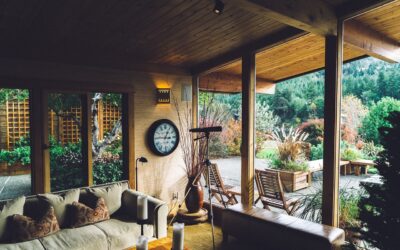
In warm, buggy climates, the lanai is where people actually live from spring through fall, and the screen cage is what makes that possible. A screen lanai enclosure is an aluminum frame filled with insect screen that wraps a covered patio or lanai, keeping out mosquitoes, leaves and lizards while letting breezes through. Most new enclosures cost somewhere in the low to mid five figures for a typical lanai, with the final number driven by size, roof style, wind-load engineering and local permit rules.
The frame matters more than the mesh. In hurricane-prone areas, the enclosure must be engineered for local design wind speeds, anchored to a slab or footings and permitted. A cheap cage built without that engineering can fail in the first serious storm and take gutters, fascia and lanai furniture with it.
Here is what goes into an enclosure, how pricing breaks down, how wind ratings work, when rescreening beats replacement, and what to ask contractors before you sign.
What a Screen Lanai Enclosure Includes
A lanai is usually a covered patio built under the main roof of the house. Enclosing it means filling the open sides between the roof and the slab with a framed screen wall. A screen lanai enclosure typically includes:
- Aluminum framing: extruded posts, beams, purlins and chair rails, sized by engineering for the span and wind load.
- Kick plate: a solid aluminum panel along the bottom, often 12 to 24 inches tall, that resists impact from pets, toys and mowers.
- Screen mesh: standard insect screen, heavier pet-resistant mesh, tighter no-see-um mesh or solar mesh for shade and privacy.
- Doors: at least one screen door, often with a closer and a lock.
- Anchors and fasteners: stainless or coated fasteners and engineered anchors into the slab and house framing.
When the enclosure also has its own roof, either screen or solid, it becomes closer to a full pool cage or a screen room. Those are separate project types with larger structures and higher costs.
Screen Lanai Enclosure Cost Ranges
Prices vary widely by region and contractor workload, so treat these as general ranges and get several local quotes.
- Small front-wall enclosure under an existing roof (one side open): often a few thousand dollars.
- Typical three-sided lanai under the house roof: commonly in the mid four figures to low five figures.
- Large or tall enclosures with multiple doors, heavy-duty framing or engineered upgrades: low to mid five figures.
- Enclosures with their own screen roof (a cage extending past the house roof): substantially more, especially with long spans.
- Rescreening only (frame in good shape): usually a fraction of a new enclosure, often priced per panel or per square foot of mesh.
Screen lanai cost climbs with height, the number of bays, door count, mesh upgrades and complex roof tie-ins. Permit and engineering fees add a few hundred dollars or more in many jurisdictions. Removing an old, damaged cage adds disposal labor.
What drives the price up
- Higher design wind speeds that require heavier extrusions and more anchors
- Tall walls over about 10 feet
- Bronze or custom powder-coat colors versus standard white
- Pet screen, no-see-um or privacy mesh upgrades
- Uneven slabs that require footings or slab repair
- Second doors, double doors or pet doors
Framing and Hurricane Wind Ratings
Aluminum is the standard framing material because it does not rust, rot or need painting. What changes from one enclosure to another is the size and wall thickness of the members. Contractors refer to extrusions by their dimensions, such as 2 by 2, 2 by 3, 2 by 5 or larger beams, and the engineer specifies which ones go where based on span and loads.
In coastal and hurricane regions, local building codes set a design wind speed for each area. Screen enclosures are engineered to meet those loads with the mesh in place, since screens catch more wind than open air. Two practical points follow from that:
- Anchoring is critical. Posts must be secured to the slab or to footings with engineered anchors, and the top of the enclosure must tie into the house framing or a beam rated for the load. Fastening only into soffit or fascia is a common shortcut that fails in storms.
- Screen panels may be designed to sacrifice. Some enclosures are engineered so that screen panels, often on the roof section, can be cut or blow out in extreme winds to protect the frame. Ask your contractor how the design handles storms and whether panels should be removed before a hurricane.
A reputable builder can show you the engineering drawings and the wind speed the design meets. If a quote does not mention engineering or permits in a hurricane zone, keep shopping.
Structural Safety and Permits
Because an enclosure is a structure exposed to wind, treat it like one. Almost all jurisdictions require a building permit for a new screen enclosure, and many require one for replacing framing. HOAs often control color, height and visibility from the street, so get approval before ordering materials.
- Anchor all posts into a sound slab or engineered footings, and tie the top securely into roof framing or a beam rated for the load.
- If footings require digging, call 811 a few days ahead so underground utilities are marked.
- Check the slab for cracks, settlement or thin edges before installation; posts anchored to a weak edge can pull out.
- Do not attach heavy items such as hammocks, swings or ceiling fans to screen framing unless the engineer allowed for that load.
- After a major storm, inspect anchors, connections and the house tie-in before using the space.
Rescreening vs Replacing
Mesh typically lasts many years in sun and salt air before it sags, tears or turns brittle. When the aluminum frame is straight, anchors are tight and no members are corroded at the base, rescreening is the smart move. Crews remove old spline and mesh, install new screen and fresh spline, and the enclosure looks nearly new.
Replace the enclosure instead when you see bent or cracked members, posts lifting from the slab, heavy corrosion where aluminum meets concrete or steel fasteners, or framing that was clearly undersized for your wind zone. Rescreening a failing frame only delays a bigger repair.
DIY rescreening basics
A single panel is a manageable DIY job with a spline roller, utility knife, new spline and mesh. Pull the old spline, lay the new mesh over the channel, roll it in starting at one corner, keep tension moderate so the frame does not bow, and trim the excess. Whole-enclosure rescreening, tall panels and anything requiring a ladder at height is faster and safer with a crew.
Choosing Mesh for Your Lanai Patio Enclosure
- Standard 18 by 14 or 18 by 16 mesh: best visibility and airflow, the usual default.
- Pet-resistant mesh: much tougher vinyl-coated polyester for the lower panels where dogs and cats push.
- No-see-um mesh: tighter weave for areas with tiny biting insects; slightly reduced airflow.
- Solar or privacy mesh: reduces heat and glare on west-facing walls and blocks views from neighbors.
Many owners mix meshes: pet screen below the chair rail, standard mesh above, and solar mesh only on the hottest side.
Troubleshooting and Maintenance
- Sagging panels: spline has shrunk or popped out. Re-roll or replace spline in that panel.
- Door drags or will not latch: adjust hinges and the closer; check that the post has not shifted.
- White powder on aluminum: surface oxidation. Wash with mild soap and water and rinse well.
- Corrosion at post bases: look for dissimilar metal contact or standing water; have a contractor evaluate.
- Gaps at the slab: add or replace the bottom sweep or kick plate seal.
Rinse the screens and frame a few times a year, especially near salt water, and clear leaves from the base track.
When to Call a Pro
New enclosures, frame replacements and any work tying into the house roof belong with a licensed screen enclosure or aluminum contractor who pulls permits and supplies engineering. Get at least three quotes, confirm license and insurance, ask what design wind speed the cage meets, and confirm who handles the permit and inspections. A well-built screen lanai enclosure gives you years of comfortable outdoor living; a poorly anchored one is a liability every storm season.
Frequently Asked Questions
How much does it cost to screen in a lanai?
A typical three-sided lanai under an existing roof often falls in the mid four figures to low five figures. Size, height, door count, mesh upgrades and wind-load engineering push the price up or down.
Do I need a permit for a lanai screen enclosure?
In most areas, yes. New enclosures and frame replacements usually require a building permit, and hurricane regions require engineering for local wind speeds. HOAs may also require approval.
Will a screen enclosure survive a hurricane?
Properly engineered and anchored enclosures are designed for local wind loads, and some include panels meant to release in extreme winds to protect the frame. Undersized or poorly anchored cages are the ones that commonly fail.
How often should lanai screens be replaced?
Mesh often lasts many years before sun and salt air break it down. Rescreen when panels tear, sag or turn brittle, as long as the aluminum frame and anchors are still sound.
What is the difference between a lanai enclosure and a pool cage?
A lanai enclosure usually screens the open sides of a patio under the house roof. A pool cage is a larger freestanding structure with its own screen roof spanning the pool deck, which costs more.