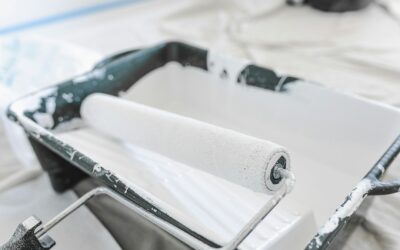
Sherwin Williams Cashmere paint is an interior latex line built around one idea: a smooth, low-stipple finish that hides roller texture and looks rich on walls. It sits in the middle of the maker’s interior lineup, marketed as paint and primer in one, scrubbable, and low in VOCs. Most people who choose it want walls that look almost velvety without stepping up to the most expensive line.
Part of our Paint & Walls guide — explore the full guide →
On paper the numbers are straightforward. The product data sheet lists coverage of 350 to 400 square feet per gallon, dry to the touch in about one hour and ready to recoat in about four hours at 77°F and 50 percent humidity. The line comes in five sheens, from flat through pearl, and carries a lifetime limited warranty on the homeowner product page.
Where Cashmere shines is in living spaces: bedrooms, living rooms, dining rooms and hallways that see normal wear. Where it is less ideal is in a steamy bathroom or a busy mudroom, where a tougher, higher-tier paint may hold up better.
Sherwin Williams Cashmere Paint Specs
These figures come from the manufacturer’s homeowner page and the Eg-Shel product data sheet. Data sheets differ slightly by sheen, so check the sheet for the exact sheen you buy.
| Spec | Value | What it means |
|---|---|---|
| Product type | Interior latex, paint and primer in one | Can self-prime many surfaces; some still need primer |
| Sheens | Flat, Eg-Shel, Low Lustre, Medium Lustre, Pearl | Flat hides flaws; higher sheens clean easier |
| Coverage | 350 to 400 sq ft per gallon | At 4 mils wet, 1.6 mils dry film |
| Dry to touch | About 1 hour | At 77°F and 50% relative humidity |
| Recoat | About 4 hours | Longer in cool or humid rooms |
| VOC | Less than 50 grams per liter | Low odor; the data sheet notes VOC may vary by color |
| Application temperature | Above 50°F | Air and surface temperature |
| Warranty | Lifetime limited | Read terms; labor is not usually covered |
The Eg-Shel data sheet lists a vinyl acrylic vehicle (the Flat sheet lists acrylic), and both list compliance with major regional VOC rules. A practical takeaway: plan on two coats for a full color change, and budget one gallon for about every 175 to 200 square feet of wall if you are applying two coats.
Choosing the Right Sheen
Each sheen in the line has a clear job. Pick based on the room and how much cleaning the walls will see.
Flat
Flat gives a non-reflective look that hides dents, patched drywall and uneven texture. It is a strong choice for ceilings and for adult bedrooms or formal living rooms. It is less forgiving of scrubbing, so skip it in kids’ rooms and hallways.
Eg-Shel
Eg-Shel has a slight hint of shine and holds up better to cleaning. The maker recommends it for walls, and it is the default most painters reach for in living areas.
Low Lustre
Low Lustre is a smooth, subtle sheen, a little more reflective than eggshell and easier to wipe down. It suits family rooms, dining rooms and hallways where hands touch the walls.
Medium Lustre and Pearl
Medium Lustre is the higher-gloss option intended for doors and trim. Pearl sits in a similar range and gives a soft glow. Both show surface flaws more than flat or eggshell, so prep well before using them.
Pros and Cons
Every paint involves trade-offs. Here is how Cashmere stacks up for a typical homeowner.
- Pro: smooth finish. The formula levels out well, which reduces roller stipple and lap marks.
- Pro: easy to apply. It brushes and rolls smoothly, which helps DIY painters get an even look.
- Pro: low VOC. Less than 50 grams per liter, which keeps odor down in occupied homes.
- Pro: scrubbable. Eg-Shel and higher sheens tolerate regular cleaning.
- Con: not the toughest line. High-traffic or high-moisture rooms may benefit from a more durable paint.
- Con: price. It costs more than entry-level paint, and full list price is steep without a sale or contractor discount.
- Con: deep colors may need extra coats. Use the recommended tinted primer for strong colors.
Best Rooms for Cashmere
Bedrooms are the most natural fit. The smooth finish looks good in soft light, and the walls see little abuse. Living rooms and dining rooms are close behind, especially in Low Lustre or Eg-Shel. Hallways work with Low Lustre for easier cleaning.
Kitchens and bathrooms are more debatable. A well-ventilated powder room is fine. A full bathroom with daily hot showers is better served by a paint built for moisture and mildew resistance. Kitchens with heavy cooking also benefit from a tougher line or a higher sheen.
For trim and doors, Medium Lustre works, though many painters prefer a dedicated enamel for trim because it levels harder and resists blocking (doors sticking to the frame).
Cashmere vs SuperPaint vs Emerald
These three interior lines from the same maker cover different needs. The comparison is general; check current data sheets for exact numbers.
- SuperPaint: A durable, budget-friendlier workhorse. Its finish is more ordinary, but it handles daily wear well and costs less per gallon.
- Cashmere: Priced between the two. Its main selling point is the smooth, silky look and easy application rather than maximum toughness.
- Emerald: Marketed as the maker’s premium interior line, positioned above Cashmere for durability and stain resistance. It suits high-traffic and high-visibility rooms if the budget allows.
A simple way to decide: choose Cashmere when appearance matters most and the room sees normal use, SuperPaint when you need to stretch the budget across a big area, and Emerald when the walls take a beating or you want the best hide on a big color change.
How to Apply Sherwin Williams Cashmere Paint
Good results depend on prep as much as the paint. A quality paint roller kit with a 3/8 to 3/4 inch nap synthetic cover makes a big difference on walls.
- Prep the room. Move furniture, cover floors, remove outlet covers and tape edges if needed.
- Clean and repair walls. Wash greasy areas, fill holes with spackle, sand smooth and wipe off dust.
- Prime where required. Bare drywall can self-prime with two coats, or use a wall and wood primer. Use primer over bare wood, plaster or masonry and for drastic color changes.
- Stir thoroughly. Mix the paint well before and during use.
- Cut in. Brush along ceilings, corners and trim with a nylon-polyester brush.
- Roll the walls. Work in sections, keep a wet edge and roll in a W pattern before filling in.
- Wait to recoat. Allow about four hours at normal room conditions, longer if cool or humid.
- Apply the second coat. Then remove tape while the paint is still slightly soft.
Open windows or run a fan for ventilation even with low-VOC paint. If your home was built before 1978, test the existing paint for lead before sanding or scraping.
How Much Cashmere Do You Need?
Measure the perimeter of the room and multiply by the wall height to get square footage, then subtract about 20 square feet per door and 15 per window. Divide by 350 for a conservative coverage figure and multiply by the number of coats. A room with 400 square feet of paintable wall needs about 2.3 gallons for two coats, so buy two gallons plus a quart, or three gallons if the walls are rough or the color change is drastic.
Troubleshooting
Lap marks or uneven sheen: Keep a wet edge and avoid rolling back over areas that have started to dry. Paint a full wall in one session.
Poor hide: Use the recommended tinted primer under deep or bright colors and apply two full coats at the listed spread rate.
Touch-ups showing: Use the same batch and application method as the original coat. Touch-ups on higher sheens are harder to hide, so repainting the full wall section may be better.
Tacky finish: Cool or humid conditions slow drying. Raise the room temperature above 50°F and improve airflow.
Cost and When to Hire a Painter
Cashmere sits in the mid-to-upper price tier for interior paint. Store sales and contractor pricing can change the cost a lot, so check before buying. A 12 by 12 foot bedroom with 8-foot ceilings usually needs about two gallons for two coats on the walls.
Most homeowners can paint walls with this line. Consider a pro for tall stairwells, high ceilings, extensive drywall repair or lead paint concerns. Use proper ladder safety on any step ladder work, and leave two-story foyers to painters with scaffolding.
Frequently Asked Questions
How many sheens does Cashmere come in?
The manufacturer lists five: Flat, Eg-Shel, Low Lustre, Medium Lustre and Pearl. Availability can vary by store.
What is the coverage of Sherwin Williams Cashmere paint?
The data sheet lists 350 to 400 square feet per gallon at 4 mils wet. Real coverage drops on rough or porous surfaces.
How long does Cashmere take to dry?
It is dry to the touch in about one hour and can be recoated in about four hours at 77°F and 50 percent humidity.
Is Cashmere a paint and primer in one?
Yes, it is marketed as paint and primer in one. Bare wood, masonry, plaster and big color changes still benefit from a separate primer.
Is Cashmere better than SuperPaint?
It gives a smoother, richer look, while SuperPaint is more budget-friendly. For appearance in bedrooms and living rooms, Cashmere usually wins.
Can Cashmere be used in bathrooms?
It can work in a well-ventilated half bath. For full bathrooms with daily showers, a moisture-resistant line is the safer choice.