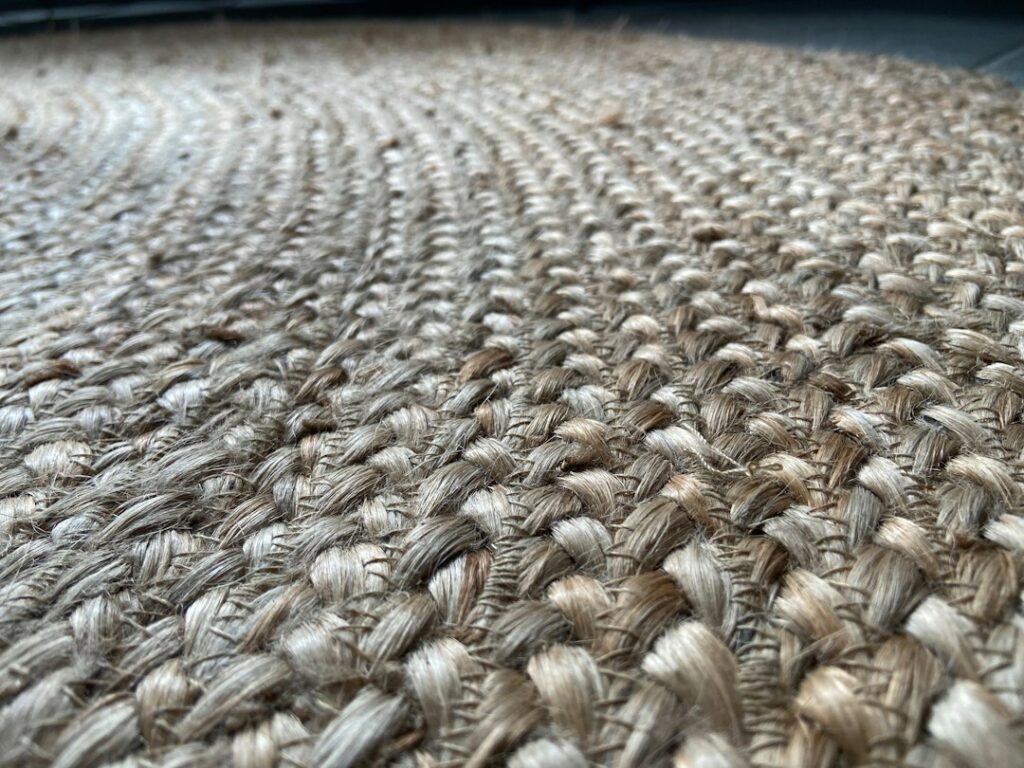
Sisal is one of the toughest natural fibers you can put underfoot, yet it is also one of the easiest to ruin with a single spilled glass of juice. That contradiction is exactly why a sisal stair runner needs more planning than a typical wool or synthetic runner. Get the weave, backing, and installation right, and you will have a textured, organic-looking staircase that shrugs off years of foot traffic. Get it wrong, and you may see water rings, loose edges, or a slippery nosing within months.
Part of our Stairs & Stair Flooring guide — explore the full guide →
- What Makes a Sisal Stair Runner Different
- Popular Weaves and How They Perform on Stairs
- Pros and Cons Before You Commit
- Sisal Stair Runner Cost Breakdown
- Measuring and Sizing Your Runner
- Padding and Installation Methods
- Cleaning and Caring for Sisal on Stairs
- Is a Sisal Runner Right for Your Stairs?
What Makes a Sisal Stair Runner Different
Sisal comes from the leaves of the Agave sisalana plant, grown mainly in Brazil, Tanzania, and Kenya. The fiber is stripped, dried, spun into yarn, and woven into flat, dense rugs and broadloom. Among natural floor coverings, sisal is the hardest wearing: it outlasts jute and seagrass in abrasion tests and holds its shape on stair nosings where a softer fiber would crush.
A sisal stair runner is simply a strip of that woven material, usually 27 to 36 inches wide, installed down the center of a staircase so the wood or painted treads show on each side. Most runners are cut from broadloom and then bound along the edges with cotton, linen, or leather-look tape, which gives a clean finished line and stops fraying.
The look is distinctly casual and architectural at once. It pairs well with white oak treads, painted risers, farmhouse and coastal interiors, and modern homes that lean on warm natural textures instead of pattern.
Popular Weaves and How They Perform on Stairs
Weave affects both appearance and how the runner behaves on a stair nose. Tight, low weaves bend cleanly over the edge; chunky weaves look rich but can gap or “smile” open where they wrap the nosing.
- Boucle: A small, tight looped weave. The most forgiving choice for stairs because it wraps nosings smoothly and hides dirt well.
- Herringbone: A zigzag pattern with more visual movement. Looks great, but align the pattern carefully so the chevrons run straight down the flight.
- Basketweave and panama: Larger, blocky squares. Attractive on straight runs; can open up a little on tight nosings.
- Tiger eye or diamond weaves: Decorative, often in two-tone yarns. Best for wide, shallow stairs rather than steep ones.
- Sisal-wool blends: Typically 60 to 80 percent sisal with wool added. Softer on bare feet and a bit more stain tolerant, at a higher price.
For a family staircase, a boucle or small herringbone in a natural or light gray color tends to age best. Very pale bleached sisal shows every scuff, while darker dyed sisal can fade unevenly near a sunny window.
Pros and Cons Before You Commit
Sisal has real strengths, and just as many honest drawbacks. Weigh them against how your stairs actually get used.
Advantages
- Very high abrasion resistance, often lasting 10 to 15 years on a moderately busy stair
- Natural, renewable, and biodegradable fiber with no petroleum-based pile
- Anti-static, and it does not trap as much fine dust as deep-pile carpet
- Crisp, tailored look that suits both traditional and modern treads
- Adds grip compared with bare finished hardwood when socks are involved
Disadvantages
- Absorbs liquids quickly; water can leave brown rings and can shrink or buckle the weave
- Rough texture that some people find scratchy on bare feet
- Can be slippery for stockinged feet on a steep stair if the nosing wrap is worn smooth
- Not ideal for homes with pets that have accidents or cats that like to claw
- Harder to clean deep stains than nylon or polyester runners
If you have toddlers with sippy cups or a dog still in training, a sisal-look polypropylene runner might be the smarter choice for now. It mimics the texture at a similar price but tolerates wet cleaning.
Sisal Stair Runner Cost Breakdown
Most runners are priced either per linear foot of bound material or per step installed. For a typical 13- to 14-step straight staircase, you need about 20 to 24 linear feet of runner, depending on tread depth and riser height.
| Item | Typical Price |
|---|---|
| Bound sisal runner material | $25 to $70 per linear foot |
| Sisal-wool blend runner | $60 to $120 per linear foot |
| Padding (per step) | $5 to $15 |
| Professional installation | $20 to $50 per step |
| Total installed, 14-step straight stair | $900 to $3,000 |
Landings, winder steps, and pie-shaped turns add labor because each one must be cut and seamed by hand. Expect $75 to $150 extra per winder. Decorative stair rods, if you want them, run $15 to $60 each for brass or matte black hardware.
Measuring and Sizing Your Runner
Good sizing starts with a consistent reveal, the strip of exposed wood on each side. A 3- to 4-inch reveal on each side is standard for a 36-inch wide stair, which puts the runner at 27 to 30 inches wide. Wider stairs, around 42 to 48 inches, often look better with a 32- to 36-inch runner.
To estimate length, measure one tread depth plus one riser height, including the full curve of the nosing, then multiply by the number of steps. A common result is 17 to 19 inches per step. Add 6 to 12 inches of extra for trimming and for tucking at the top and bottom, and add each landing separately.
Always measure every step individually on older homes. Settled houses often have risers that vary by a quarter inch or more from top to bottom, and a runner cut to an average can fall short on the tallest step.
Padding and Installation Methods
Padding matters more with sisal than with softer runners. A thin, dense pad, about 1/4 inch of felt or a firm rubber-and-jute pad, cushions the fibers and reduces wear at the nosing, which is where sisal typically fails first. Avoid thick, spongy foam; it lets the stiff sisal flex back and forth and eventually crack or loosen at the staples. Cut the pad to fit each tread and wrap it over the nose, stopping about 1 inch short of the runner’s edges so it stays hidden.
There are two main installation styles:
- Waterfall: The runner falls straight from the nose to the tread below, leaving a small gap behind it at the riser. Faster and cheaper, with a softer look.
- Hollywood (upholstered): The runner wraps tightly under the nose and is fastened into the riser, following the stair profile. More tailored and more secure, and generally better for sisal because it keeps the stiff weave locked in place.
Installers use a pneumatic stapler with 9/16-inch crown staples driven into the crease where the tread meets the riser, plus a staple line under the nosing for Hollywood installs. Some also use tackless strip on each tread, though staples alone are common for flat-woven runners. Keeping the weave square is the hardest part; a single step pulled 1/8 inch off line will make the whole run look crooked when you stand at the bottom.
Cleaning and Caring for Sisal on Stairs
Dry care is the rule. Vacuum weekly with suction only, turning off the beater bar or using a hand tool, since aggressive brushes can fuzz the fibers. For dry soil ground into the weave, a stiff brush followed by vacuuming works well.
Spills need immediate attention. Blot, do not rub, with a clean white cloth. For water-based stains, dab lightly with a barely damp cloth and dry the area quickly with a hair dryer on low heat or a fan. Never steam clean or shampoo a sisal runner; saturating the fiber causes shrinkage, browning, and stiffening. Most specialists sell dry extraction compounds, a powder you brush in and vacuum out, for periodic deep cleaning.
Applying a fiber protector at install time buys you a few extra seconds to blot a spill before it sinks in. Many suppliers offer this for $2 to $5 per square foot, and it is worth it on a stair that leads down to the kitchen.
Is a Sisal Runner Right for Your Stairs?
A sisal stair runner is a strong fit if your staircase sees steady adult traffic, you love natural textures, and you are comfortable with dry-only care. It is a weaker fit for homes with frequent spills, young pets, or residents who walk barefoot and want a soft feel. In those cases, a wool runner with a flat weave or a polypropylene sisal look-alike gives you a similar aesthetic with more forgiveness.
Before you buy, request a sample at least 12 by 12 inches and fold it over one of your actual nosings. Step on it in socks, rub it with a damp finger, and look at it in morning and evening light. Ten minutes of testing tells you more than any product photo, and it makes a sisal stair runner purchase feel like a sure thing rather than a gamble.