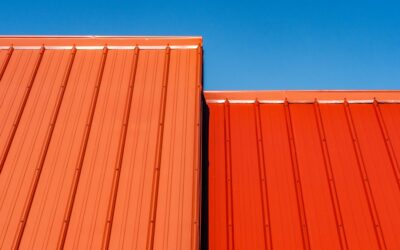
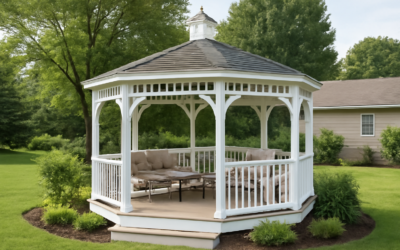
Roof shape decides how a gazebo handles rain, snow and wind far more than most shoppers realize. A slanted roof gazebo, often called a lean-to or single-slope design, sheds water in one direction and tucks neatly against a house wall or fence, which makes it a favorite for narrow patios and side yards. Flat tops look modern but need careful drainage, gable roofs shed snow well and add headroom, and double-tier vented roofs release heat and wind pressure. Picking the right shape means matching it to your climate and the spot where it will sit.
Part of our Roofing guide — explore the full guide →
If you want a quick recommendation: choose a slanted roof for wall-adjacent spaces and moderate climates, a gable or double-tier hip roof for snowy or stormy regions, and a flat top only if the model has a built-in slope and gutters to move water off. Corner designs work well for tight angles where two fences or walls meet.
- How a Slanted Roof Gazebo Compares to Other Roof Shapes
- Slanted or Lean-To Roofs
- Flat Roof and Flat Top Gazebos
- Gable Roof Gazebos
- Double Roof and Double-Tier Vented Designs
- Corner Gazebos With a Roof
- Headroom, Looks and Materials
- Choosing the Right Roof for Your Climate
- Installation and Anchoring Basics
- Troubleshooting Roof Problems
- Cost Ranges by Roof Style
- Frequently Asked Questions
How a Slanted Roof Gazebo Compares to Other Roof Shapes
Each roof style comes with tradeoffs. The table sums up the main differences before the detailed breakdown.
| Roof style | Rain and snow | Wind | Best spot |
|---|---|---|---|
| Slanted (lean-to) | Good one-way runoff | Moderate | Against a wall |
| Flat top | Weakest, can pool | Low profile | Modern patios |
| Gable | Strong shedding | Good when anchored | Open yards |
| Double-tier hip | Strong shedding | Best venting | Freestanding |
| Corner | Varies by pitch | Moderate | Yard corners |
Slanted or Lean-To Roofs
A single-slope roof drops from a high side to a low side, so rain runs off one edge where you can add a gutter and direct water away from the patio and foundation. Many models are designed to sit freestanding next to a wall, and some are made to attach directly to the house. Attaching anything to your home involves the wall framing and flashing, so follow the maker’s instructions closely and consider a pro.
Pitch matters. A shallow slope can still collect snow and debris, so look for a pitch steep enough to keep water moving. On the high side you gain generous headroom, while the low side can feel tight for tall guests. Plan furniture so seating sits under the taller section.
Wind behavior is moderate. Facing the high side into prevailing wind can create lift under the roof, so think about orientation, and anchor every post firmly to concrete or deck framing according to the maker.
Flat Roof and Flat Top Gazebos
A flat roof gazebo gives a clean, contemporary look that pairs well with modern homes and louvered pergola styles. The weakness is drainage. A completely flat surface lets water pool, which adds weight, stains panels and can leak at seams. Better flat top gazebo designs hide a slight slope and integrate gutters inside the posts to carry water down and out.
Snow is the bigger concern. Flat roofs hold snow instead of shedding it, so check the published snow load rating if you live where winters are heavy, and clear accumulation gently from the ground with a soft roof rake. Louvered aluminum flat tops let you close the slats for rain and open them to vent heat, though they still need clearing after storms.
Gable Roof Gazebos
A gable roof gazebo has two sloped sides meeting at a ridge, like a classic house roof. That pitch sheds rain and snow quickly in two directions and creates a tall, airy center that feels open. Gable designs are popular for outdoor kitchens and hot tub covers because the high ridge gives room for lighting and ceiling fans.
The open gable ends can catch wind if they face prevailing gusts, so solid anchoring matters. Wood gable gazebos often look the most traditional and can be customized, while steel versions come as kits.
Double Roof and Double-Tier Vented Designs
A double roof gazebo has a raised upper tier above the main roof with a gap between them. Hot air rises and escapes through that gap, which keeps the space cooler on summer afternoons. The vent also lets wind pass through instead of building pressure under the roof, which helps reduce uplift.
Most double-tier designs use a hip or pyramid shape with four sloping sides, which sheds rain and snow in every direction. For many freestanding backyard spots, a double-tier hardtop gazebo is a strong all-around choice that balances weather handling, airflow and a polished look. Expect them to cost a bit more than single-tier models of the same size.
Corner Gazebos With a Roof
A corner gazebo with roof is shaped to fit a right angle where two fences or walls meet. Some are pentagonal, others are triangular or L-shaped. They use space that is often wasted and can make a cozy reading nook or bar area. Roof pitch varies widely between models, so read the specs for snow shedding and confirm clearance from fences for maintenance and airflow. Keep at least a small gap between the roof edge and the fence so water does not drip onto the boards.
Headroom, Looks and Materials
Headroom changes how a gazebo feels once you are inside it. Pitched roofs such as gables and double-tier hips create a tall center that makes even a 10×10 footprint feel open, and they leave space for a hanging light or ceiling fan. Flat tops keep a low, sleek profile that suits modern homes but can feel boxy under a low beam. A slanted roof gazebo splits the difference, with a tall high side for standing room and a lower back edge that blends with a fence or wall.
Materials affect both weather performance and style. Galvanized steel roofs are strong and affordable but need intact coatings to prevent rust. Aluminum resists corrosion, which makes it a good match for coastal yards. Polycarbonate panels let soft light through and work well over dining areas, though cheaper panels can yellow. Wood frames with shingle or metal roofs look the most traditional and can match the trim on your house, but they need periodic sealing or staining to stay sound.
Think about the view from inside your home too. A single-slope roof seen from a kitchen window reads as a simple, clean line, while a double-tier hip roof becomes a focal point in the yard. Neither is better, but choosing deliberately helps the structure feel like part of the landscape.
Choosing the Right Roof for Your Climate
Start with your weather and site, then pick the look you like within those limits.
- Heavy snow: gable or double-tier hip roofs with a published snow load rating. Avoid flat designs unless rated for your area.
- Heavy rain: any pitched roof with gutters. A slanted roof gazebo with a gutter on the low edge directs water exactly where you want it.
- Strong wind: double-tier vented roofs with solid anchoring to concrete or footings.
- Hot sun: vented double roofs or louvered flat tops that release heat.
- Tight space: lean-to designs against a wall or corner models in yard corners.
Installation and Anchoring Basics
No roof shape protects against a gazebo that is not anchored. On concrete, use the anchors specified by the maker, often wedge anchors through the post base plates. On decks, fasten into the framing below, not just the surface boards. On soil, set posts on concrete footings below the frost line. Call 811 before digging so buried utilities are marked, and check whether your town or HOA requires a permit for permanent structures.
Raising roof panels is a two-person job at minimum. Use sturdy ladders on firm ground, wear gloves, and avoid installation on windy days when a loose panel can act like a sail.
Troubleshooting Roof Problems
Water dripping on seating. Add or clean gutters and check that downspouts direct water away from the slab.
Snow buildup on a flat or shallow roof. Clear gently from the ground and confirm the rating. Consider upgrading to a steeper design if it happens often.
Rattling panels in wind. Tighten roof fasteners and check that anchors have not loosened.
Heat buildup. Add a fan or choose a vented roof next time.
Cost Ranges by Roof Style
For a slanted roof gazebo or other single-slope design, kits and flat-top kits often fall in the low thousands for common sizes. Gable and double-tier hardtops tend to cost more because of extra materials and complexity. Louvered aluminum roofs sit at the higher end. Professional installation, concrete pads and footings add to the total, so budget for site prep along with the kit price.
Frequently Asked Questions
Is a slanted roof gazebo good for snow?
It can be if the pitch is steep enough and the roof has a published snow load rating that matches your area. Shallow slopes may hold snow, so clear heavy accumulations gently from the ground.
Do flat roof gazebos leak?
Completely flat roofs can pool water and leak at seams. Look for models with a hidden slope and built-in gutters, and keep the surface clear of leaves and snow.
What is the benefit of a double roof gazebo?
The gap between the tiers vents hot air and lets wind pass through, which keeps the space cooler and reduces uplift during gusty weather.
Can a slanted roof gazebo attach to my house?
Some models are designed to attach to a house wall. This involves framing and flashing, so follow the instructions exactly and consider hiring a pro, plus check permit requirements.
Which gazebo roof style handles wind best?
Double-tier vented hip roofs generally handle wind best, but any gazebo needs secure anchoring to concrete, deck framing or footings to stay put.