
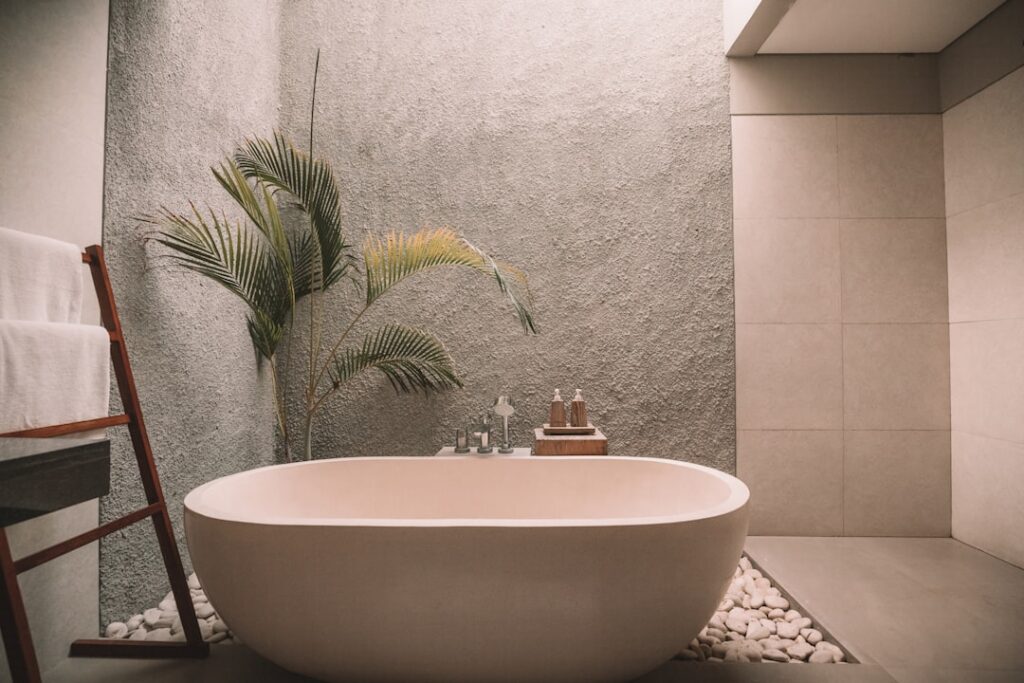
Few design trends have taken over modern bathrooms as quickly as vertical wood slats, and for good reason. A slat wall bathroom adds warmth, texture, and a spa-like sense of calm that flat painted drywall simply cannot match. Those rhythmic vertical lines draw the eye upward, making ceilings feel taller and small bathrooms feel more deliberate and luxurious. The look is striking, but a bathroom is a demanding environment, so choosing the right materials and installing them correctly matters more here than almost anywhere else in the house.
Part of our Bathroom Remodeling & Flooring guide — explore the full guide →
This guide covers the materials that hold up to moisture, the best places to use slat walls, what they cost, and how to install them so they last.
What Is a Slat Wall
A slat wall is a surface clad in evenly spaced vertical strips, usually mounted on a backing panel or directly to the wall framing. The slats can be solid wood, composite, MDF, or specially engineered acoustic panels that combine wood-look slats over a felt backing. The defining feature is the repeating ridge-and-groove pattern that creates depth and shadow lines across the wall.
In a bathroom, that texture does more than look good. It hides minor wall imperfections and adds visual interest to what is often a plain, utilitarian room.
Choosing Moisture-Resistant Materials
This is the most important decision, because bathrooms combine humidity, splashing, and temperature swings that punish the wrong material. Standard MDF and untreated softwood can swell, warp, and grow mildew if they get repeatedly wet.
- PVC or composite slat panels: Fully waterproof and the safest choice for damp zones. They mimic wood convincingly and wipe clean easily.
- Teak or other naturally water-resistant woods: Beautiful and durable, long used in showers and saunas, but pricier.
- Sealed hardwood: Works on dry walls away from direct water if properly finished with a marine-grade or polyurethane sealer.
- Acoustic felt-backed panels: Best reserved for low-moisture areas, since the felt can hold dampness.
Where to Use Slat Walls in a Bathroom
Not every wall is a good candidate. The smartest approach is to treat slats as an accent rather than wrapping the entire room. A single feature wall behind the vanity or toilet delivers maximum impact with minimal risk, since those areas stay relatively dry.
Avoid placing absorbent slat materials directly inside the shower or tub surround unless they are fully waterproof, like PVC or sealed teak. The wall opposite the shower, the area behind a freestanding tub, or a half-height wainscot band are all popular, lower-risk locations that still deliver the look.
What a Slat Wall Costs
Pricing depends heavily on the material. Prefabricated slat panels, which are the easiest DIY option, generally run from $10 to $30 per square foot for the panels themselves, with PVC and budget MDF at the low end and solid hardwood at the top. Building a slat wall from individual wood strips can cost less in materials but takes far more labor.
For a typical 40-square-foot accent wall, plan on a few hundred dollars in materials for a DIY job, more if you hire a carpenter. Factor in the cost of furring strips, fasteners, sealer, and any trim to finish the edges cleanly.
Installing a Slat Wall
The work is well within reach of a confident DIYer, especially with prefabricated panels.
- Start with a clean, dry, level wall and locate the studs.
- For solid-strip walls, attach vertical or horizontal furring strips to create an even mounting surface and a small air gap.
- Cut panels or slats to height, accounting for any outlets, switches, or fixtures.
- Fasten panels with construction adhesive plus finishing nails or screws into the studs.
- Seal all exposed wood thoroughly, and caulk the perimeter to keep moisture from getting behind the panels.
Take your time spacing the slats evenly; the clean, consistent rhythm is what makes the wall look professional.
Ventilation and Maintenance
Good airflow is non-negotiable in a bathroom with wood or wood-look slats. Run an exhaust fan during and after showers to pull humidity out before it can settle into the grooves. The deep channels between slats can trap dust and moisture, so wipe them down periodically with a soft, slightly damp cloth.
For sealed wood, reapply a fresh coat of finish every couple of years to keep the protective barrier intact. PVC and composite panels need almost no upkeep beyond an occasional wipe.
Color and Finish Choices
The color of your slats sets the entire mood of the room. Warm natural wood tones like white oak, walnut, and teak create the cozy, spa-like feel most people are after, pairing beautifully with white fixtures and neutral tile. Lighter woods make a small bathroom feel brighter and more open, while darker stains add drama and contrast against pale walls.
Painted slats are an option too, and they let you match the wall to a specific palette. Deep charcoal or black slats read modern and bold, while soft greens and muted blues lean spa-inspired. Whatever color you choose, pay attention to the sheen of the finish. A matte or satin finish hides water spots and fingerprints far better than high gloss, which shows every droplet in a humid bathroom.
Pairing Slat Walls With Other Materials
Slat walls look their best when they play off the surrounding finishes rather than competing with them. Keep the rest of the room relatively simple so the textured wall stays the star of the space. Pair warm wood slats with cool stone or large-format porcelain tile for a balanced contrast, or let them complement matte black fixtures and hardware for a contemporary look.
Lighting deserves attention as well. Placing a light source to graze across the slats, such as a sconce mounted to the side or a strip of LED behind a floating vanity, emphasizes the texture and casts gentle shadows that make the wall feel rich and intentional. Avoid washing the wall in flat, head-on light, which flattens the very depth that makes a slat wall special.
Is a Slat Wall Right for Your Bathroom
If you want to add warmth and a high-end, modern feel without a full remodel, a slat wall bathroom is a rewarding project. The keys to success are choosing a moisture-appropriate material, limiting absorbent slats to drier zones, sealing everything well, and keeping the room ventilated. Done right, the result is a textured feature wall that transforms an ordinary bathroom into a space that feels custom and calm.


