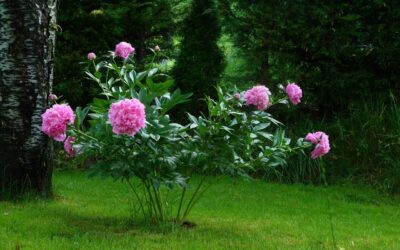
That shady corner where grass won’t grow and full-sun plants sulk is actually prime real estate for some of the most beautiful, low-maintenance plants in the garden. Choosing the right small shrubs for partial shade lets you fill foundation beds, borders, and woodland edges with color and structure without fighting nature. Partial shade, usually meaning three to six hours of sun, often dappled or limited to morning, suits a surprising range of compact shrubs. Here are dependable choices and how to keep them thriving.
- Understanding Partial Shade
- Boxwood: The Reliable Evergreen
- Hydrangea: Shade-Loving Blooms
- Azalea and Rhododendron: Spring Color
- More Great Small Shrubs for Part Shade
- Soil and Planting Basics
- Watering, Mulch, and Care
- Designing With Shade Shrubs
- Container Growing in Shade
- Common Mistakes to Avoid
- Final Thoughts
Understanding Partial Shade
First, know what you’re working with. Partial shade generally means an area that receives roughly three to six hours of direct sun per day, or filtered light through tree canopy for much of the day. There’s a meaningful difference between morning sun with afternoon shade, which most shade shrubs love, and hot afternoon sun with morning shade, which can stress them. When in doubt, plants that tolerate part shade usually prefer the gentler morning light. Observe your spot across a day before planting so you match the shrub to the conditions.
Boxwood: The Reliable Evergreen
Boxwood is a classic for good reason. This dense evergreen tolerates partial shade well, holds its rich green color year-round, and takes shearing beautifully, making it ideal for low hedges, edging, and formal structure. Compact varieties stay small and tidy with minimal effort. Boxwood prefers well-drained soil and benefits from a layer of mulch to keep roots cool. It’s slow-growing, so buy the size you want or be patient, and watch for boxwood blight in humid regions by ensuring good air circulation.
Hydrangea: Shade-Loving Blooms
For flower power in part shade, hydrangeas are hard to beat. Many types, particularly bigleaf and oakleaf hydrangeas, perform best with morning sun and afternoon shade, rewarding you with big, showy blooms through summer. Compact and dwarf hydrangea varieties fit smaller spaces and containers.
Hydrangeas like rich, moist, well-drained soil and consistent watering, since they wilt quickly when dry. With bigleaf types, soil pH can even influence flower color, with acidic soil pushing blue and alkaline soil pushing pink. Prune at the right time for your variety, since some bloom on old wood and some on new.
Azalea and Rhododendron: Spring Color
Azaleas, members of the rhododendron family, are woodland natives that thrive in dappled or partial shade and burst into vivid spring color. Dwarf and compact azalea varieties stay small, making them perfect for foundation plantings and shady borders. They demand acidic, well-drained soil rich in organic matter, so amend with compost or pine bark and keep them mulched. Too much sun scorches the leaves, while deep shade reduces blooming, so that part-shade sweet spot is exactly right.
More Great Small Shrubs for Part Shade
Beyond the headliners, several other compact shrubs shine in partial shade:
- Japanese pieris (andromeda): Evergreen with cascading early-spring flowers and colorful new growth; loves acidic, moist soil.
- Dwarf fothergilla: Native shrub with bottlebrush spring flowers and outstanding fall color, happy in part shade.
- Mahonia: Evergreen with holly-like leaves and yellow winter blooms; tolerant of shade.
- Inkberry holly: A native evergreen holly that handles shade and damp soil, great for low hedges.
- Hydrangea-relative deutzia and dwarf spirea: Compact, flowering, and forgiving in light shade.
- Leucothoe: Arching evergreen with graceful foliage that thrives in shady, moist spots.
Soil and Planting Basics
Most shade-loving shrubs share a preference for rich, well-drained, organically amended soil. Before planting, work compost or leaf mold into the bed to improve fertility and moisture retention, mimicking the woodland floor many of these plants come from. Acid-loving shrubs like azaleas, pieris, and many hydrangeas appreciate soil on the acidic side. Dig the planting hole as deep as the root ball and twice as wide, set the shrub at the same depth it grew in the pot, backfill, and water in well.
Watering, Mulch, and Care
Newly planted shrubs need consistent moisture through their first year or two while roots establish, especially during dry spells. Apply a two- to three-inch layer of mulch around each shrub to conserve water and keep roots cool, but keep it pulled back from the stems to prevent rot. Once established, many of these shrubs are quite low-maintenance.
Feed lightly in spring with a fertilizer suited to the plant, an acid formula for azaleas and the like, and prune at the appropriate time for each species to maintain shape and encourage blooms. Watch for pests and ensure good airflow to prevent the fungal issues that can crop up in shadier, more humid spots.
Designing With Shade Shrubs
Combine evergreens and flowering shrubs for year-round interest. Use boxwood, holly, or pieris for structure that holds through winter, then layer in hydrangeas, azaleas, and fothergilla for seasonal color. Vary heights and textures, and underplant with shade perennials like hostas, ferns, and heucheras to complete the picture. Grouping plants with similar light and soil needs makes care easier and the bed more cohesive.
Container Growing in Shade
Many of these compact shrubs adapt well to pots, which is useful for shady patios, porches, and balconies where there’s no garden bed. Boxwood, dwarf hydrangea, pieris, and small azaleas all grow happily in containers given the right care. Choose a pot with drainage holes and a quality potting mix, using an acidic blend for acid-loving shrubs like azaleas and pieris.
Container plants dry out faster than those in the ground, so monitor moisture closely, especially in summer. Potted shrubs are also more exposed to temperature swings at the roots, so in cold climates move pots to a sheltered spot or insulate them over winter. Repot or root-prune every few years as the shrub fills its container to keep it healthy and proportioned.
Common Mistakes to Avoid
A few errors trip up gardeners with shade shrubs. The most common is misjudging the light, planting a part-shade shrub in deep shade where it won’t bloom, or in hot afternoon sun where it scorches. Another is poor drainage; many shade lovers hate wet feet, and soggy soil leads to root rot. Overwatering established plants and burying the crown under mulch are frequent culprits behind sudden decline.
Skipping soil amendment is another misstep, since most of these shrubs want rich, organic soil rather than heavy clay or poor builder’s dirt. Take the time to improve the bed before planting, match each shrub to its preferred light and moisture, and you’ll avoid the disappointments that send beginners back to the nursery.
Final Thoughts
Picking the right small shrubs for partial shade turns a problem area into one of the most rewarding parts of your landscape. Reliable choices like boxwood, hydrangea, and azalea, along with pieris, fothergilla, and inkberry holly, give you structure, blooms, and four-season interest with modest effort. Match each shrub to your light and soil, water well while they establish, and mulch to keep roots happy. Your shady spot will soon be the lushest corner of the yard.