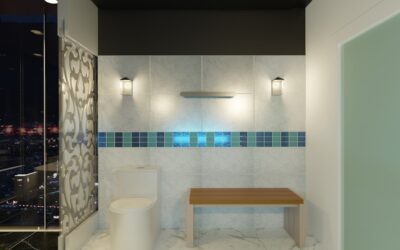
A cramped bathroom does not have to mean a cramped shower experience. The smartest small stand up shower ideas use glass, light, and clever layout to make a compact stall feel open and luxurious rather than boxed in. Whether you are working with a 32-by-32-inch corner or a narrow alcove, the right design choices can visually double the space and add storage you did not think you had room for. Here is how to get a small shower that looks intentional, functions well, and makes the whole bathroom feel larger.
Part of our Bathroom Remodeling & Flooring guide — explore the full guide →
- Go Frameless and Clear With the Glass
- Choose Tile That Expands the Space
- Build In Smart Storage
- Pick the Right Layout
- Maximize Light, Real and Artificial
- Add Spa Touches Without Crowding
- Color, Contrast, and Finishing Details
- Bringing It All Together
- Maximizing a Tiny Footprint With Smart Fixtures
- Maintenance and Keeping a Small Shower Looking New
Go Frameless and Clear With the Glass
The single biggest move in a small shower is the enclosure. Swap a framed glass door or, worse, an opaque curtain, for a frameless clear-glass panel. Clear glass lets the eye travel straight through the shower to the back wall, so the bathroom reads as one continuous space instead of a series of small boxes.
A frameless panel eliminates the chunky metal frame that visually chops up the room. If a full door feels tight, a fixed glass panel with a walk-in opening, sometimes called a walk-in or doorless shower, opens the space even further and is easier to clean.
Choose Tile That Expands the Space
Tile choices have an outsized effect on perceived size in a small shower. A few tactics consistently make a stall feel bigger:
- Large-format tile: fewer grout lines create a clean, uninterrupted surface that feels expansive.
- Light, neutral colors: white, soft gray, and pale stone reflect light and recede visually.
- Vertical layouts: stacked or vertically-set tile draws the eye upward and exaggerates ceiling height.
- Continuous tile from floor to wall: running the same tile across the bathroom floor and into the shower removes a visual break.
- Glossy or polished finishes: reflective surfaces bounce light around the small space.
Save bold patterns and dark tones for a single accent wall or the shower floor, where they add interest without shrinking the room.
Build In Smart Storage
Storage is the trickiest part of a small shower, but you can find room without stealing floor space. A built-in recessed niche set into the wall holds bottles without protruding, and it looks far cleaner than a hanging caddy. Frame the niche with the accent tile to make it a design feature.
Other space-savvy options include a corner shelf set into the tile, a slim built-in bench that doubles as a shaving ledge, and recessed shampoo shelves at multiple heights. The goal is storage that sits within the wall plane so nothing juts into the already-tight footprint.
Pick the Right Layout
The shape of the stall should match the room. Different small-bathroom layouts call for different shower configurations.
- Corner shower: a neo-angle or square corner unit tucks the shower out of the main floor area, ideal for the tightest baths.
- Alcove shower: a shower set into a three-wall recess uses an awkward nook efficiently.
- Walk-in wet zone: a curbless, glass-paneled area where the shower blends into the room, great for an open, modern feel.
A curbless or low-threshold entry not only looks sleek but makes the floor feel continuous and is far more accessible for aging in place.
Maximize Light, Real and Artificial
Light makes a small shower feel airy. If you have a window, keep it in the shower zone where code allows and use frosted or textured glass for privacy without sacrificing daylight. Where natural light is scarce, recessed LED downlights inside the shower brighten the stall and prevent the dim, cave-like feeling that plagues small enclosures.
A glass enclosure helps here too, letting whatever light exists in the bathroom flow into the shower instead of being blocked by a curtain or opaque wall.
Add Spa Touches Without Crowding
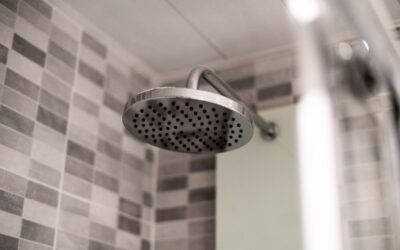
Small does not mean basic. You can build in a few luxury features that do not eat space. A rainfall showerhead mounted overhead frees the walls and feels indulgent. A handheld sprayer on a slide bar adds flexibility for cleaning and rinsing. A built-in foot ledge makes shaving easier without a full bench.
Keep fixtures in a consistent finish, matte black, brushed nickel, or chrome, for a cohesive, designed look. Coordinated hardware reads as intentional and high-end even in a tiny stall.
Color, Contrast, and Finishing Details
Final details pull the design together. A single accent stripe of mosaic or a contrasting niche back adds personality without overwhelming the space. Matching the grout color closely to the tile minimizes busy lines, while a contrasting grout can highlight a pattern if that is the goal.
Keep the floor tile slip-resistant, with a DCOF rating of 0.42 or higher, and consider a small mosaic or pebble floor for grip and a spa feel. A linear drain along one wall allows a single-direction slope and a cleaner large-tile floor than a center drain.
Bringing It All Together
Maximizing a Tiny Footprint With Smart Fixtures
When every inch counts, the fixtures you choose can reclaim usable space. A wall-mounted or recessed shower control frees the standing area, and a fold-down teak seat tucks flat against the wall when not in use, giving you a bench without permanently occupying the floor. Corner-mounted shelving and slim-profile fixtures keep the central space open.
Consider a sliding or pivot glass door rather than a swing door, which needs clearance to open into the bathroom. A pocket-style or bi-fold door, or simply a fixed walk-in panel, eliminates that swing entirely. Even the showerhead matters: a slim ceiling-mounted rainfall head keeps the walls clear, while a wall-mounted handheld on a slide bar adds function without bulk. Each of these choices buys back a little room and makes the stall feel less confined.
Maintenance and Keeping a Small Shower Looking New
Small showers show grime fast because everything is close and constantly wet, so easy-clean choices pay off daily. Larger tiles mean fewer grout lines to scrub, and a quality grout sealer applied yearly keeps joints from staining and harboring mildew. A frameless glass panel with a water-repellent coating sheds water and resists hard-water spots far better than framed, untreated glass.
Build a quick routine: keep a squeegee in the shower and pass it over the glass and tile after each use to prevent buildup, and run the bathroom exhaust fan during and after showering to control the moisture that breeds mold in tight spaces. A weekly wipe-down with a pH-neutral cleaner keeps the stall sparkling. In a small shower, that little bit of upkeep goes a long way, since there is simply less surface to maintain than in a large enclosure, and a clean, bright stall always reads as bigger than a grimy one.
With clear frameless glass, light large-format tile, recessed storage, and good lighting, even a 9-square-foot stall can feel open and upscale. The throughline across all these small stand up shower ideas is the same: reduce visual barriers, reflect light, and build storage into the walls rather than onto the floor. Apply those principles and your small shower will look and feel far bigger than its square footage suggests.